













































- Industrial display
-
Industrial Products
- DC Servo Drive
- AC Servo Drive
- Industrial board
- Siemens
- Switch Sensor
- Proximity Switch
- Temperature Controller
- Protection Relay
- Fiber Optic Sensor
- Encoder
- Fan
- other
- Heidelberg
- MITSUBISHI
- FANUC
- Siemens adapter
- Fujitsu connector
- Motherboard
- Board
- Contactor
- Circuit
- OMRON
- Relay
- Motor Driver
- power supply
- Cable
- Transformer
- HMI Touch Glass
-
HMI Full Machine Whole unit
- OMRON HMI Touch Panel
- Siemens HMI Touch Panel
- Mitsubishi HMI Touch Panel
- Allen-Bradley automation HMI Touch Panel
- DELTA HMI Touch Panel
- Proface HMI Touch Panel
- KINCO DELTA HMI Touch Panel
- HITECH HMI Touch Panel
- WEINTEK HMI Touch Panel
- TECVIEW HMI Touch Panel
- WEINVIEW HMI Touch Panel
- PANASONIC HMI Touch Panel
- KYOCERA HMI Touch Panel
- SCHNEIDER HMI Touch Panel
- Module
- lcd inverter
- Membrane Keypad Switch
- Zhiyan Customized Touch Screens
- Frequency Inverter
- Servo Motor
- PLC
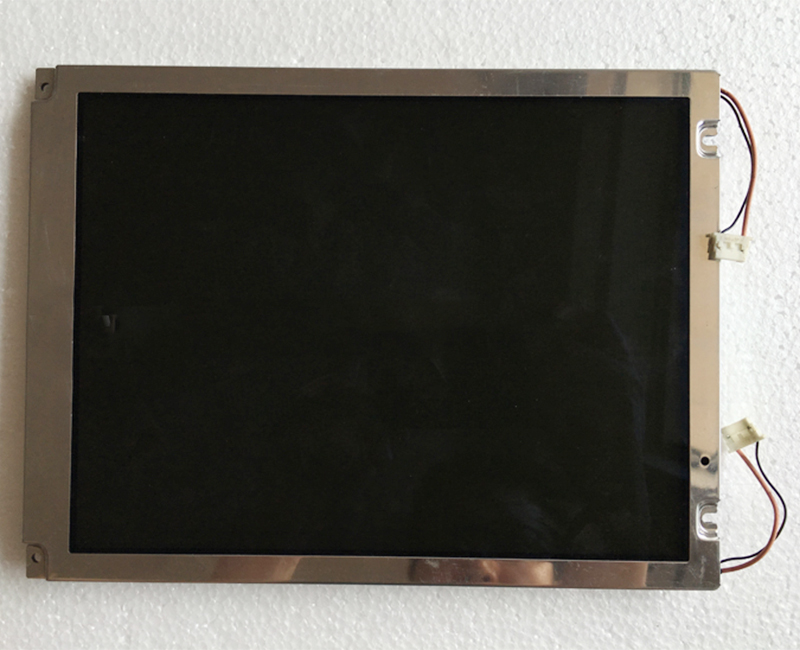
In the intricate world of industrial automation and specialized display solutions, the precise identification and compatibility of components are paramount. The AA104VB05 10.4" LCD panel stands as a critical part designed for integration into Mitsubishi's robust ecosystem of Human Machine Interfaces (HMIs), programmable logic controller (PLC) terminals, and other industrial control systems. This panel is not a consumer-grade monitor but a dedicated industrial component, engineered for reliability, longevity, and performance in demanding environments.
This article delves into a comprehensive exploration of the AA104VB05. We will move beyond a simple specification sheet to understand its technical architecture, its pivotal role within Mitsubishi systems, and the critical factors that define its application. From its core display technology and interface protocols to its environmental durability and the nuanced process of sourcing and replacing it, this guide aims to provide technicians, system integrators, and procurement specialists with the deep, actionable knowledge required to effectively work with this essential industrial display component.
Technical Anatomy of the AA104VB05 Panel
The AA104VB05 is fundamentally a 10.4-inch diagonal Liquid Crystal Display module. Its core specification is an XGA resolution of 1024 x 768 pixels, adhering to a 4:3 aspect ratio. This format was historically standard for industrial monitors and remains prevalent in legacy and current systems where screen real estate for data visualization and control buttons is crucial. The panel typically utilizes a high-performance a-Si TFT (Thin-Film Transistor) active matrix, which provides stable image quality and good response characteristics.
Beyond the screen itself, the module incorporates a CCFL (Cold Cathode Fluorescent Lamp) backlighting system. While newer panels use LED backlights, CCFL was the industry standard for years, offering bright, even illumination suitable for factory floors. The panel's internal driver board is configured to accept specific LVDS (Low-Voltage Differential Signaling) video signals. Understanding this interface is critical, as it defines the electrical and data protocol connection between the panel and the controller board of the Mitsubishi unit it serves, forming the foundation of the video pipeline.
Integration within Mitsubishi's Industrial Ecosystem
This LCD panel is not a standalone product but a designated spare or replacement part for specific Mitsubishi HMI and terminal models. It is engineered to be a direct drop-in component for units such as the Mitsubishi GOT1000 series (like the GT15, GT11, or GT10 models) or certain older A900GOT terminals. Its value lies in its guaranteed mechanical, electrical, and optical compatibility.
The integration is seamless by design. The panel's physical dimensions, mounting hole patterns, and bezel cutouts are precisely matched to the HMI's chassis. Electrically, the LVDS pinout, voltage requirements, and backlight inverter connections are tailored to Mitsubishi's controller boards. This ensures that when a display fails due to backlight degradation, screen damage, or internal faults, the AA104VB05 can restore the entire HMI to full functionality without requiring costly system replacement, thereby minimizing downtime in critical operations.
Key Performance and Environmental Specifications
The AA104VB05 is built for industrial rigor. Its performance metrics are tailored for readability and reliability in challenging settings. A high brightness rating, often around 400-450 nits, ensures the display remains visible under strong ambient lighting common in factories or outdoor installations. The contrast ratio provides clear differentiation between on-screen elements.
Environmental specifications are where its industrial pedigree shines. The panel is designed to operate reliably across a wide temperature range, typically from 0°C to 50°C or better. It can withstand significant levels of vibration and shock, protecting the delicate internal components from the constant hum and occasional impacts of machinery. Furthermore, the front surface often includes a hardened coating or is designed to mate with a protective overlay, offering resistance to scratches, chemicals, and dust ingress, which are ever-present threats in industrial environments.
The Critical Role of Compatibility and Verification
When sourcing a replacement AA104VB05, verifying compatibility is the single most important step. Using an incompatible panel can lead to no display, distorted images, or even damage to the HMI's controller. The first check is the exact part number. Variations in the suffix (e.g., AA104VB05-XXX) can indicate differences in brightness, connector type, or revision.
The second check involves the physical and electrical interface. This includes the number of LVDS pairs (single or dual-channel), the connector type (e.g., 20-pin, 30-pin), and the pin assignment. The backlight connector (typically a 2-pin or 4-pin for CCFL) must also match. Technicians should always cross-reference the replacement panel's datasheet with the original HMI's service manual or the faulty panel's markings. Purchasing from reputable suppliers who provide this technical data is essential.
Sourcing, Authentication, and Supply Chain Considerations
The market for industrial replacement parts like the AA104VB05 is complex, featuring original equipment manufacturer (OEM) parts, certified aftermarket equivalents, and lower-grade clones. Sourcing from authorized Mitsubishi distributors or highly reputable industrial parts specialists is recommended to guarantee authenticity. These suppliers ensure the panel meets all original specifications and often provide a warranty.
Given that this model may be considered a legacy part as newer HMIs transition to LED-backlit panels, supply can fluctuate. Lead times may vary. This reality underscores the importance of proactive maintenance and having a trusted supplier relationship. Beware of prices that seem too good to be true, as they may indicate used, refurbished without proper calibration, or counterfeit parts that risk premature failure and operational hazards.
Installation Guidelines and Best Practices
Successful replacement requires careful procedure. Always disconnect power from the HMI unit before beginning. The process generally involves removing the HMI's front bezel, disconnecting the LVDS and backlight cables from the old panel, unscrewing it from the metal frame, and reversing the steps with the new AA104VB05. Handle the panel only by its edges to avoid pressure on the screen and static discharge.
Pay meticulous attention to cable connections. The LVDS cable is fragile; ensure it is seated squarely and locked if a latch exists. Avoid pinching any cables during reassembly. Once installed, power on the system and test the display across its full brightness range and with various test patterns to check for uniformity, dead pixels, and backlight function. Proper installation secures the investment and restores the HMI's critical interface for years of continued service.
Frequently Asked Questions (FAQs)
Q1: What Mitsubishi HMI models use the AA104VB05 panel?A1: It is commonly used in Mitsubishi GOT1000 series models like GT15, GT11, and GT10, as well as some older A900GOT terminals.
Q2: Is the AA104VB05 an LED or CCFL backlight panel?A2: It is a CCFL (Cold Cathode Fluorescent Lamp) backlight panel, which was the standard for its production era.
Q3: What is the screen resolution of this panel?A3: The resolution is XGA (1024 x 768 pixels) with a 4:3 aspect ratio.
Q4: Can I use a different 10.4-inch panel as a replacement?A4: Not reliably. You must match the exact interface (LVDS pinout), voltage, connector type, and physical dimensions for compatibility.
Q5: How do I know if my AA104VB05 panel is failing?A5: Common signs include a dim or flickering backlight, horizontal/vertical lines, discoloration, a completely blank screen (with power indicator on), or physical cracks.
Q6: Is it difficult to replace this panel myself?A6: For a skilled technician, it's a straightforward swap. It requires careful disassembly, anti-static precautions, and attention to cable connections. If unsure, seek professional service.
Q7: Where is the best place to buy a genuine AA104VB05?A7: Purchase from authorized Mitsubishi distributors or established, reputable industrial electronic parts suppliers who provide technical datasheets and warranties.
Q8: Why is this panel sometimes more expensive than consumer monitors?A8: The cost reflects industrial-grade components, rigorous manufacturing for durability, specialized interfaces, and lower-volume production compared to mass-market consumer goods.
Q9: Can the CCFL backlight be replaced separately?A9: Technically yes, but it's a delicate and hazardous process involving high voltage. For most, replacing the entire panel module is safer and more efficient.
Q10: Is there a direct LED-backlit upgrade for this panel?A10: There is no direct "drop-in" LED upgrade with the same part number. Upgrading usually requires a different panel model with a compatible interface or replacing the entire HMI unit with a newer model.
Conclusion
The AA104VB05 10.4" LCD panel is far more than a simple screen; it is a vital, engineered component that breathes visual life into Mitsubishi's industrial control interfaces. Its value is defined by its precise technical specifications, guaranteed compatibility, and rugged construction designed to thrive where standard displays would fail. Understanding its role within the system, its performance characteristics, and the critical nuances of sourcing and installation is essential for maintaining operational continuity.
In the landscape of industrial maintenance, knowledge of specific components like the AA104VB05 empowers professionals to make informed decisions, execute efficient repairs, and ensure the longevity of critical machinery interfaces. By prioritizing authenticity, verifying compatibility, and adhering to best practices, technicians can effectively manage this legacy technology, safeguarding productivity and investment in Mitsubishi automation systems for the long term.





