













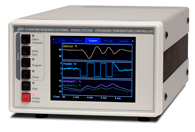
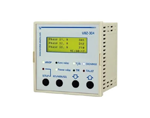

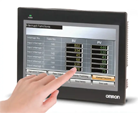
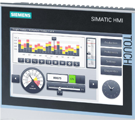

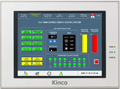
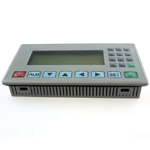




- Industrial display
-
Industrial Products
- DC Servo Drive
- AC Servo Drive
- Industrial board
- Siemens
- Switch Sensor
- Proximity Switch
- Temperature Controller
- Protection Relay
- Fiber Optic Sensor
- Encoder
- Fan
- other
- Heidelberg
- MITSUBISHI
- FANUC
- Siemens adapter
- Fujitsu connector
- Motherboard
- Board
- Contactor
- Circuit
- OMRON
- Relay
- Motor Driver
- power supply
- Cable
- Transformer
- HMI Touch Glass
-
HMI Full Machine Whole unit
- OMRON HMI Touch Panel
- Siemens HMI Touch Panel
- Mitsubishi HMI Touch Panel
- Allen-Bradley automation HMI Touch Panel
- DELTA HMI Touch Panel
- Proface HMI Touch Panel
- KINCO DELTA HMI Touch Panel
- HITECH HMI Touch Panel
- WEINTEK HMI Touch Panel
- TECVIEW HMI Touch Panel
- WEINVIEW HMI Touch Panel
- PANASONIC HMI Touch Panel
- KYOCERA HMI Touch Panel
- SCHNEIDER HMI Touch Panel
- Module
- lcd inverter
- Membrane Keypad Switch
- Zhiyan Customized Touch Screens
- Frequency Inverter
- Servo Motor
- PLC
In the intricate world of electronic components, the display panel serves as the critical interface between user and device, defining the visual experience. Among the myriad of options available to engineers and procurement specialists, the G101UAN01.0 stands out as a specific and compelling solution. This 10.1-inch LCD panel, manufactured by AU Optronics (AUO), represents a mature yet highly relevant technology designed for applications where reliability, performance, and cost-effectiveness are paramount.
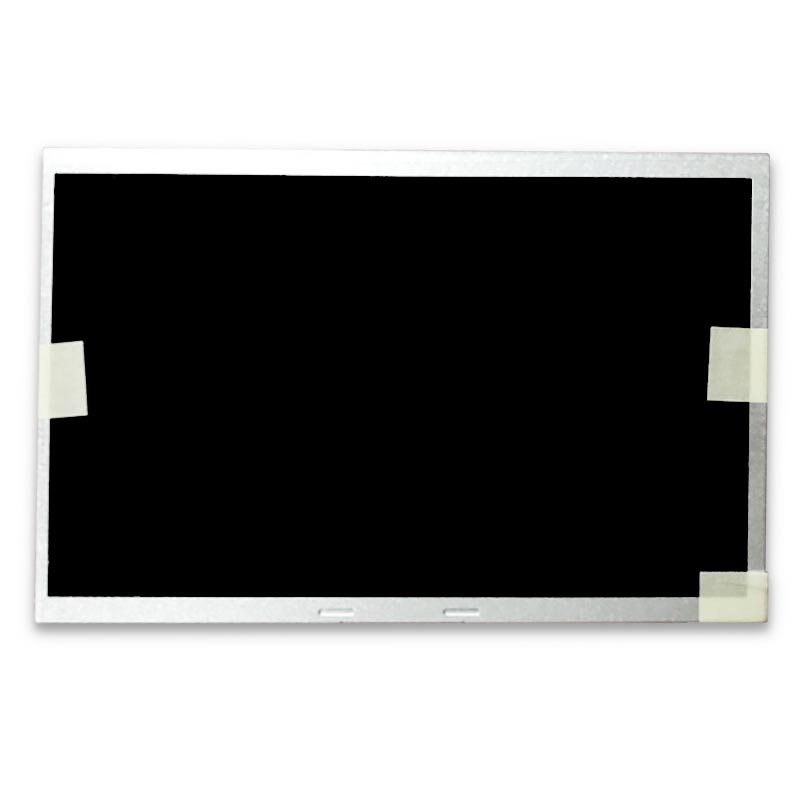
This article provides a comprehensive, in-depth analysis of the G101UAN01.0 display module. We will move beyond basic datasheet specifications to explore its underlying technology, key performance characteristics, and the nuanced factors that dictate its suitability for various industrial and commercial projects. From its interface protocols to its environmental robustness, we aim to equip designers, integrators, and sourcing professionals with the detailed knowledge necessary to make informed decisions regarding this particular panel and its role within a broader system architecture.
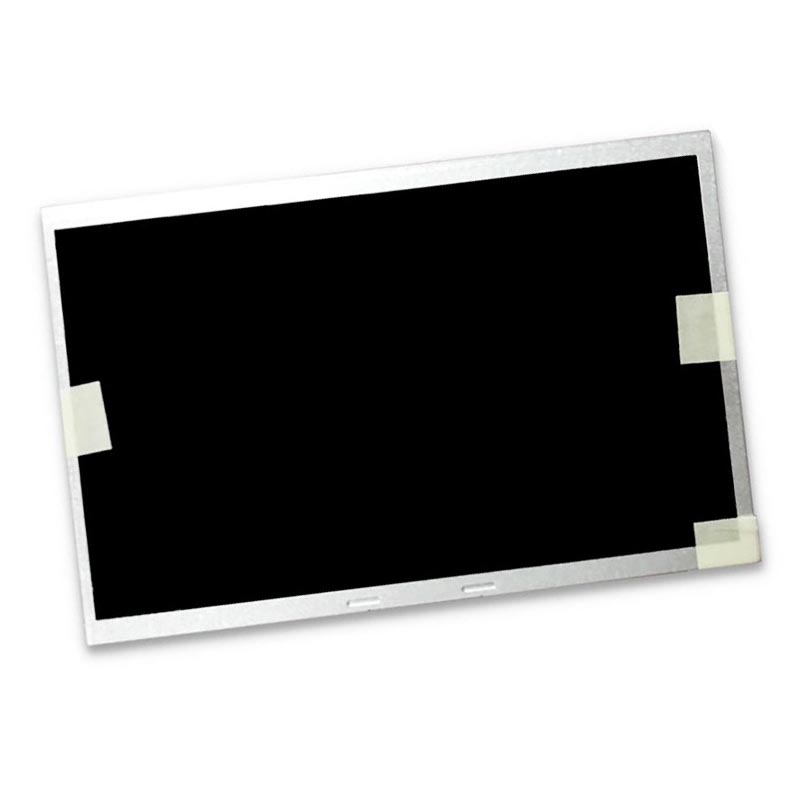
Understanding the Core Technology: TFT-LCD and the AUO Advantage
The G101UAN01.0 is built on a mainstream Thin-Film Transistor Liquid Crystal Display (TFT-LCD) platform. This technology utilizes a matrix of tiny transistors—one for each sub-pixel—to precisely control the alignment of liquid crystals, thereby manipulating light from a backlight to create images. Its 10.1-inch diagonal, with a resolution of 1280x800 pixels (WXGA), offers a balanced pixel density suitable for a wide range of applications from industrial HMIs to portable medical devices.
AUO's expertise is embedded in the panel's construction. The module likely incorporates AUO's proprietary advancements in cell design and manufacturing processes, which enhance production yield and consistency. This results in a panel known for its uniform brightness, consistent color reproduction across the surface, and minimized visual defects. Understanding this foundational TFT-LCD technology is crucial, as it sets the baseline for the panel's performance characteristics, limitations, and advantages over newer but often more expensive technologies like IPS or OLED for specific use cases.
Detailed Performance Specifications and Visual Characteristics
Delving into the specifications reveals the panel's operational profile. Key parameters include a standard brightness level (typically around 300-400 nits), a contrast ratio that defines depth between blacks and whites, and specific color gamut coverage (often around 45-50% NTSC). The viewing angles, typically defined in the datasheet as CR>10, are a critical differentiator; this panel likely offers adequate horizontal and vertical viewing angles for most fixed-orientation applications.
Furthermore, the response time—the speed at which a pixel can change state—impacts motion clarity. For the G101UAN01.0, this parameter is optimized for general-purpose use rather than high-speed gaming. The surface treatment, usually a hard coating or anti-glare layer, is another vital but often overlooked spec that affects readability under various lighting conditions. These combined characteristics paint a picture of a workhorse panel designed for clarity, reliability, and extended viewing rather than cutting-edge multimedia performance.
Interface and Integration: The LVDS Connection Standard
A core aspect of integrating the G101UAN01.0 is its interface. This panel utilizes a Low-Voltage Differential Signaling (LVDS) interface. LVDS is a mature, robust, and noise-resistant digital video transmission standard prevalent in industrial and automotive displays. It uses differential pairs to transmit data at high speeds with low power consumption and minimal electromagnetic interference (EMI).
For system designers, this means the host device must be equipped with an LVDS transmitter chip (often part of the system-on-chip or GPU). The pinout, signal timing, and power sequencing requirements detailed in the panel's datasheet are mandatory reading for successful integration. The choice of LVDS underscores the panel's positioning in stability-critical applications, where signal integrity over cable lengths and in electrically noisy environments is non-negotiable.
Mechanical Design and Environmental Durability
The physical and environmental specifications are where industrial panels truly differentiate themselves. The G101UAN01.0 module includes the LCD glass, driver ICs, backlight unit (likely LED-based for longevity and efficiency), and a rigid metal or plastic frame. Its mechanical outline dimensions, bezel width, and mounting hole positions are precisely defined to ensure drop-in compatibility with designed enclosures.
More importantly, its operating and storage temperature ranges are specified for reliability under stress. While exact figures vary, such panels are typically rated for extended operation from -20°C to 70°C or similar. Resistance to vibration, humidity, and possibly conformal coating for harsh environments are key considerations. This built-in ruggedness, inherent to AUO's industrial-grade products, makes it a candidate for applications in factory automation, outdoor kiosks, and transportation systems where consumer-grade panels would fail.
Target Applications and Market Positioning
The specific blend of features positions the G101UAN01.0 in distinct market segments. Its primary applications are found in sectors where functional reliability outweighs the need for ultra-high resolution or vibrant color. These include:
Industrial Human-Machine Interfaces (HMIs): For control panels on machinery, manufacturing equipment, and SCADA systems.
Medical Monitoring Devices: Patient monitors, diagnostic equipment, and portable medical carts requiring clear, always-on readability.
Point-of-Sale (POS) and Kiosk Systems: Retail terminals, self-checkout systems, and information booths.
Transportation and Logistics: Fleet management displays, vehicle-mounted computers, and baggage handling systems.
In these contexts, the panel is valued for its long-term availability, proven supply chain, and predictable performance, which are often more critical than being at the absolute forefront of display technology.
Sourcing, Compatibility, and Lifecycle Considerations
Procuring a panel like the G101UAN01.0 involves strategic thinking. As a specific part number from AUO, it is available through authorized distributors and specialized display module suppliers. A critical task is verifying compatibility with existing designs or pin-compatible alternatives, especially given the long lifecycle of industrial products.
Engineers must consider the total cost of integration, including the need for compatible LVDS controllers, power supplies, and potentially a touchscreen overlay (which is a separate component). Furthermore, understanding the product's lifecycle stage is essential—whether it is in active production, nearing end-of-life, or has transitioned to a successor model—to mitigate supply chain risk for products intended to remain in the field for a decade or more.
FAQs: G101UAN01.0 Display Panel
Q1: What is the resolution of the G101UAN01.0 panel?A1: It has a WXGA resolution of 1280 x 800 pixels.
Q2: What type of interface does it use?A2: It uses a standard Low-Voltage Differential Signaling (LVDS) interface.
Q3: Who manufactures this display panel?A3: It is manufactured by AU Optronics (AUO).
Q4: Is this panel suitable for outdoor use?A4: It has a standard industrial brightness; for direct sunlight readability, a high-brightness version or additional optical bonding is typically required.
Q5: Does it include a touchscreen?A5: No, the G101UAN01.0 is an LCD-only module. Touchscreens (resistive, capacitive) are added as separate components.
Q6: What is the typical backlight lifetime?A6: Using LED backlighting, it typically offers a lifetime of 30,000 to 50,000 hours to half-brightness.
Q7: What are the common applications for this panel?A7: Common uses include industrial HMIs, medical devices, POS/kiosk systems, and transportation displays.
Q8: What are the critical mechanical considerations?A8: Outline dimensions, bezel size, mounting hole pattern, and overall thickness are crucial for mechanical integration.
Q9: How do I ensure compatibility with my system's motherboard?A9: You must verify LVDS voltage levels, pinout, signal timing, and power sequencing against your host controller's specifications.
Q10: Is this panel still in production?A10: You must check with AUO or authorized distributors for the current product lifecycle status (active, NRND, or obsolete).
Conclusion
The AUO G101UAN01.0 10.1-inch LCD panel exemplifies a robust, purpose-driven component in the electronics ecosystem. Its value lies not in being the newest or flashiest technology, but in delivering a consistent, reliable, and integrable visual interface for demanding environments. Through its mature TFT-LCD technology, LVDS interface, and industrial-grade construction, it addresses the core needs of stability, longevity, and clarity.
For engineers and procurement specialists, a deep understanding of its specifications, integration requirements, and ideal application contexts is key to leveraging its strengths effectively. In a world of rapid technological turnover, the G101UAN01.0 serves as a reminder that for many critical systems, proven performance and dependable supply often trump raw specification metrics, making it a continued relevant choice in the industrial design landscape.





