





















- Industrial display
-
Industrial Products
- DC Servo Drive
- AC Servo Drive
- Industrial board
- Siemens
- Switch Sensor
- Proximity Switch
- Temperature Controller
- Protection Relay
- Fiber Optic Sensor
- Encoder
- Fan
- other
- Heidelberg
- MITSUBISHI
- FANUC
- Siemens adapter
- Fujitsu connector
- Motherboard
- Board
- Contactor
- Circuit
- OMRON
- Relay
- Motor Driver
- power supply
- Cable
- Transformer
- HMI Touch Glass
-
HMI Full Machine Whole unit
- OMRON HMI Touch Panel
- Siemens HMI Touch Panel
- Mitsubishi HMI Touch Panel
- Allen-Bradley automation HMI Touch Panel
- DELTA HMI Touch Panel
- Proface HMI Touch Panel
- KINCO DELTA HMI Touch Panel
- HITECH HMI Touch Panel
- WEINTEK HMI Touch Panel
- TECVIEW HMI Touch Panel
- WEINVIEW HMI Touch Panel
- PANASONIC HMI Touch Panel
- KYOCERA HMI Touch Panel
- SCHNEIDER HMI Touch Panel
- Module
- lcd inverter
- Membrane Keypad Switch
- Zhiyan Customized Touch Screens
- Frequency Inverter
- Servo Motor
- PLC
In the ever-evolving landscape of digital display technology, the introduction of a new panel often signals a shift in possibilities for device manufacturers and end-users alike. The NEW 10.1 inch LCD display PANEL G101STN01.9 emerges as a significant contender in this space, promising to bridge the gap between high performance and practical application. This article delves deep into the specifications, technological underpinnings, and market implications of this specific panel model.
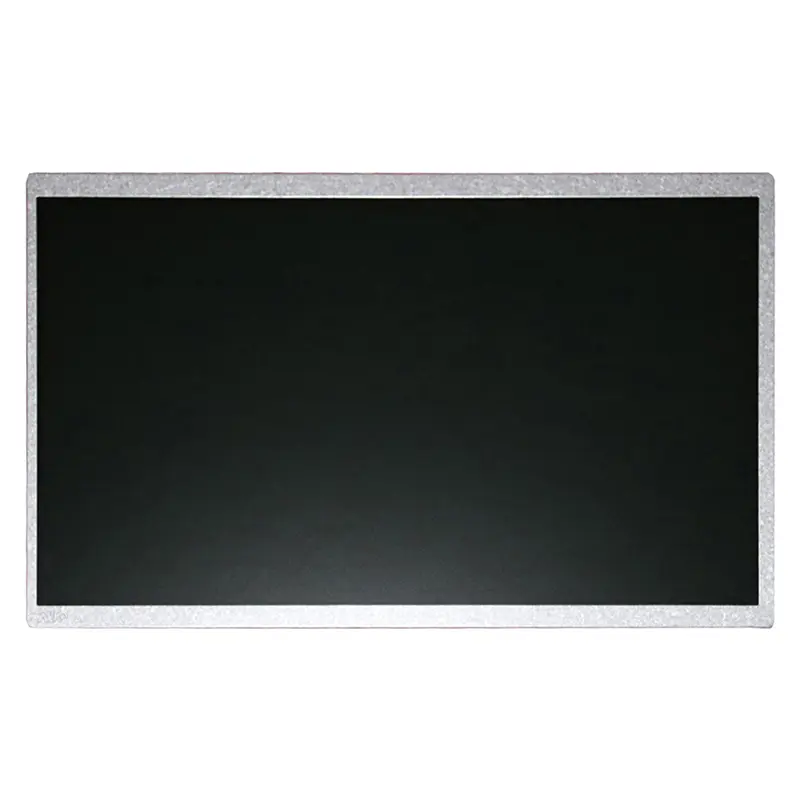
Moving beyond mere datasheet listings, we will explore what sets the G101STN01.9 apart in a crowded field of 10.1-inch displays. From its core visual performance and interface architecture to its intended industrial applications and comparative advantages, this analysis aims to provide a comprehensive resource. For engineers, product designers, and procurement specialists, understanding the nuances of this panel is crucial for making informed integration decisions that will define the next generation of portable and embedded devices.
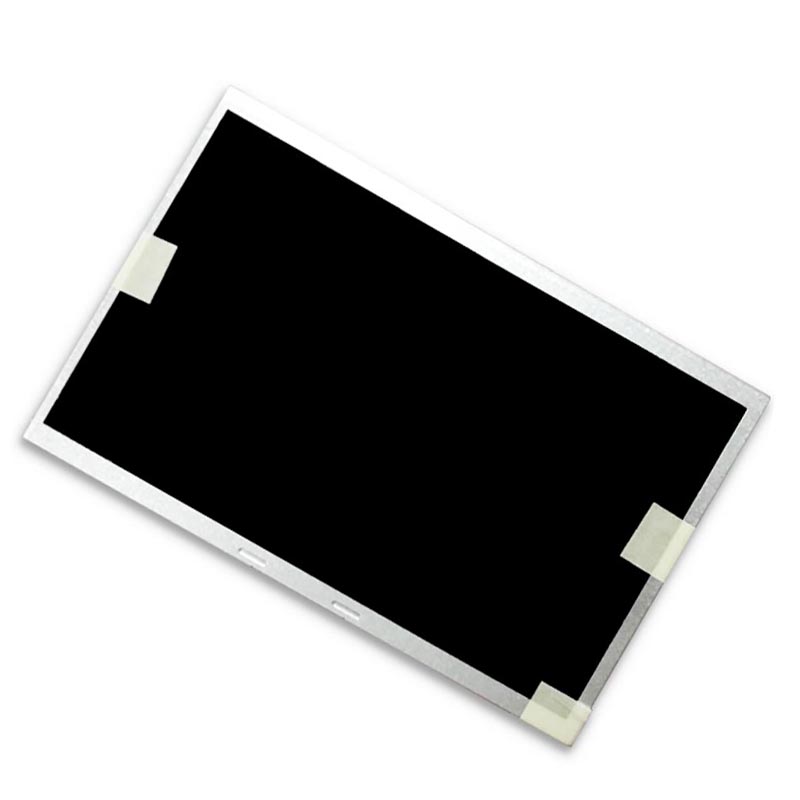
Unpacking the Core Specifications: A Technical Foundation
The G101STN01.9 is fundamentally defined by its key parameters. As a 10.1-inch diagonal TFT LCD, it offers a standard resolution, which provides a balanced pixel density for clear text and graphics without imposing excessive processing loads. The panel's aspect ratio is a critical factor, determining its physical shape and suitability for various form factors, from handheld terminals to control panels.
Further technical scrutiny reveals its brightness level, contrast ratio, and color gamut coverage. These metrics directly influence readability under various lighting conditions and the vibrancy of displayed content. The panel's operating voltage and power consumption figures are not just minor details; they are pivotal for designing efficient battery-powered systems or optimizing thermal management in enclosed spaces. This foundational understanding sets the stage for appreciating its more advanced features.
Display Technology and Visual Performance Analysis
At the heart of the G101STN01.9 lies its specific LCD technology, which dictates its viewing angle performance, response time, and color reproduction. Unlike older TN (Twisted Nematic) panels with limited viewing cones, this model may utilize IPS (In-Plane Switching) or advanced TN enhancements to offer wider, more consistent viewing angles—a necessity for shared or multi-orientation devices.
The panel's response time is crucial for applications involving dynamic content, influencing the clarity of moving images. We analyze its performance in rendering colors accurately, which is vital for diagnostic displays, graphical user interfaces, or digital signage. The quality of the backlight unit and its uniformity across the screen surface are also examined, as these factors prevent distracting hotspots or edge dimming, ensuring a professional and consistent visual experience.
Interface and Connectivity: The Integration Pathway
A display panel does not function in isolation; its interface is the critical bridge to the host system. The G101STN01.9 typically features standard digital interfaces such as LVDS (Low-Voltage Differential Signaling) or eDP (Embedded DisplayPort). The choice of interface affects data transmission speed, signal integrity over distance, and electromagnetic compatibility.
This section details the pin configuration, signal requirements, and the need for compatible controller boards or timing controllers (T-CON). Understanding the interface is paramount for hardware engineers during the schematic and PCB layout phases. We also discuss the potential for touch panel integration, as many modern applications require capacitive or resistive touch functionality layered atop the display, adding another dimension to the integration process.
Target Applications and Industrial Suitability
The specific blend of size, durability, and performance of the G101STN01.9 makes it an ideal candidate for a range of specialized applications. Its primary home is in the industrial and commercial sectors, where reliability is non-negotiable. Key applications include Human-Machine Interface (HMI) panels for factory automation, portable medical diagnostic devices, point-of-sale (POS) systems, and transportation information displays.
We evaluate its suitability for these environments by considering its operating temperature range, potential for ruggedization, and longevity. The panel is designed to withstand continuous operation, resisting the vibrations, temperature fluctuations, and extended usage cycles that consumer-grade panels cannot endure. This inherent robustness defines its market niche and justifies its selection for mission-critical equipment.
Comparative Advantages in a Competitive Landscape
In a market filled with similar-sized displays, the G101STN01.9 must offer distinct advantages. This section provides a comparative analysis against other 10.1-inch panels, highlighting its potential strengths. These may include a superior cost-to-performance ratio, better availability in the supply chain, or specific certifications for industrial use.
We contrast its specifications with alternative technologies, such as newer OLED panels, outlining where the G101STN01.9's LCD technology remains advantageous—particularly in scenarios involving static images for long durations or where cost constraints are significant. The analysis helps procurement teams and designers understand the value proposition, ensuring the panel is selected not just for availability, but for optimal fit.
Design Considerations and Integration Challenges
Successfully integrating the G101STN01.9 into a final product requires careful forethought. This final analytical chapter addresses practical design considerations. These encompass mechanical integration: the precise dimensions, bezel size, and mounting options must align with the product's enclosure.
Electrical design challenges are also explored, including power supply sequencing, noise mitigation for the video signals, and managing the backlight driver circuit. Furthermore, we discuss firmware and software considerations, such as initializing the display controller and calibrating colors. Anticipating these challenges reduces development time and prevents costly redesigns, smoothing the path from prototype to mass production.
FAQS
Q: What is the exact resolution of the G101STN01.9 panel?A: The panel typically features a standard resolution, commonly 1024 x 600 or 1280 x 800 pixels, but the exact specification should be verified with the manufacturer's datasheet.
Q: Does this panel support touch functionality?A: The G101STN01.9 is a display-only panel. However, it is designed to be easily laminated with a separate resistive or capacitive touchscreen overlay for full interactive capability.
Q: What is the primary interface for this LCD?A: It most commonly uses an LVDS interface, though specific versions may support other digital interfaces like eDP. The connector type and pinout are detailed in the panel's technical documentation.
Q: What are the typical operating and storage temperature ranges?A: Designed for industrial use, it generally supports an extended operating temperature range, often from -20°C to 70°C, and an even wider storage range.
Q: Is the G101STN01.9 suitable for outdoor use?A: While robust, standard versions are not sunlight-readable. For outdoor use, a high-brightness version (if available) and proper optical bonding are recommended to combat glare.
Q: How does its power consumption compare to similar panels?A: Its consumption is competitive for its technology class. Power use is primarily driven by the backlight; optimizing backlight level is key to maximizing battery life in portable devices.
Q: Can it be used as a direct replacement for an older 10.1-inch panel?A: Not automatically. Physical dimensions, mounting holes, interface type, power requirements, and signal timing must all be carefully matched to ensure compatibility.
Q: What is the expected lifespan of this display?A: Industrial LCD panels like the G101STN01.9 are rated for a long lifespan, often 50,000 hours or more for the backlight, under normal operating conditions.
Q: Are there known compatibility issues with specific controller chips?A: Compatibility is generally broad with standard interfaces. However, always consult the panel's initialization sequence and voltage requirements against your chosen display controller's capabilities.
Q: Where can I find detailed technical documentation for this panel?A: Full datasheets, mechanical drawings, and application notes are typically available through authorized distributors or by direct request from the panel manufacturer.
Conclusion
The NEW 10.1 inch LCD display PANEL G101STN01.9 represents a sophisticated component engineered for reliability and performance in demanding environments. Through our exploration—from its foundational specifications and visual performance to its integration pathways and market positioning—it is clear that this panel is more than just a generic screen. It is a carefully calibrated solution tailored for industrial HMI, medical devices, and commercial systems where durability and clarity are paramount.
For product development teams, the value lies in a holistic understanding of both its technical merits and practical integration requirements. By considering the panel within the full context of application needs, design challenges, and comparative alternatives, engineers can leverage its strengths to create robust, effective, and competitive end products. In the intricate ecosystem of display technology, informed selection and integration, as detailed in this analysis, remain the keys to successful innovation.





