


















- Industrial display
-
Industrial Products
- DC Servo Drive
- AC Servo Drive
- Industrial board
- Siemens
- Switch Sensor
- Proximity Switch
- Temperature Controller
- Protection Relay
- Fiber Optic Sensor
- Encoder
- Fan
- other
- Heidelberg
- MITSUBISHI
- FANUC
- Siemens adapter
- Fujitsu connector
- Motherboard
- Board
- Contactor
- Circuit
- OMRON
- Relay
- Motor Driver
- power supply
- Cable
- Transformer
- HMI Touch Glass
-
HMI Full Machine Whole unit
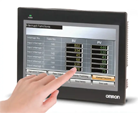
- OMRON HMI Touch Panel
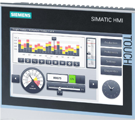
- Siemens HMI Touch Panel
- Mitsubishi HMI Touch Panel
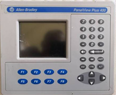
- Allen-Bradley automation HMI Touch Panel
- DELTA HMI Touch Panel
- Proface HMI Touch Panel
- KINCO DELTA HMI Touch Panel
- HITECH HMI Touch Panel
- WEINTEK HMI Touch Panel
- TECVIEW HMI Touch Panel
- WEINVIEW HMI Touch Panel
- PANASONIC HMI Touch Panel
- KYOCERA HMI Touch Panel
- SCHNEIDER HMI Touch Panel
- Module
- lcd inverter
- Membrane Keypad Switch
- Zhiyan Customized Touch Screens
- Frequency Inverter
- Servo Motor
- PLC
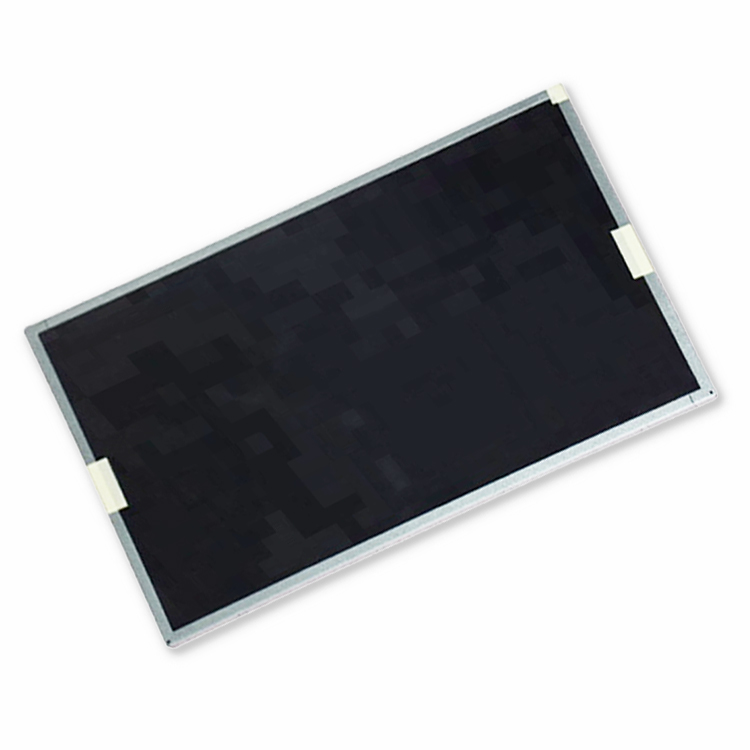
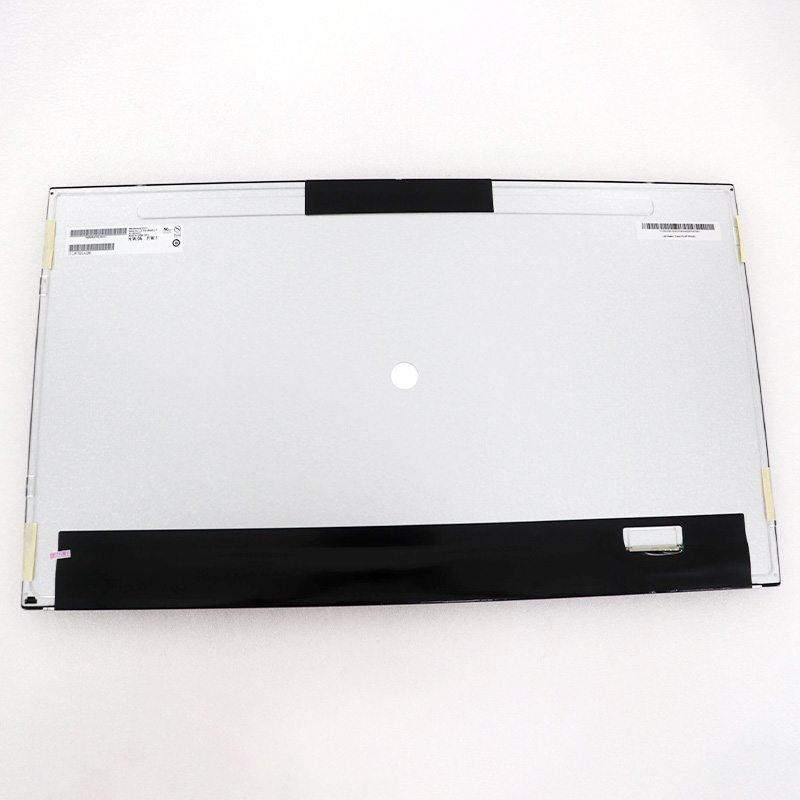
In the competitive landscape of industrial and commercial displays, the G238HAN01.3 manufactured by AU Optronics (AUO) stands as a notable contender. This 23.8-inch a-Si TFT-LCD LCM, with its standard resolution of 1920(RGB)×1080 (FHD), is designed for environments where reliability, consistent color performance, and robust build quality are non-negotiable. This article provides an expert analysis of the technical architecture, operational parameters, and real-world applicability of this specific model, moving beyond surface-level specifications to offer genuine value to engineers, procurement specialists, and system integrators.
Core Technical Architecture
Understanding the G238HAN01.3 requires a breakdown of its fundamental technology. The "a-Si TFT-LCD" designation refers to the use of amorphous silicon (a-Si) thin-film transistors. While not as fast as low-temperature polysilicon (LTPS) displays, a-Si technology is widely adopted for its mature manufacturing processes, lower production costs, and sufficient performance for static and standard dynamic content. For a 23.8-inch panel used in industrial settings, a-Si provides an excellent balance of cost and performance.
The LCM (LCD Module) designation indicates that this unit is a complete module. It integrates the LCD glass panel, the backlight unit, driver ICs, and the necessary interface board. This off-the-shelf integration reduces development time for system designers, as they do not need to source and assemble drive electronics separately. The module is designed to be directly integrated into medical monitors, industrial control panels, or public signage displays.
The 1920(RGB)×1080 resolution on a 23.8-inch diagonal results in a pixel density of approximately 92 PPI (pixels per inch). This figure is optimal for viewing distances of 0.5 to 1.0 meters. It provides crisp text rendering for data-heavy interfaces and sufficient detail for high-definition video playback without requiring the higher cost and power consumption of 4K UHD panels.
Optical Performance and Image Quality
AUO's G238HAN01.3 typically employs an IPS (In-Plane Switching) or AHVA (Advanced Hyper-Viewing Angle) technology. This is a critical feature that differentiates it from older TN (Twisted Nematic) panels. The key benefits include:
Wide Viewing Angles: Consistent color and contrast are maintained up to 89 degrees in all directions (up, down, left, right). This is essential for any application where the display is viewed by multiple people or from off-center positions, such as in a control room or a medical consultation setting.
Excellent Color Reproduction: The panel typically supports a color gamut of at least 72% NTSC (CIE1931), often reaching higher percentages depending on the specific revision. This ensures accurate representation of medical images, engineering blueprints, and branding elements.
High Native Contrast Ratio: A typical contrast ratio of 1000:1 is standard for this class of panel. This allows for deep blacks and bright whites, which enhances the readability of text and the depth of graphical elements.
Brightness Capabilities: Standard brightness for the module is often specified in the range of 250 to 350 cd/m² (nits). For environments with high ambient lighting, certain revisions or custom backlights can push this higher, but the base specification is designed for comfortable indoor use.
Interface and Connectivity
The G238HAN01.3 utilizes the LVDS (Low-Voltage Differential Signaling) interface. This is a mature, robust, and widely supported interface standard in the industrial display ecosystem. It is particularly favored because:
Single or Dual Channel Support: To drive the 1920×1080 resolution at typical refresh rates (60Hz), the panel requires a dual-channel LVDS configuration, often operating on an 8-bit data bus per channel. This ensures sufficient bandwidth for high-data-throughput, reducing the risk of flickering or artifacts.
Long Cable Run Capability: Compared to newer interfaces like eDP (Embedded DisplayPort), standard LVDS can tolerate longer cable runs without signal degradation, which is advantageous when the panel is physically separated from the main processing board.
Easy Timing Control: The interface allows for straightforward implementation of timing controllers, simplifying the design process for system engineers who need to adapt the panel to various graphics sources.
Backlight Technology and Longevity
This AUO module is illuminated by an LED (Light Emitting Diode) backlight. This technology has completely replaced older CCFL (Cold Cathode Fluorescent Lamp) backlights in modern displays. The advantages are substantial:
Energy Efficiency: LED backlights consume significantly less power than CCFL, which is critical for systems operating continuously or in thermally constrained environments.
Low Heat Output: Reduced power consumption directly translates to lower thermal output, extending the lifespan of surrounding electronic components and reducing the need for active cooling (fans).
Longer Operating Life: An LED backlight in this class of product is typically rated for 30,000 to 50,000 hours of operation (to half-brightness). This translates to years of continuous use without needing a backlight replacement.
Thin Profile: The LED array allows for a much thinner module profile compared to CFL backlights, enabling sleeker, more modern industrial and commercial product designs.
Application Environments and Use Cases
The specific combination of features in the G238HAN01.3 makes it unsuitable for consumer TV sets but ideal for niche professional applications. The primary use cases include:
Medical Imaging Monitors: The IPS panel's color accuracy and wide viewing angles are crucial for radiology review stations, patient monitoring systems, and diagnostic displays. The reliability and long backlight life are also essential for 24/7 hospital operations.
Industrial Human-Machine Interfaces (HMI): In factories, control rooms, and process automation, operators need a clear, stable display that can be viewed from various angles. The durability and robust design of the AUO module fulfill these requirements.
Digital Signage: For informational kiosks, interactive directories, or in-store displays, the FHD resolution provides sharp visuals, and the wide viewing angles ensure content is visible to passersby from different positions.
Gaming and Amusement Machines: The combination of fast refresh rate capability (often 60Hz to 75Hz) and good color accuracy makes it a candidate for slot machines, arcade cabinets, and other gaming terminals where reliability is paramount.
Technical Limitations and Considerations
No display is universally perfect. Professionals should be aware of the inherent limitations of the G238HAN01.3:
Refresh Rate: While sufficient for most stationary applications, the standard 60Hz refresh rate may not be ideal for high-speed gaming or applications requiring fluid motion tracking without blur.
HDR Support: This model does not come with native HDR (High Dynamic Range) hardware support. Its standard 8-bit color depth and typical brightness levels cannot replicate the dynamic range of modern HDR displays. It is an SDR (Standard Dynamic Range) panel.
Backlight Bleed: As with many LED IPS panels, some edge-type backlights may exhibit minor light bleed at the corners in a completely dark room. This is generally within acceptable tolerances for industrial applications but may be less desirable for a specialist video editing studio.
Temperature Range: While robust, the specified operating temperature range (often 0°C to 50°C) should be respected. Exposing the module to extreme cold or direct sunlight for prolonged periods can degrade performance and accelerate aging.
Conclusion
The G238HAN01.3 AUO 23.8-inch a-Si TFT-LCD LCM is a high-quality, purpose-built component that excels in demanding professional environments. It is not the flashiest consumer panel on the market, but its reliability, consistent color reproduction, wide viewing angles, and robust construction make it a trusted choice for engineers building mission-critical systems. Understanding its technical architecture—particularly the a-Si technology, LVDS interface, and LED backlight—allows professionals to correctly assess its suitability for medical, industrial, and high-reliability commercial applications. Its enduring presence in the market is a testament to the value of a well-engineered, purpose-driven display solution.





