





















- Industrial display
-
Industrial Products
- DC Servo Drive
- AC Servo Drive
- Industrial board
- Siemens
- Switch Sensor
- Proximity Switch
- Temperature Controller
- Protection Relay
- Fiber Optic Sensor
- Encoder
- Fan
- other
- Heidelberg
- MITSUBISHI
- FANUC
- Siemens adapter
- Fujitsu connector
- Motherboard
- Board
- Contactor
- Circuit
- OMRON
- Relay
- Motor Driver
- power supply
- Cable
- Transformer
- HMI Touch Glass
-
HMI Full Machine Whole unit
- OMRON HMI Touch Panel
- Siemens HMI Touch Panel
- Mitsubishi HMI Touch Panel
- Allen-Bradley automation HMI Touch Panel
- DELTA HMI Touch Panel
- Proface HMI Touch Panel
- KINCO DELTA HMI Touch Panel
- HITECH HMI Touch Panel
- WEINTEK HMI Touch Panel
- TECVIEW HMI Touch Panel
- WEINVIEW HMI Touch Panel
- PANASONIC HMI Touch Panel
- KYOCERA HMI Touch Panel
- SCHNEIDER HMI Touch Panel
- Module
- lcd inverter
- Membrane Keypad Switch
- Zhiyan Customized Touch Screens
- Frequency Inverter
- Servo Motor
- PLC
In the intricate ecosystem of electronic devices, the display panel serves as the critical interface between human and machine. For engineers, procurement specialists, and product developers, selecting the right panel is a decision that balances technical specifications, reliability, and supply chain viability. This article provides a comprehensive, in-depth analysis of one specific component: the G133HAN01.1, a 13.3-inch LCD display panel manufactured by AU Optronics (AUO).
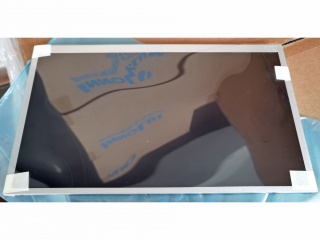
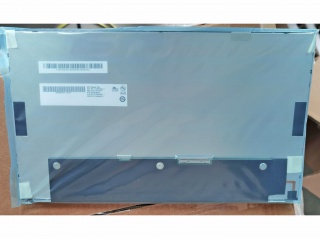
Moving beyond a simple datasheet review, we will dissect this panel's core technology, performance characteristics, and ideal application scenarios. We will explore its position within AUO's product portfolio, examine its key competitive advantages, and address practical considerations for integration and sourcing. Our goal is to equip you with the nuanced understanding necessary to evaluate whether the G133HAN01.1 is the optimal display solution for your next-generation device, be it a high-end laptop, a specialized medical monitor, or a portable industrial tool.
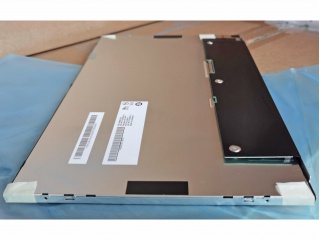
Unpacking the G133HAN01.1: Core Specifications and Technology
The G133HAN01.1 is built on an IPS (In-Plane Switching) panel technology foundation. This is a crucial differentiator, as IPS is renowned for delivering superior color accuracy, wider viewing angles (typically 178/178 degrees), and better consistency compared to older TN (Twisted Nematic) panels. The panel features a standard WLED backlight system, offering a balance of brightness and power efficiency.
Its native resolution is 1920 x 1080 pixels (Full HD), resulting in a pixel density of approximately 166 PPI. This specification strikes a compelling balance between sharp detail and system resource demands, avoiding the excessive power draw of higher 4K resolutions while providing ample clarity for productivity and multimedia. Other vital specs include a standard aspect ratio of 16:9, a matte surface treatment to reduce glare, and a 30-pin eDP (embedded DisplayPort) interface for high-speed digital signal transmission. Understanding these foundational specs is key to assessing its fit for purpose.
Performance Analysis: Color, Brightness, and Power Profile
Delving into performance, the G133HAN01.1 is positioned as a reliable workhorse panel. It typically covers a respectable portion of the sRGB color gamut, making it suitable for general computing, office applications, and casual content consumption where color fidelity is important but not mission-critical. Its brightness rating is adequate for indoor use across most environments.
The power consumption profile is a significant consideration for portable devices. With a WLED backlight and FHD resolution, this panel is designed to be relatively energy-efficient, contributing to longer battery life in laptops. Engineers must evaluate this against the specific power budget of their device. Furthermore, the panel's response time is sufficient for everyday tasks, though it may not meet the ultra-fast requirements of competitive esports gaming. This performance profile clearly defines its application sweet spot.
Ideal Application Scenarios and Use Cases
The technical profile of the G133HAN01.1 naturally directs it toward specific market segments. Its primary application is in the mid-to-high-end laptop market, particularly for business-oriented, productivity-focused, and convertible notebook designs where good viewing angles and color consistency are valued. The 13.3-inch size is a classic choice for ultrabooks and portable devices prioritizing a compact form factor without sacrificing screen real estate.
Beyond mainstream laptops, this panel finds relevance in specialized fields. Its reliability and IPS clarity make it a candidate for embedded systems, industrial control panels, and portable medical diagnostic devices where consistent visual performance is paramount. It is less suited for professional-grade color grading studios (which require wider gamuts like Adobe RGB or DCI-P3) or applications demanding extremely high refresh rates.
Position within AUO's Portfolio and Market Alternatives
Within AUO's extensive lineup, the G133HAN01.1 represents a mature, cost-optimized FHD IPS solution. It sits alongside other 13.3-inch panels that may offer higher resolutions (QHD), touch functionality, or different connector types. Understanding this position helps in making sourcing decisions; the G133HAN01.1 is often the choice for projects prioritizing proven technology and favorable cost-structure.
In the broader market, competitors like LG Display, Innolux, and BOE offer similar panels. Key differentiators for the G133HAN01.1 often come down to AUO's manufacturing consistency, specific optical bonding options, and the availability of compatible touch screen overlays. When evaluating alternatives, one must compare not just datasheet numbers, but also long-term supply stability, quality control history, and the ease of technical support from the manufacturer or distributor.
Critical Integration Considerations for Engineers
Successful integration of the G133HAN01.1 requires attention to several technical details. The 30-pin eDP interface must be correctly matched with the host system's timing controller (T-CON). Designers must ensure the device's mechanical structure accommodates the panel's exact dimensions, bezel, and mounting hole positions. Thermal management is also crucial, as proper heat dissipation from the backlight and drivers ensures long-term reliability and prevents luminance drop.
Furthermore, the panel typically requires a specific voltage sequence for power-on and power-off to prevent damage. Engineers must implement this correctly in their system's power delivery design. Sourcing a compatible LVDS cable and ensuring electromagnetic compatibility (EMC) shielding are additional practical steps that can prevent costly redesigns or field failures later in the product lifecycle.
Sourcing, Availability, and Long-Term Supply Chain Strategy
For procurement professionals, the G133HAN01.1 presents both opportunities and challenges. As a panel that has been in production for some time, it may be available through multiple channels, including authorized AUO distributors, independent brokers, and on the open market. While this can provide short-term flexibility, it introduces risks related to counterfeit components or panels harvested from used devices.
A robust supply chain strategy involves verifying the authenticity of the panel through direct engagement with AUO or its major partners. For long-running products, it is essential to discuss the panel's product lifecycle status (Active, Mature, or Not Recommended for New Design) with the supplier. Planning for potential end-of-life (EOL) scenarios, such as identifying approved alternative models or securing a final batch buy, is a critical part of risk mitigation when incorporating a component like this into a new design.
FAQs: G133HAN01.1 Display Panel
Q1: What is the primary technology of the G133HAN01.1 panel?A: It uses an IPS (In-Plane Switching) LCD matrix for wide viewing angles and good color reproduction.
Q2: What is its screen resolution and size?A: It is a 13.3-inch diagonal panel with a Full HD (1920 x 1080 pixels) native resolution.
Q3: Is this a glossy or matte screen?A: It typically features a matte (anti-glare) surface treatment.
Q4: What interface does it use to connect to a motherboard?A: It uses a 30-pin eDP (embedded DisplayPort) interface.
Q5: Is the G133HAN01.1 suitable for professional photo/video editing?A: It covers standard sRGB well, but may not be ideal for work requiring wider gamuts like Adobe RGB or DCI-P3.
Q6: Can this panel be used as a direct replacement in a laptop repair?A: Only if the original laptop used this exact model. Physical dimensions, connector type, and pinout must match precisely.
Q7: Does it support touch functionality?A: No, the G133HAN01.1 is a standard LCD panel. Touch would require an additional digitizer overlay.
Q8: What is a key advantage of choosing an AUO panel like this one?A: AUO is a tier-1 manufacturer known for high quality control and reliability, which reduces integration risk.
Q9: Where can I buy authentic G133HAN01.1 panels?A: Through authorized electronic component distributors or directly from AUO's sales channels to ensure authenticity.
Q10: What should I check before integrating this panel into a new device?A: Verify the detailed datasheet, power sequence requirements, mechanical drawings, and interface compatibility with your system's T-CON.
Conclusion
The AUO G133HAN01.1 stands as a testament to the enduring value of a well-executed, fundamental technology. It is not the flashiest or highest-resolution panel available, but its strength lies in its proven IPS performance, reliable construction, and balanced specifications that meet the core needs of a wide range of devices. For product developers targeting the portable computing and specialized industrial markets, it represents a low-risk, high-quality component choice.
Ultimately, selecting a display panel is a strategic decision that impacts user experience, product longevity, and manufacturing viability. By thoroughly understanding the capabilities, context, and integration requirements of the G133HAN01.1, as outlined in this analysis, engineers and buyers can make an informed choice that aligns with their technical goals and commercial objectives, ensuring the final product's success in a competitive marketplace.





