













































- Industrial display
-
Industrial Products
- DC Servo Drive
- AC Servo Drive
- Industrial board
- Siemens
- Switch Sensor
- Proximity Switch
- Temperature Controller
- Protection Relay
- Fiber Optic Sensor
- Encoder
- Fan
- other
- Heidelberg
- MITSUBISHI
- FANUC
- Siemens adapter
- Fujitsu connector
- Motherboard
- Board
- Contactor
- Circuit
- OMRON
- Relay
- Motor Driver
- power supply
- Cable
- Transformer
- HMI Touch Glass
-
HMI Full Machine Whole unit
- OMRON HMI Touch Panel
- Siemens HMI Touch Panel
- Mitsubishi HMI Touch Panel
- Allen-Bradley automation HMI Touch Panel
- DELTA HMI Touch Panel
- Proface HMI Touch Panel
- KINCO DELTA HMI Touch Panel
- HITECH HMI Touch Panel
- WEINTEK HMI Touch Panel
- TECVIEW HMI Touch Panel
- WEINVIEW HMI Touch Panel
- PANASONIC HMI Touch Panel
- KYOCERA HMI Touch Panel
- SCHNEIDER HMI Touch Panel
- Module
- lcd inverter
- Membrane Keypad Switch
- Zhiyan Customized Touch Screens
- Frequency Inverter
- Servo Motor
- PLC
In the intricate world of display technology, where specifications often blur into a sea of numbers, the G133HAN01.0 emerges as a distinctly capable and widely adopted panel. This 13.3-inch LCD display module, manufactured by AU Optronics (AUO), represents a mature yet highly relevant solution that has powered countless laptops, portable monitors, and specialized devices. At its core lies a Full HD (1920x1080) resolution, a sweet spot that balances sharp detail with system performance. But to view it merely through this basic spec is to miss its true engineering significance.
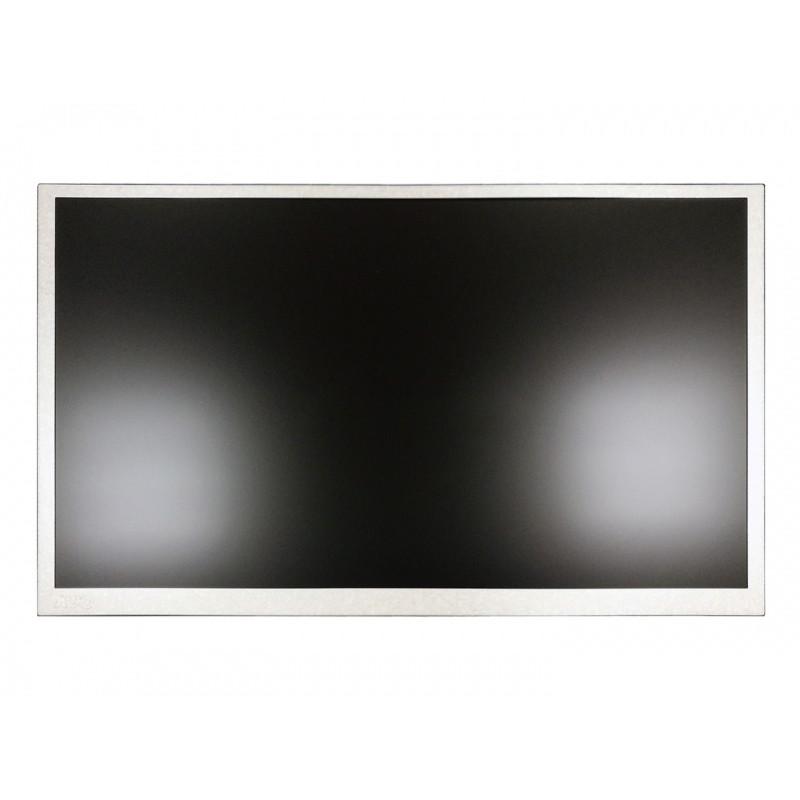
This article delves deep into the G133HAN01.0, moving beyond the datasheet to explore its technological DNA, performance characteristics, and practical applications. We will dissect its panel type and construction, analyze its visual performance metrics, and contextualize its role in the broader display ecosystem. Whether you are a hardware engineer sourcing components, a technician performing repairs, or an enthusiast seeking to understand the screen in your device, this exploration aims to provide a comprehensive and valuable resource on this ubiquitous display module.
Unpacking the Core Specifications and Panel Technology
The G133HAN01.0 is a 13.3-inch diagonal LCD panel with an active area of 293.76mm x 165.24mm, adhering to the 16:9 aspect ratio that became the industry standard for multimedia and productivity. Its native resolution of 1920x1080 translates to a pixel density of approximately 166 PPI (Pixels Per Inch), offering clear text rendering and adequate detail for its size. The module utilizes an IPS (In-Plane Switching) panel technology, which is a critical differentiator.
IPS technology is renowned for its superior viewing angles compared to older TN (Twisted Nematic) panels. This means colors and contrast remain consistent even when viewed from sharp side angles, a vital feature for collaborative work or simply adjusting your laptop screen. The panel typically features a standard RGB stripe pixel arrangement and is illuminated by an LED backlighting system, ensuring even brightness and energy efficiency. Understanding this foundation in IPS technology is key to appreciating its subsequent performance attributes.
A Deep Dive into Visual Performance and Color Fidelity
Visual performance is where the G133HAN01.0's specifications come to life. While specific grades exist, a typical panel offers a brightness of around 300 nits, suitable for indoor use. The contrast ratio, often in the range of 700:1 to 1000:1, provides decent depth between blacks and whites. However, the most significant aspect for many users is its color reproduction.
This panel commonly covers a substantial portion of the sRGB color gamut, the standard for web content and most consumer applications. It is not designed as a wide-gamut display for professional photo/video editing but delivers accurate and vibrant colors for everyday tasks, media consumption, and casual content creation. The use of IPS technology ensures this color fidelity is maintained across the wide viewing angles, making it a reliable all-rounder for visual accuracy in its class.
Interface, Power, and Mechanical Integration
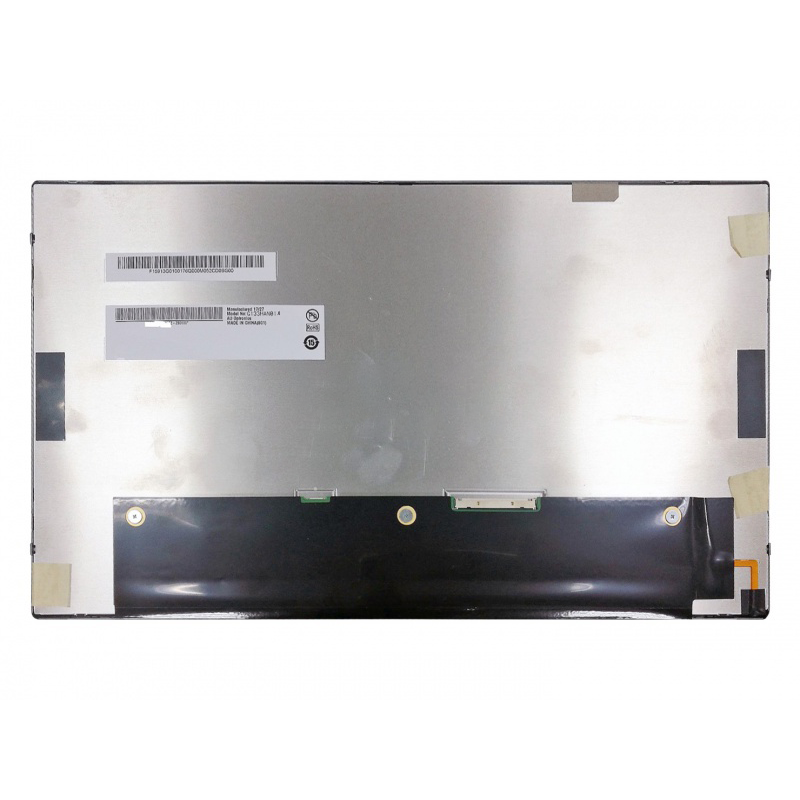
Integration is a practical concern for OEMs and repair specialists. The G133HAN01.0 typically features a 40-pin eDP (Embedded DisplayPort) interface, a compact and high-bandwidth standard that has largely replaced older LVDS interfaces in modern laptops. This interface supports the transmission of the Full HD signal, along with display control commands.
Power consumption is a crucial factor for portable devices. With LED backlighting, the panel is relatively efficient, though total power draw depends on brightness settings. Mechanically, it follows a standard form factor for its size class, with mounting holes at precise positions. The bezel design (the inactive border) can vary, but the core module dimensions are fixed, allowing it to be designed into various chassis with careful planning for cables and connectors.
Typical Applications and Market Context
The G133HAN01.0 found its primary home in the mainstream and business-oriented laptop segments from the late 2010s onward. It has been a popular choice for manufacturers seeking a reliable, cost-effective Full HD IPS solution for devices balancing performance, portability, and price. Its applications extend beyond traditional clamshell laptops.
This panel is also commonly found in 2-in-1 convertibles, portable external monitors, and various industrial or embedded systems where a robust, medium-resolution display is required. Its longevity in the market is a testament to its balanced feature set. It serves as a key component in devices that prioritize clear, consistent visuals for office suites, web browsing, video conferencing, and streaming, without the premium cost associated with high-refresh-rate or OLED panels.
Comparative Analysis: Strengths and Limitations
Positioning the G133HAN01.0 requires comparison. Its primary strength lies in offering the proven benefits of IPS technology—excellent viewing angles and good color consistency—at an accessible price point for a Full HD panel. It represents a significant leap over the once-common HD (1366x768) TN panels in clarity and viewing experience.
Its limitations become apparent when compared to newer advancements. Modern panels may offer higher brightness (400+ nits) for HDR content, wider color gamuts (DCI-P3), higher refresh rates (120Hz) for smoother motion, or lower power consumption. The G133HAN01.0 is not a cutting-edge display for gaming or color-critical work; it is a workhorse component that delivers solid, dependable performance for core computing tasks, which explains its widespread adoption.
Sourcing, Compatibility, and Repair Considerations
For the aftermarket and repair industry, the G133HAN01.0 is a frequently requested part. It is essential to source panels from reputable suppliers to ensure compatibility and quality. Key matching criteria include the exact model number, interface type (eDP pin count and version), and connector placement. Even slight variations can lead to a non-functional installation.
When replacing this panel, technicians must also verify compatibility with the device's original LCD cable and motherboard display controller. While the panel is a standard component, firmware and voltage differences can sometimes cause issues. Successful replacement restores a device's visual integrity, often making it a cost-effective repair compared to purchasing new hardware, thus extending the lifecycle of countless laptops.
FAQs: G133HAN01.0 AUO 13.3" Display
1. What is the G133HAN01.0?It is a 13.3-inch Full HD (1920x1080) IPS LCD display panel manufactured by AU Optronics.
2. What does "IPS" mean for this screen?IPS (In-Plane Switching) provides wide viewing angles where colors don't shift significantly when viewed from the side.
3. Is this a good screen for photo editing?It covers standard sRGB well, suitable for casual editing. Professional work requires a wider-gamut, factory-calibrated panel.
4. What laptops use this display?It was commonly used in many mainstream business and consumer laptops from brands like Lenovo, Dell, HP, and others from the late 2010s.
5. What is the interface for this panel?It typically uses a 40-pin eDP (Embedded DisplayPort) interface.
6. Can I use this panel to upgrade my older laptop with an HD screen?Potentially, but you must confirm strict physical, interface, and electrical compatibility with your specific laptop model.
7. What is the typical brightness of this panel?Common variants offer around 300 nits of brightness, which is standard for indoor use.
8. Is it a touch screen?The G133HAN01.0 model itself is a standard non-touch LCD panel. Touch functionality would be an additional layer.
9. Where can I buy a replacement G133HAN01.0 screen?From specialized online retailers for laptop parts and displays, ensuring the exact model and connector match.
10. How does it compare to a modern OLED laptop screen?It lacks OLED's perfect blacks, higher contrast, and potential for wider color. However, it avoids risks like burn-in and is more cost-effective.
Conclusion
The AUO G133HAN01.0 13.3" Full HD display stands as a testament to a specific era of laptop design, where the industry converged on IPS technology and 1080p resolution as the balanced standard for clarity and usability. Our exploration confirms that its value lies not in groundbreaking specs, but in its reliable execution of core display fundamentals: consistent colors, wide viewing angles, and sharp enough detail for its size.
While display technology continues its relentless march toward higher refresh rates, deeper blacks, and more vibrant colors, understanding components like the G133HAN01.0 remains crucial. It represents the intelligent engineering behind the everyday devices we rely on, and for countless users and technicians, it continues to be the key to restoring or understanding the visual heart of a portable computer. In the ecosystem of components, it is a classic workhorse, whose legacy is etched into the screens of millions of machines.





