













































- Industrial display
-
Industrial Products
- DC Servo Drive
- AC Servo Drive
- Industrial board
- Siemens
- Switch Sensor
- Proximity Switch
- Temperature Controller
- Protection Relay
- Fiber Optic Sensor
- Encoder
- Fan
- other
- Heidelberg
- MITSUBISHI
- FANUC
- Siemens adapter
- Fujitsu connector
- Motherboard
- Board
- Contactor
- Circuit
- OMRON
- Relay
- Motor Driver
- power supply
- Cable
- Transformer
- HMI Touch Glass
-
HMI Full Machine Whole unit
- OMRON HMI Touch Panel
- Siemens HMI Touch Panel
- Mitsubishi HMI Touch Panel
- Allen-Bradley automation HMI Touch Panel
- DELTA HMI Touch Panel
- Proface HMI Touch Panel
- KINCO DELTA HMI Touch Panel
- HITECH HMI Touch Panel
- WEINTEK HMI Touch Panel
- TECVIEW HMI Touch Panel
- WEINVIEW HMI Touch Panel
- PANASONIC HMI Touch Panel
- KYOCERA HMI Touch Panel
- SCHNEIDER HMI Touch Panel
- Module
- lcd inverter
- Membrane Keypad Switch
- Zhiyan Customized Touch Screens
- Frequency Inverter
- Servo Motor
- PLC
In the intricate ecosystem of electronic devices, the display panel serves as the critical interface between human and machine. For engineers, procurement specialists, and repair technicians, selecting the correct component is a decision that impacts performance, compatibility, and cost. This article provides an in-depth exploration of the G121SN01 V4, a 12.1-inch display panel manufactured by AU Optronics (AUO). Far more than a simple part number, this panel represents a specific technological solution with defined applications and characteristics.
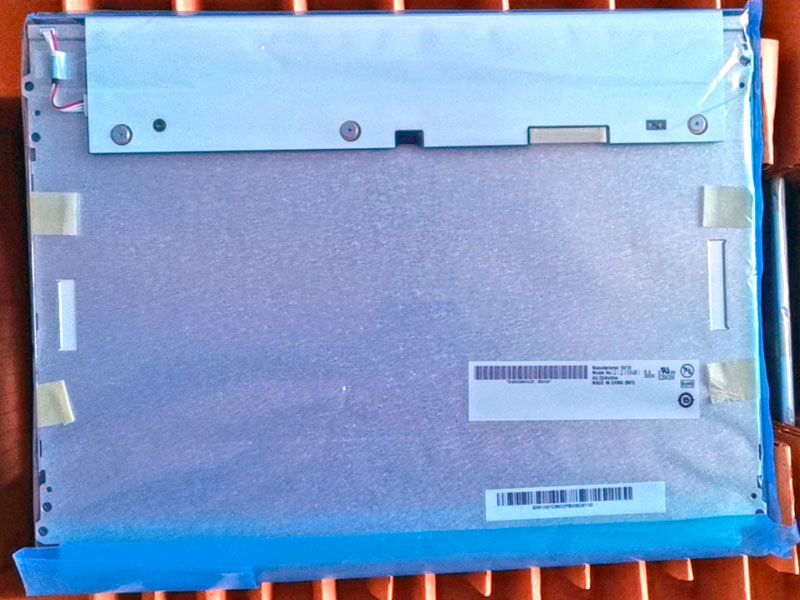
We will dissect its core specifications, from resolution and brightness to its unique interface and power requirements. Beyond the datasheet, we will analyze its typical integration scenarios, exploring why this particular model is chosen for various industrial and commercial devices. Furthermore, we will address practical considerations for sourcing, compatibility verification, and installation, providing a comprehensive resource for professionals who need to understand, specify, or replace the AUO G121SN01 V4 display panel.
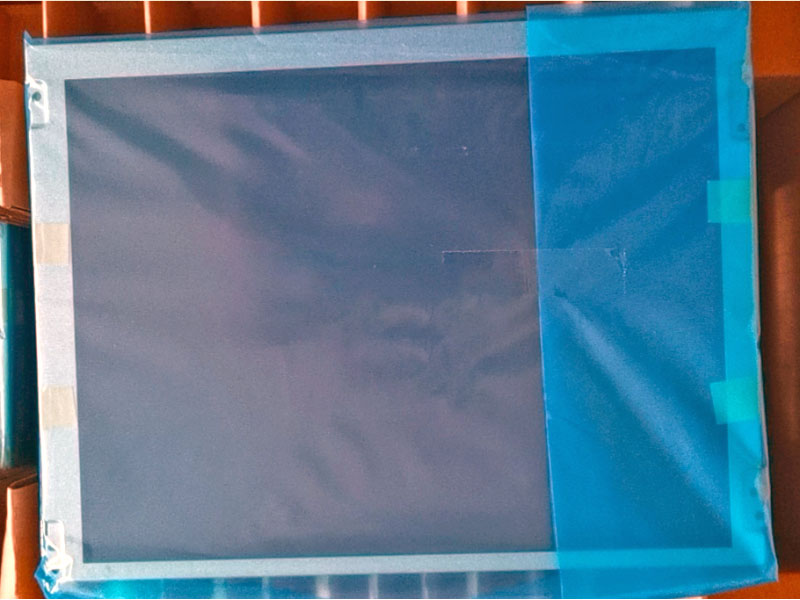
Decoding the G121SN01 V4: Core Specifications and Technology
The AUO G121SN01 V4 is a 12.1-inch diagonal TFT-LCD (Thin-Film Transistor Liquid Crystal Display) module. Its defining characteristic is an XGA (1024 x 768 pixels) resolution with a 4:3 aspect ratio, a format that remains prevalent in many industrial, medical, and point-of-sale systems where screen real estate for legacy software interfaces is crucial. The panel typically features a moderate brightness level (often around 300 nits) and a standard contrast ratio, engineered for reliability under consistent indoor lighting rather than high-dynamic-range visual spectacle.
Technologically, it utilizes a standard a-Si (amorphous Silicon) TFT process. The "V4" suffix is critical, indicating the fourth revision or version of this panel model. This versioning can encompass subtle but important changes in the backlight unit (e.g., switching from CCFL to LED, which the V4 typically is), power consumption, connector type, or the firmware of the integrated timing controller (T-CON). Understanding that "G121SN01" and "G121SN01 V4" are not always directly interchangeable is the first step in avoiding compatibility pitfalls.
Interface and Signal Requirements: The LVDS Connection
The G121SN01 V4 panel receives image data through an LVDS (Low-Voltage Differential Signaling) interface. This is a common, robust standard for transmitting high-speed digital video in embedded systems, known for its resistance to electromagnetic noise. The specific configuration is typically a single-channel or dual-channel 8-bit LVDS, matching the XGA resolution's data requirements.
For integration, the host device's video controller must output a signal that matches this panel's exact LVDS protocol, pixel clock frequency, and pin assignment. The connector type (usually a 30-pin or 40-pin single or dual connector) is a physical manifestation of this logic. Mismatching the interface, even if the screen size and resolution seem correct, will result in a non-functional display. This underscores the necessity of consulting the official AUO datasheet for the V4 revision to confirm the interface pinout and signal mapping before designing a system or attempting a replacement.
Typical Applications and Integration Scenarios
This panel is not designed for consumer laptops or tablets. Its 4:3 XGA format and industrial-grade construction target specific embedded and professional markets. Common integration points include industrial human-machine interfaces (HMIs) on factory floors, patient monitoring displays in medical carts, ruggedized portable devices for field service, and fixed retail point-of-sale terminals.
In these scenarios, long-term availability, consistent performance over a wide temperature range, and reliability are prioritized over ultra-thin bezels or high refresh rates. The G121SN01 V4 serves as a dependable "engine" for OEMs (Original Equipment Manufacturers) who build such specialized equipment. When a device in these categories requires repair, identifying the exact panel model, down to the version, is essential for a successful fix that maintains the original equipment's integrity and certification (especially important in medical fields).
Sourcing and Authenticity: Navigating the Supply Chain
Procuring a G121SN01 V4 presents a key challenge: ensuring authenticity and condition. As an AUO panel, it may be available through authorized distributors, but for repair and small-quantity needs, the market is often served by specialized electronic component brokers and panel resellers. Critical red flags include prices significantly below market average and sellers unable to provide clear photos of the actual item, including the model/version label on the back.
A genuine panel should be supplied as a complete module, often in anti-static packaging. It is advisable to seek suppliers that offer a compatibility guarantee. Professionals should verify that the offered part is explicitly the "V4" revision, not just a generic "G121SN01," and confirm whether it is new, refurbished, or pulled from used equipment, as each category carries different expectations for lifespan and performance.
Compatibility Verification and Cross-Reference Pitfalls
Before installation, thorough compatibility checks are mandatory. The first step is a physical match: dimensions, bezel cutout, and mounting hole positions. The second and more complex step is electrical and logical compatibility. This involves matching the LVDS interface pinout, voltage requirements (often 3.3V or 5V for logic and a higher voltage for the LED backlight), and the backlight inverter requirements (if not integrated).
While cross-reference lists exist, they can be treacherous. A panel listed as "compatible" may share physical size and resolution but differ in interface type (e.g., LVDS vs. eDP), power sequence, or backlight configuration. The safest approach is to use the technical datasheet of the original panel in the device and compare it line-by-line with the datasheet of the intended replacement G121SN01 V4, paying special attention to the "V4" specifics.
Installation Considerations and Best Practices
Successful installation hinges on static electricity prevention and mechanical care. Always handle the panel by its edges, avoiding pressure on the screen or the delicate LVDS connector. Use an anti-static wrist strap and work on a grounded surface. The connection process is precise: align the LVDS connector carefully with the socket on the panel's control board and secure it, often with locking clips or screws, ensuring no pins are bent.
Before powering the entire system, if possible, verify the backlight and logic power connections are correct. Once secured, power on the device and check for a clear, uniform image without lines, flicker, or discoloration. A proper installation should result in the display functioning identically to the original, with no artifacts or intermittent issues, confirming a successful technical and logical match.
FAQs: G121SN01 V4 Display Panel
1. What does the "V4" in G121SN01 V4 signify?It indicates the fourth revision of the panel, often involving a change to an LED backlight and potential minor electrical updates from earlier CCFL versions.
2. What is the resolution and aspect ratio of this panel?It features an XGA resolution (1024 x 768 pixels) with a 4:3 aspect ratio.
3. What type of interface does it use?It uses an LVDS (Low-Voltage Differential Signaling) digital interface.
4. Is the G121SN01 V4 compatible with a standard G121SN01?Not necessarily. The V4 revision may have different power, backlight, or pinout requirements. Always verify with technical datasheets.
5. What are its primary applications?It's used in industrial HMIs, medical devices, POS systems, and other embedded commercial equipment.
6. How can I ensure I'm buying an authentic AUO panel?Purchase from reputable suppliers, request photos of the actual part and its label, and be wary of prices that seem too good to be true.
7. What should I check for compatibility before buying?Verify physical dimensions, mounting holes, LVDS pinout, voltage requirements, and backlight type/inverter needs.
8. Can I replace a CCFL-backlit panel with this LED V4 version?Only if the host device's inverter/power supply supports LED backlights or you can adapt the power circuitry. Electrical compatibility is key.
9. How should I handle and install the panel to avoid damage?Use anti-static precautions, handle by the edges, and connect the LVDS cable carefully and securely.
10. Where can I find the official technical datasheet?Datasheets can often be found on electronic component distributor websites or by contacting AUO or their authorized distributors directly.
Conclusion
The AUO G121SN01 V4 is a specialized component that exemplifies the precision required in the embedded display market. Its value lies not in cutting-edge consumer specs, but in its defined role as a reliable, long-life interface for critical professional equipment. Successfully working with this panel demands moving beyond superficial specifications to a deep understanding of its version-specific attributes, interface language, and integration parameters.
For engineers and technicians, the key takeaway is that diligence in verification—cross-referencing datasheets, confirming physical and electrical compatibility, and sourcing from reliable channels—is non-negotiable. By treating the G121SN01 V4 with this level of technical rigor, professionals ensure device longevity, maintain performance standards, and execute seamless repairs, ultimately supporting the robust infrastructure of industries that depend on such specialized hardware.





