























- Industrial display
-
Industrial Products
- DC Servo Drive
- AC Servo Drive
- Industrial board
- Siemens
- Switch Sensor
- Proximity Switch
- Temperature Controller
- Protection Relay
- Fiber Optic Sensor
- Encoder
- Fan
- other
- Heidelberg
- MITSUBISHI
- FANUC
- Siemens adapter
- Fujitsu connector
- Motherboard
- Board
- Contactor
- Circuit
- OMRON
- Relay
- Motor Driver
- power supply
- Cable
- Transformer
- HMI Touch Glass
-
HMI Full Machine Whole unit
- OMRON HMI Touch Panel
- Siemens HMI Touch Panel
- Mitsubishi HMI Touch Panel
- Allen-Bradley automation HMI Touch Panel
- DELTA HMI Touch Panel
- Proface HMI Touch Panel
- KINCO DELTA HMI Touch Panel
- HITECH HMI Touch Panel
- WEINTEK HMI Touch Panel
- TECVIEW HMI Touch Panel
- WEINVIEW HMI Touch Panel
- PANASONIC HMI Touch Panel
- KYOCERA HMI Touch Panel
- SCHNEIDER HMI Touch Panel
- Module
- lcd inverter
- Membrane Keypad Switch
- Zhiyan Customized Touch Screens
- Frequency Inverter
- Servo Motor
- PLC
In the intricate world of electronic displays, the selection of a core component like a TFT LCD module can define the success of a product. Among the myriad of options available to engineers and designers, the G120YAT01.1 from AUO (AU Optronics) stands out as a pivotal solution for applications demanding reliability, clarity, and compact integration. This 12-inch module is not merely a screen; it is a sophisticated assembly of optics, electronics, and precision engineering tailored for industrial, medical, and critical commercial uses where performance cannot be compromised.
This article delves into a comprehensive analysis of the G120YAT01.1 module. We will move beyond basic specifications to explore its architectural brilliance, the specific market needs it addresses, and the tangible advantages it offers over generic alternatives. From its robust physical construction to its nuanced electronic interface and ultimate application impact, we will unpack the elements that make this module a trusted choice for professionals seeking to enhance their visual interface technology with a component built for enduring excellence.
Architectural Foundation: Decoding the Core Specifications
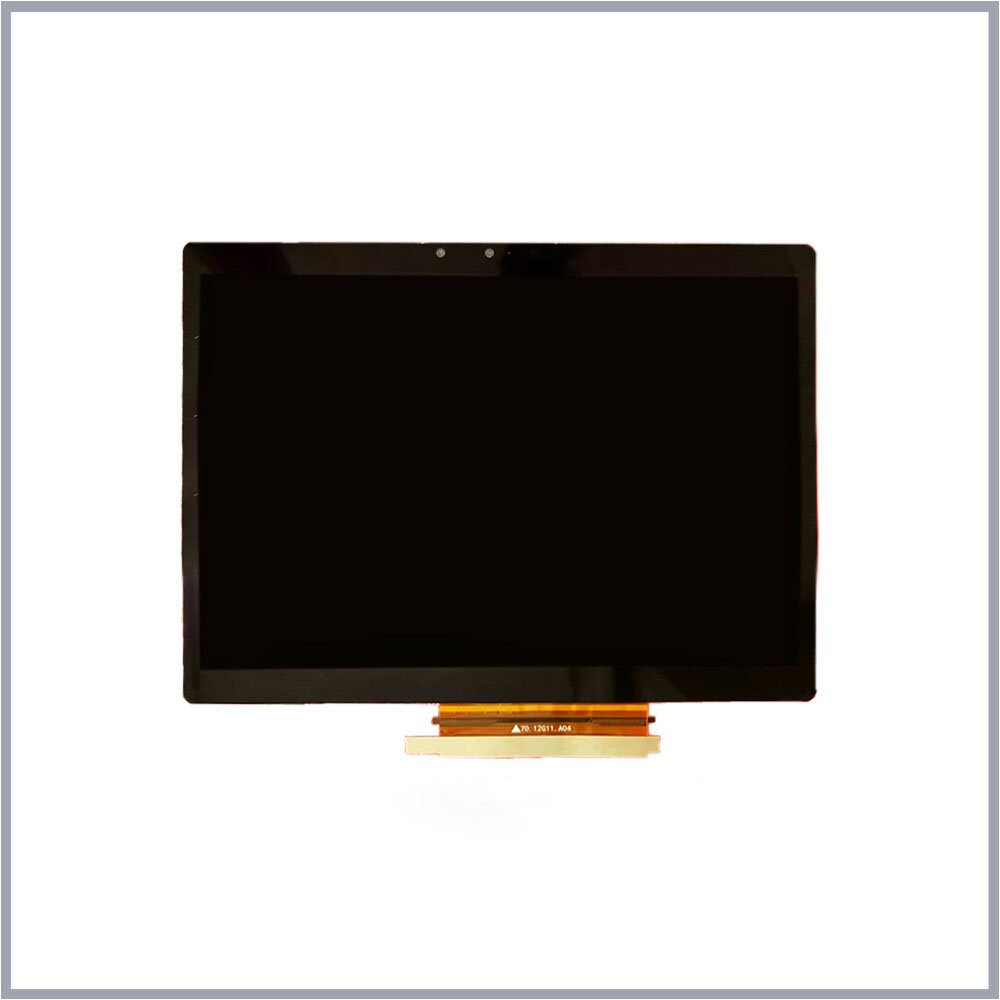
The G120YAT01.1 is built upon a 12.1-inch diagonal TFT LCD panel with a native resolution of 800 x 600 pixels (SVGA). This 4:3 aspect ratio is particularly valuable in legacy and industrial systems where software interfaces are designed for such formats, preventing distortion and ensuring pixel-perfect reproduction of critical data. The module utilizes a high-performance a-Si (amorphous Silicon) TFT process, which provides a stable foundation for its optical characteristics.
At its heart lies an LVDS (Low-Voltage Differential Signaling) interface, a key feature that ensures high-speed data transmission with reduced electromagnetic interference. This is crucial in environments crowded with electronic noise. The module boasts a luminance of approximately 500 nits, making it readable under various indoor lighting conditions, and a contrast ratio that delivers clear differentiation between dark and light elements. Understanding these foundational specs is essential to appreciating how the module translates electrical signals into reliable, high-fidelity images for the end-user.
Robust Design for Demanding Environments
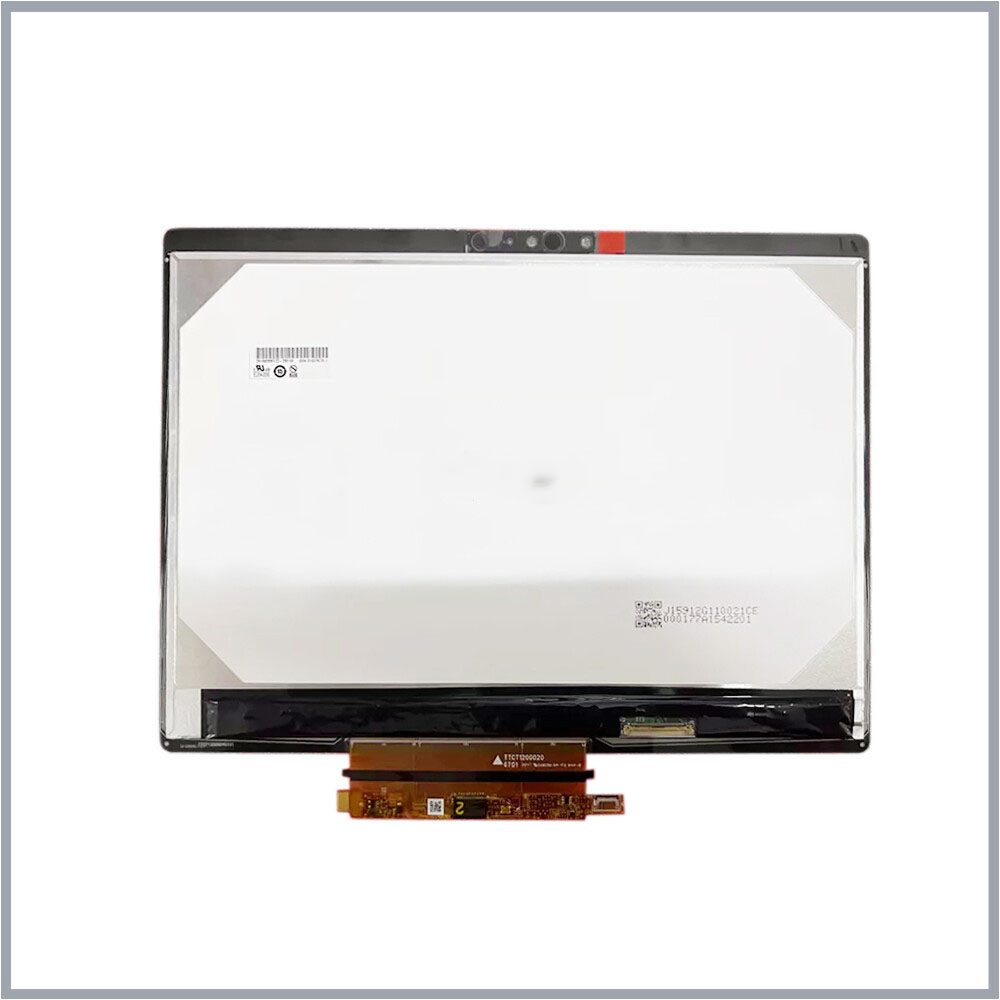
Where the G120YAT01.1 truly distinguishes itself is in its mechanical and environmental resilience. This module is engineered not for the benign conditions of a consumer tablet but for the rigors of factory floors, medical diagnostic equipment, and transportation systems. Its operating temperature range is notably wide, ensuring functionality in both chilled and heated environments where lesser displays would fail.
The construction often involves reinforced mounting points and a sturdy metal frame to withstand vibration and shock. Furthermore, the surface treatment of the panel typically includes enhanced hardness coatings to resist scratches and abrasions. This ruggedized design philosophy means that the module offers more than just a picture; it delivers operational certainty. For product developers, this translates to reduced failure rates, lower total cost of ownership, and the confidence to deploy in mission-critical scenarios where downtime is not an option.
The Integration Blueprint: Interface and Connectivity
Successful integration is the bridge between a capable module and a finished product. The G120YAT01.1 provides a clear blueprint through its standardized yet powerful interface scheme. The LVDS interface, typically implemented via a single-channel configuration for this resolution, simplifies wiring and minimizes noise coupling. Designers must pay close attention to the timing controller (T-Con) requirements and the power sequence outlined in the datasheet, as improper power-up can damage the panel.
The module usually comes with a comprehensive connector for power, LVDS signals, and backlight control. The backlight itself is a critical subsystem, often employing long-life LED arrays. Understanding the driving parameters for these LEDs—current, voltage, and dimming method (often PWM-based)—is vital for achieving optimal brightness control and maximizing the backlight's lifespan, which directly impacts the product's maintenance cycle.
Optical Performance and User Experience
Beyond durability and specs, the ultimate test of a display is how it presents information to the human eye. The G120YAT01.1 is calibrated for clarity and consistency. Its viewing angles, both horizontal and vertical, are sufficiently wide for collaborative or multi-operator viewing common in industrial settings. The color gamut and grayscale performance are tuned for accuracy rather than saturation, making it suitable for applications where precise representation is needed, such as in monochrome medical imaging or diagnostic readouts.
The anti-glare treatment on the surface diffuses ambient light, reducing reflections that cause eye strain and operator error. This focus on functional visual ergonomics ensures that over prolonged periods, the display remains a tool for efficiency, not a source of fatigue. The high brightness ensures readability even under strong overhead lighting, a common challenge in many operational environments.
Targeted Applications and Market Fit
The specific combination of features possessed by the G120YAT01.1 makes it an ideal candidate for several well-defined market segments. In industrial automation, it serves as the primary interface for PLCs (Programmable Logic Controllers), CNC machine controls, and HMI (Human-Machine Interface) panels, where its ruggedness and readability are paramount. The medical device industry utilizes it in patient monitoring systems, diagnostic equipment, and surgical tools, valuing its reliability and stable performance.
Additionally, it finds a home in point-of-sale (POS) systems, kiosks, and transportation information displays, where continuous operation and resistance to public use are required. Its 4:3 format also makes it a preferred choice for modernizing older equipment that was originally designed for CRT monitors, allowing for seamless drop-in upgrades without software overhaul. This targeted fit underscores its role as a specialized component rather than a commodity display.
Comparative Advantage and Selection Rationale
When selecting a display module, engineers often weigh the G120YAT01.1 against newer panels with widescreen formats or consumer-grade touchscreen integrations. Its advantage lies in its specialization. For applications where software compatibility with SVGA/4:3 is locked, where environmental stress is a daily reality, or where long-term supply stability from a tier-1 manufacturer like AUO is crucial, this module is often the superior choice.
The selection rationale hinges on a total solution value assessment. While a cheaper, consumer-grade panel might save initial cost, it risks higher failure rates, compatibility issues, and shorter product lifecycles. The G120YAT01.1 offers predictable performance, extensive technical documentation, and a design pedigree aimed at professional use. It represents a strategic investment in product quality and reliability, reducing long-term risks and support costs for the OEM.
FAQs: G120YAT01.1 AUO 12-Inch TFT LCD Module
Q1: What is the screen resolution of the G120YAT01.1?A1: It has an SVGA resolution of 800 x 600 pixels with a 4:3 aspect ratio.
Q2: What type of interface does it use?A2: It uses an LVDS (Low-Voltage Differential Signaling) interface for robust, low-noise data transmission.
Q3: Is this module suitable for outdoor use?A3: It is designed primarily for indoor use. Its ~500 nit brightness handles bright indoor lighting, but direct sunlight viewing may require a special outdoor-grade panel.
Q4: Can I add a touchscreen to this module?A4: Yes, it is commonly paired with resistive or projective capacitive touch panels as a separate overlay for interactive applications.
Q5: What is the typical operating temperature range?A5: The standard operating range is typically from -20°C to 70°C, but always confirm with the latest datasheet.
Q6: Is the backlight user-replaceable?A6: The LED backlight is integrated. While technically replaceable, it requires disassembly and is best done by a professional service.
Q7: Who manufactures the G120YAT01.1?A7: It is manufactured by AU Optronics (AUO), a leading global provider of display solutions.
Q8: What are its main application areas?A8: Key applications include industrial HMIs, medical devices, POS systems, kiosks, and transportation information displays.
Q9: How does its 4:3 aspect ratio affect modern design?A9: It is ideal for legacy system upgrades and specific industrial/medical software designed for this format, ensuring compatibility without graphic distortion.
Q10: Where can I find the technical datasheet?A10: The official datasheet is available through authorized AUO distributors or on AUO's official website and partner portals
Conclusion
The AUO G120YAT01.1 12-inch TFT LCD module exemplifies how a focused, well-engineered component can become the cornerstone of reliable visual systems. It transcends the role of a simple display by integrating rugged construction, stable optical performance, and a professional-grade interface into a cohesive package. Its value is not defined by the latest consumer trends but by its unwavering performance in the challenging environments of industry, medicine, and commerce.
For designers and engineers, selecting this module is a decision that prioritizes long-term reliability, system compatibility, and total cost of ownership. In a landscape filled with disposable components, the G120YAT01.1 stands as a testament to the enduring importance of specialized, high-quality design in enabling the technology that powers our critical daily operations.





