



















- Industrial display
-
Industrial Products
- DC Servo Drive
- AC Servo Drive
- Industrial board
- Siemens
- Switch Sensor
- Proximity Switch
- Temperature Controller
- Protection Relay
- Fiber Optic Sensor
- Encoder
- Fan
- other
- Heidelberg
- MITSUBISHI
- FANUC
- Siemens adapter
- Fujitsu connector
- Motherboard
- Board
- Contactor
- Circuit
- OMRON
- Relay
- Motor Driver
- power supply
- Cable
- Transformer
- HMI Touch Glass
-
HMI Full Machine Whole unit
- OMRON HMI Touch Panel
- Siemens HMI Touch Panel
- Mitsubishi HMI Touch Panel
- Allen-Bradley automation HMI Touch Panel
- DELTA HMI Touch Panel
- Proface HMI Touch Panel
- KINCO DELTA HMI Touch Panel
- HITECH HMI Touch Panel
- WEINTEK HMI Touch Panel
- TECVIEW HMI Touch Panel
- WEINVIEW HMI Touch Panel
- PANASONIC HMI Touch Panel
- KYOCERA HMI Touch Panel
- SCHNEIDER HMI Touch Panel
- Module
- lcd inverter
- Membrane Keypad Switch
- Zhiyan Customized Touch Screens
- Frequency Inverter
- Servo Motor
- PLC
In the intricate world of electronic components, where specifications dictate performance and compatibility is king, the G116HAN01.0 emerges as a critical piece of the display puzzle. This 11.6-inch TFT LCD panel, manufactured by AU Optronics (AUO), a global leader in display technology, is far more than just a simple screen. It represents a meticulously engineered solution designed for a specific range of applications where size, clarity, and reliability are non-negotiable. From portable medical devices and industrial handheld terminals to compact point-of-sale systems and in-vehicle displays, this panel is the window through which critical data and user interfaces come to life.
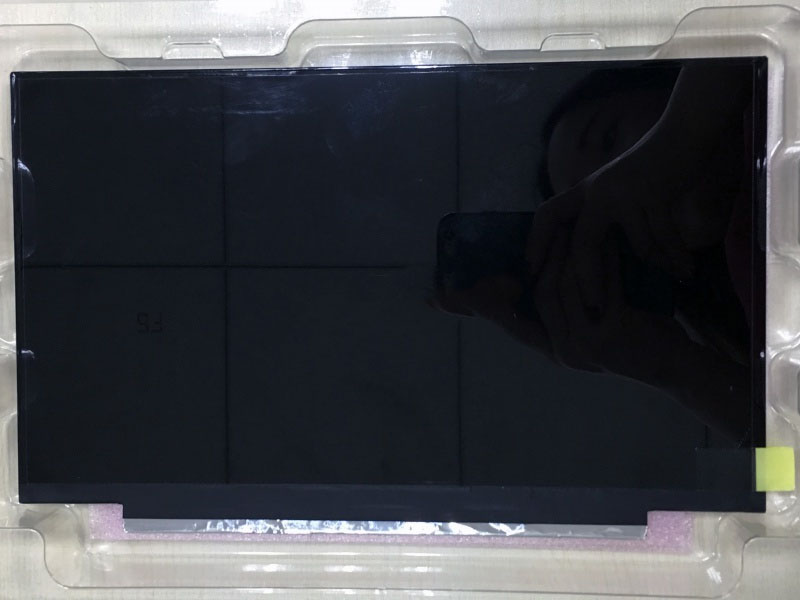
This article delves deep into the G116HAN01.0, moving beyond basic datasheet parameters to explore its technical DNA, practical applications, and the key considerations for integration. We will unpack the features that define its performance, examine the ecosystems it serves, and provide a clear roadmap for sourcing and implementing this specialized component. Whether you are an engineer, a procurement specialist, or a technology enthusiast, understanding the nuances of this display will equip you with the knowledge to make informed decisions in your projects.
Decoding the G116HAN01.0: Core Specifications and Technology
At its heart, the G116HAN01.0 is an 11.6-inch diagonal TFT-LCD module with a resolution of 1366 x 768 pixels (HD+). This translates to a pixel density that offers a balance between sharp imagery and system processing demands. It utilizes an IPS (In-Plane Switching) panel technology, which is a significant differentiator. IPS is renowned for its superior viewing angles—typically 85/85/85/85 degrees in all directions—ensuring consistent color and contrast without significant inversion or grayscale shift when viewed from the side. This is crucial for devices used in collaborative or multi-operator environments.
The module features an LED backlighting system, which provides bright, uniform illumination with lower power consumption and longer lifespan compared to older CCFL technology. With a typical brightness of 300 nits and a high contrast ratio, it maintains readability in various ambient lighting conditions. The interface is a critical specification: the G116HAN01.0 uses a 40-pin LVDS (Low-Voltage Differential Signaling) interface. LVDS is a standard for high-speed data transmission, known for its robustness against noise, making it ideal for industrial and medical applications where signal integrity is paramount.
Key Performance Features and Advantages
The performance of the G116HAN01.0 is defined by a suite of integrated features that address real-world application challenges. Its wide operating temperature range is a standout attribute, allowing it to function reliably in environments where consumer-grade displays would fail. This ruggedness is essential for outdoor equipment, automotive consoles, or factory floor devices. The surface treatment options, which may include anti-glare (AG) or hard coating (HC) layers, reduce reflections and protect the screen from scratches and chemical exposure, directly extending the product's operational life.
Furthermore, the panel supports a high color gamut, accurately reproducing colors—a vital feature for diagnostic medical imaging or design-oriented portable devices. The power efficiency of the LED backlight, combined with potential power-saving modes controlled through the interface, makes it suitable for battery-powered portable instruments. Its mechanical design, including a slim profile and specific mounting hole patterns, is engineered for straightforward integration into space-constrained housings, demonstrating AUO's design-for-manufacturability approach.
Primary Application Ecosystems and Use Cases
The G116HAN01.0 is not a general-purpose consumer screen; it is a specialized component tailored for B2B and embedded markets. Its primary domain is the medical field, where it serves as the display for portable ultrasound units, patient monitoring devices, and handheld diagnostic tools. Here, image clarity, color accuracy, and absolute reliability are matters of clinical importance. The second major ecosystem is industrial automation and HMI (Human-Machine Interface). On factory floors, in logistics, and for field service, this panel is integrated into rugged handheld terminals, portable test equipment, and control panels, enduring vibration, temperature swings, and continuous operation.
Additional key applications include transportation (rear-seat entertainment, fleet management systems, and navigation displays for commercial vehicles) and retail & hospitality (compact POS systems, self-service kiosks, and portable ordering devices). In each case, the G116HAN01.0 is chosen for its proven durability, stable supply chain, and the performance consistency that AUO, as a tier-one supplier, guarantees.
Critical Considerations for System Integration
Successfully integrating the G116HAN01.0 into a product requires careful planning beyond simply connecting cables. Engineers must first ensure interface compatibility. The LVDS signal must be generated by the host system's controller, often requiring an LVDS transmitter chip if the main processor lacks native support. The power sequence—the precise timing for applying power to the logic board and backlight—must be strictly adhered to as per the datasheet to prevent permanent damage.
Mechanical integration involves accounting for the bezel size, mounting points, and the allowance for thermal expansion. The electromagnetic compatibility (EMC) of the entire system can be influenced by the display; proper shielding and grounding of the LCD module are essential. Finally, developers must plan for the display firmware or driver configuration, which initializes the panel with the correct timing parameters (blanking, sync) for its native resolution.
Sourcing, Authenticity, and Supply Chain Dynamics
Procuring a specialized component like the G116HAN01.0 presents its own set of challenges. The most reliable channel is through authorized distributors of AUO or through direct engagement with AUO's sales team for large-volume projects. This guarantees authenticity, access to technical support, and compliance with the latest revision of the product. The market also has numerous independent distributors and brokers, where due diligence is critical to avoid counterfeit, refurbished, or "compatible" panels that may not meet the original specifications or longevity standards.
Supply chain stability is a key consideration. Display panels can have long lead times, and specific models may be phased out (end-of-life). Engaging with suppliers who provide transparent lifecycle status and potential alternative or upgrade paths (like the G116HAN01.1 or later revisions) is a strategic part of product design. Understanding the manufacturer's release and phase-out cycles can prevent costly last-minute redesigns.
Comparison with Alternative Display Solutions
When selecting a display, it's instructive to compare the G116HAN01.0 against other options. Compared to larger 12.1-inch or 13.3-inch panels, the 11.6-inch size offers a more compact form factor, often at a lower cost and power draw, ideal for ultra-portable devices. Against lower-cost TN (Twisted Nematic) panels, the G116HAN01.0's IPS technology provides vastly superior viewing angles and color performance, justifying its position in professional-grade equipment.
In the context of newer technologies, while OLED displays offer perfect blacks and higher contrast, they currently lag in lifespan (especially regarding burn-in) and brightness under direct sunlight, and often come at a significantly higher cost. For the target embedded applications requiring durability, longevity, and consistent performance under harsh conditions, the G116HAN01.0's TFT-LCD with IPS and LED backlighting remains a robust, cost-effective, and technologically mature choice.
FAQs: G116HAN01.0 11.6-inch TFT Screen
Q1: What is the exact resolution of the G116HAN01.0?A1: It has a native resolution of 1366 (H) x 768 (V) pixels, also known as HD+ or WXGA.
Q2: What type of interface does it use?A2: It uses a standard 40-pin LVDS (Low-Voltage Differential Signaling) interface.
Q3: Is this a touch screen panel?A3: The G116HAN01.0 is a display-only module. Touch functionality (resistive or capacitive) would require a separate touch panel to be laminated onto it.
Q4: What are the typical applications for this screen?A4: It is commonly used in medical devices, industrial HMIs, portable POS systems, and in-vehicle displays.
Q5: Who manufactures the G116HAN01.0?A5: It is manufactured by AU Optronics (AUO), a major Taiwanese display panel producer.
Q6: What is the advantage of its IPS technology?A6: IPS provides excellent wide viewing angles (up to 85 degrees) and better color consistency compared to older TN panels.
Q7: What is the operating temperature range?A7: It typically operates within a wide temperature range, often from -20°C to 70°C, suitable for harsh environments.
Q8: How do I power this LCD module?A8: It requires a single power supply for the logic (often 3.3V) and a separate supply for the LED backlight (voltage varies; may require an inverter or constant-current driver).
Q9: Can I replace it with a "compatible" panel from another brand?A9: While physically similar panels exist, differences in pinout, power sequence, and timing parameters can cause incompatibility. Direct replacement is not guaranteed without engineering validation.
Q10: Where can I find the official datasheet?A10: The official datasheet should be requested from AUO or their authorized distributors to ensure you have the correct and latest version.
Conclusion
The AUO G116HAN01.0 11.6-inch TFT screen exemplifies the engineered precision required in professional and embedded display solutions. It transcends being a commodity part by offering a specific combination of IPS clarity, rugged reliability, and interface stability that meets the stringent demands of medical, industrial, and transportation applications. Its value lies not just in its specifications, but in its proven performance within critical systems where failure is not an option.
For designers and engineers, a thorough understanding of its integration requirements, sourcing landscape, and comparative advantages is essential. By treating this display as a core system component with its own technical and supply chain considerations, developers can leverage its capabilities to build more robust, reliable, and user-friendly products. In a world increasingly dependent on portable and specialized digital interfaces, components like the G116HAN01.0 remain fundamental building blocks of innovation.





