













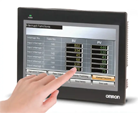
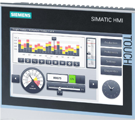





- Industrial display
-
Industrial Products
- DC Servo Drive
- AC Servo Drive
- Industrial board
- Siemens
- Switch Sensor
- Proximity Switch
- Temperature Controller
- Protection Relay
- Fiber Optic Sensor
- Encoder
- Fan
- other
- Heidelberg
- MITSUBISHI
- FANUC
- Siemens adapter
- Fujitsu connector
- Motherboard
- Board
- Contactor
- Circuit
- OMRON
- Relay
- Motor Driver
- power supply
- Cable
- Transformer
- HMI Touch Glass
-
HMI Full Machine Whole unit
- OMRON HMI Touch Panel
- Siemens HMI Touch Panel
- Mitsubishi HMI Touch Panel
- Allen-Bradley automation HMI Touch Panel
- DELTA HMI Touch Panel
- Proface HMI Touch Panel
- KINCO DELTA HMI Touch Panel
- HITECH HMI Touch Panel
- WEINTEK HMI Touch Panel
- TECVIEW HMI Touch Panel
- WEINVIEW HMI Touch Panel
- PANASONIC HMI Touch Panel
- KYOCERA HMI Touch Panel
- SCHNEIDER HMI Touch Panel
- Module
- lcd inverter
- Membrane Keypad Switch
- Zhiyan Customized Touch Screens
- Frequency Inverter
- Servo Motor
- PLC
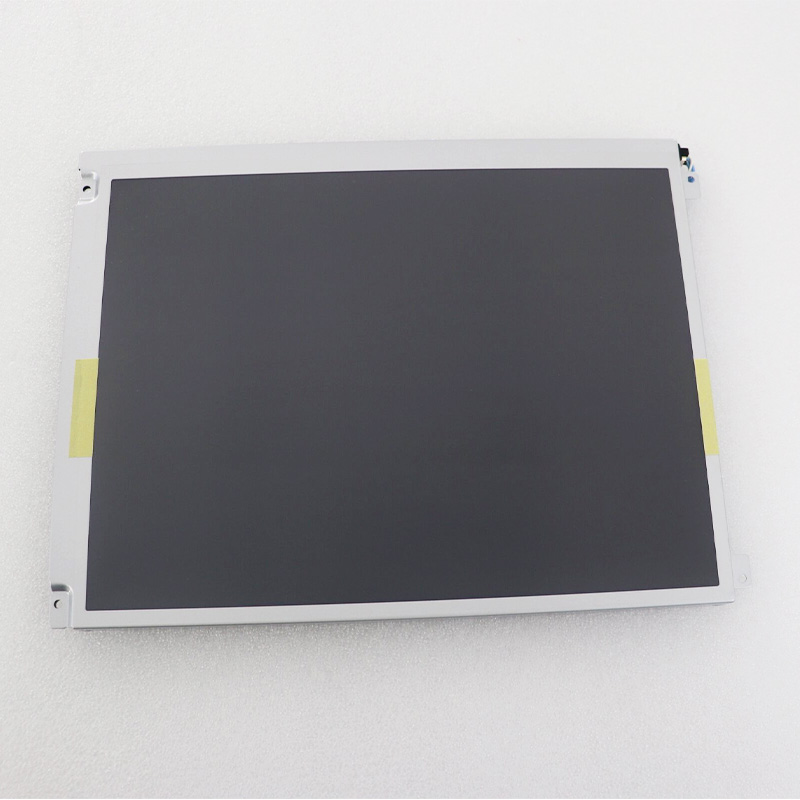
In the demanding world of industrial automation, process control, and ruggedized equipment, the display interface is far more than a simple window to data—it is a critical component of reliability, durability, and operational clarity. At the heart of many such robust systems lies a specific class of components: industrial-grade LCD screens. This article delves deep into one such exemplary model, the LCD display AA121SL23, a 12.1-inch panel with a resolution of 800 x 600 pixels.
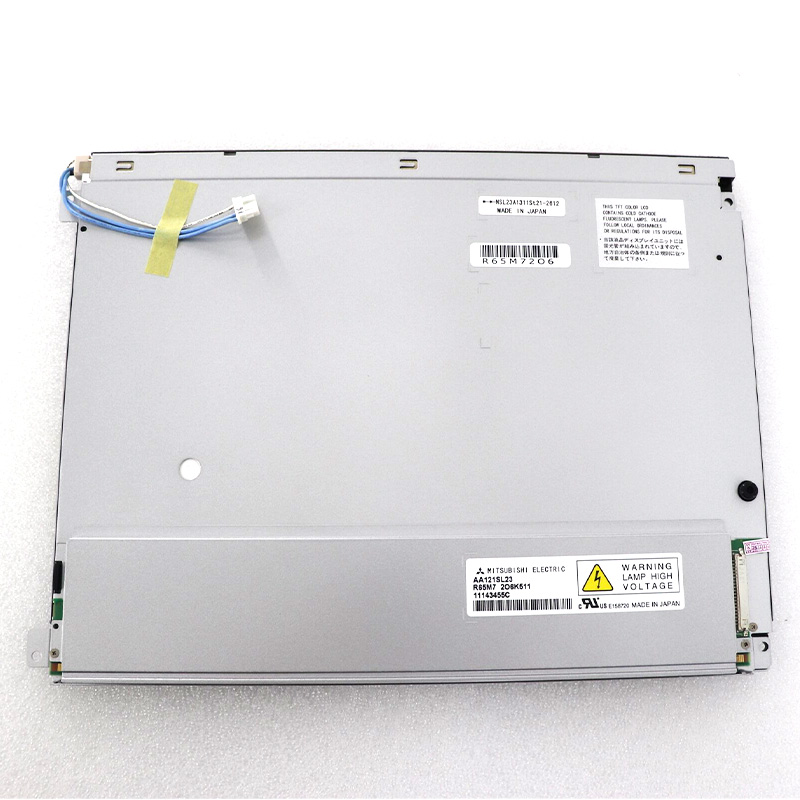
Moving beyond basic specifications, we will explore what truly differentiates this industrial screen from its commercial counterparts. We will dissect its core technical attributes, the significance of its physical and electrical characteristics, and the specific environmental challenges it is engineered to conquer. Furthermore, we will examine its typical integration pathways and the pivotal role it plays across diverse industrial sectors. Our goal is to provide engineers, system integrators, and procurement specialists with a comprehensive understanding of why the AA121SL23 is not just a display, but a foundational element for building resilient human-machine interfaces.
Defining the Industrial Display: Beyond Consumer Specs
The AA121SL23 belongs to a category of components designed for a lifecycle and environment vastly different from consumer tablets or monitors. While its 12.1-inch diagonal and 800x600 (SVGA) resolution might seem modest, these specs are deliberate choices for industrial applications. The 4:3 aspect ratio is often preferred for displaying legacy machine interfaces, data-heavy SCADA systems, and control panels where vertical screen space is as valuable as horizontal.
Industrial robustness is the key differentiator. This encompasses extended operational temperature ranges, high brightness for readability in sunlit warehouses, and longevity measured in tens of thousands of hours. Unlike consumer screens built for aesthetics and frequent replacement, the AA121SL23 is engineered for continuous operation, stability, and reliability over many years, often in 24/7 settings. Its value is measured in uptime and total cost of ownership, not just pixel density.

Anatomy of the AA121SL23: Core Technical Breakdown
At its core, the AA121SL23 typically utilizes a TFT (Thin-Film Transistor) LCD panel with an LVDS (Low-Voltage Differential Signaling) interface. The 800x600 resolution provides a clear, legible image for text, numbers, and schematic graphics without imposing excessive processing load on industrial PCs or embedded controllers. The screen's native landscape orientation and specific active area dimensions are precisely defined for seamless integration into panel cutouts.
Critical to its performance is the backlight system. Industrial screens often employ high-grade CCFL (Cold Cathode Fluorescent Lamp) or, in newer versions, ruggedized LED arrays. These are calibrated for consistent brightness and color temperature over time. The model number also implies a standardized pin configuration and mounting pattern, ensuring compatibility with a range of controllers and chassis. Understanding these electrical and mechanical specifications is the first step in successful integration.
Engineered for Adversity: Environmental Durability Features
This is where the AA121SL23 truly proves its mettle. Industrial environments present a host of challenges: extreme temperature fluctuations, conductive dust, moisture, vibration, and electromagnetic interference. This display is built to withstand these stresses. Its operating temperature range often spans from -20°C or lower to 70°C or higher, ensuring functionality in unheated warehouses or near hot machinery.
The construction involves reinforced connectors, sturdy metal bezels, and often optical bonding techniques. Optical bonding fills the air gap between the LCD glass and the front touch panel (if equipped) with a resin. This eliminates internal condensation, reduces glare, enhances readability under bright light, and makes the screen more resistant to physical shock and vibration. This resilience to environmental factors is a non-negotiable feature for any true industrial display.
The Integration Pathway: Interfaces and Compatibility
Integrating a display like the AA121SL23 into an industrial system requires careful attention to interfaces and signal compatibility. The primary video input is typically LVDS, a digital interface known for its noise immunity and reliability over longer cable runs within equipment. This requires a compatible LVDS output from the host controller or an appropriate converter board if only VGA or HDMI outputs are available.
Beyond video, integration considers power requirements (often 12V or 24V DC), the potential inclusion of a resistive or capacitive touchscreen overlay (with its own USB or serial interface), and physical mounting. The display is designed as a drop-in component for system builders, with standardized mounting holes and bezel dimensions that align with industrial panel PC designs and enclosure cutouts, streamlining the assembly process.
Application Landscapes: Where the AA121SL23 Excels
The application spectrum for this industrial screen is broad and mission-critical. It is a common sight in Factory Automation and Process Control, serving as the HMI for PLCs, CNC machines, and packaging lines, displaying real-time metrics and control buttons. In Transportation and Logistics, it functions in fleet management terminals, forklift dashboards, and warehouse sorting systems, enduring constant movement and temperature changes.
Further uses include Medical Diagnostic Equipment (where reliability is paramount), Kiosks and POS systems in harsh retail or outdoor environments, and Utility and Energy substation monitoring. In each case, the AA121SL23 provides a dependable, clear visual interface that operators can trust in high-stakes, durable applications where consumer displays would rapidly fail.
Selection and Procurement Considerations
Selecting the right industrial display involves more than matching size and resolution. For the AA121SL23 or its equivalents, key considerations include: verifying the exact interface type (LVDS pinout), required brightness (nits) for the installation ambient light, the need for a touchscreen and its type, and the specific temperature rating for the application environment.
Procurement should focus on suppliers specializing in industrial components, emphasizing long-term availability to support the extended lifecycle of the end product. Evaluating the total solution, including driver board compatibility, cables, and mounting hardware, is crucial. The goal is to secure a reliable, consistent supply of a display that will perform identically in units manufactured years apart.
FAQs: LCD Display AA121SL23
1. What is the primary use of the AA121SL23 display?It is designed for industrial HMI applications requiring durability, long-term reliability, and operation in harsh environments.
2. What does "800*600" resolution mean for an industrial screen?It provides SVGA clarity, ideal for displaying control interfaces, data readouts, and graphics without unnecessary processing overhead.
3. Can this display operate in very cold or hot conditions?Yes, industrial screens like the AA121SL23 typically have a wide operating temperature range (e.g., -20°C to 70°C).
4. What is LVDS, and why is it used?LVDS is a robust digital video interface resistant to electrical noise, making it ideal for industrial settings with long cable runs.
5. Does the AA121SL23 usually include a touchscreen?It is often available as a panel-only or with an integrated resistive/capacitive touchscreen overlay as an option.
6. How is it different from a consumer computer monitor?It is built for 24/7 operation, wider temperature ranges, higher brightness, vibration resistance, and much longer product life.
7. What is optical bonding, and is it important?It laminates the glass layers, improving readability in bright light and enhancing durability against shock and condensation. It's a key industrial feature.
8. What power supply does it need?It commonly requires a single DC power input, such as 12V or 24V, consistent with industrial power systems.
9. Where can I source this display?Through specialized industrial electronic component distributors or directly from manufacturers of industrial panel PCs and HMIs.
10. How long is its typical lifespan?The backlight lifespan is often rated at 50,000 hours or more, supporting years of continuous operation.
Conclusion
The LCD display AA121SL23 exemplifies the engineering philosophy behind critical industrial components: purpose-driven design over superficial specs. Its value lies not in ultra-high resolution, but in its predictable performance, environmental fortitude, and seamless integration into systems where failure is not an option. From factory floors to mobile utility vehicles, it provides the reliable visual link between complex machinery and human operators.
Choosing such a display is a strategic decision that impacts the longevity, usability, and total cost of ownership of the entire industrial system. By understanding its technical foundations, durability features, and application fit, engineers and buyers can make informed decisions that ensure interface reliability for years to come. In the industrial realm, the right display is an investment in operational resilience.





