
Products ![]()
![AUO]()
![BOE]()
![Innolux]()
![KOE]()
![Kyocera]()
![LG]()
![NEC]()
![SAMSUNG]()
![SHARP]()
![TIANMA]()
![DC Servo Drive]()
![AC Servo Drive]()
![Industrial board]()
![Siemens]()
![Switch Sensor]()
![Proximity Switch]()
![Temperature Controller]()
![Protection Relay]()
![Fiber Optic Sensor]()
![Encoder]()
![OMRON HMI Touch Panel]()
![Siemens HMI Touch Panel]()
![Mitsubishi HMI Touch Panel]()
![Allen-Bradley automation HMI Touch Panel]()
![DELTA HMI Touch Panel]()
![Proface HMI Touch Panel]()
![KINCO DELTA HMI Touch Panel]()
![HITECH HMI Touch Panel]()
![Infineon]()
![MITSUBISHI]()
![IC]()
![ABB]()
![TOSHIBA]()
![IXYS]()
![SANREX]()
![SEMIKRON]()


AUO
AUO B173RW01 V0 17.3" HD+ (1600x900) Laptop LCD Replacement Screen
M250HTN01.8 AUO 24.5 Inch FHD 240Hz V‑by‑One TN LCD Panel
AUO M250HTN01.7 24.5" 240Hz FHD TFT LCD Panel
t215hvn051 auo 215 inch lcd pane html
M195XTN01.0 AUO 19.5" WXGA TN LCD Module 1366×768 Single LVDS 30Pin

BOE
TV101WUM-NH0 10.1" BOE LCD Panel - WUXGA 1920x1200 IPS Screen
HX104X01-212 10.4" BOE Hydis LCD Panel - XGA 1024x768 Display
HV236WHB-N00 23.6" BOE LCD Open Cell - WXGA 1366x768 Monitor Panel
BOEV320WX1 31.5" BOE LCD Panel - HD 1366x768 TV Replacement Screen
TV101WUM‑NH0 BOE 10.1 Inch 1200×1920 MIPI ADS LCD Panel

Innolux
M185BGE-P02 18.5" Innolux LCD Panel - WXGA 1366x768 Display
Innolux G215HCJ-L02 21.5 Inch TFT LCD Display 1920x1080 Full HD Panel
Innolux M185BGE‑P02 18.5 Inch Open‑Cell Screen Replacement For Monitor
Innolux G101B1-L01 10.1" Industrial LCD Display Panel 1280x800
Innolux G101ICE-LH2 10.1" Industrial LCD Display Panel 1280×800 LVDS

KOE
KOE LMG6370XTBC Industrial LCD panel
KOE LMG7401PLBC 5.1" Industrial LCD Display Panel 240×128 Monochrome
KOE LMG7400PLFC 5.1" Industrial LCD Display Panel 240×128 Monochrome
KOE LMG6402PLFR 5.1" Industrial LCD Display Panel 240×128 Monochrome
KOE LMG6401PLGE 5.1" Industrial LCD Display Panel 240×128 Monochrome

Kyocera
Kyocera KG057QVLCE-G050 5.7" Industrial LCD Display Panel 320×240 Datasheet
Kyocera KG057QVLCD-G020 5.7" Industrial LCD Display Panel 320×240 Color
Kyocera LEDBL51750A-W LED Backlight Module for 6.5" LCD Panel - Zhiyan
Kyocera KG104VG1AA-G03-54-24-77 10.4" Industrial LCD Display Panel 800×600 TTL RGB
Kyocera KG104VG1AA-G02-13-14-6 10.4" Industrial LCD Display Panel 800×600 TTL RGB

LG
LM315WR1-SSC1 32" LG 4K LCD Panel - UHD 3840x2160 Display
LC230EUE-TDA1 23" LG LCD Panel - FHD 1920x1080 TV Screen
LC320DXE-SFR1 32" LG LCD Panel - HD 1366x768 Replacement Screen
LM340UW4‑SSA1 LG 34 Inch 3440×1440 Curved IPS eDP LCD Panel
LC230EUE‑TDA1 LG 23 Inch FHD 1920×1080 IPS LCD Panel

NEC
NL204153AM21-18E NEC 21.3 inch 2048*1536 lcd display panel
NL8060BC31-51C NEC 12.1 inch 800*600 tft lcd module
NL8060BC31-41C NEC 12.1 inch 800*600 lcd display screens
NL8060AC21-21D NLT 8.4 inch 800*600 lcd display panel
NL8048BC2406 NEC 9 inch 800*480 tft lcd module

SAMSUNG
ATNA56WR06-0 15.6" Samsung OLED Panel - 4K 3840x2160 Laptop Screen
LSC400HN02-G 40 Inch TV Replacement Screen - Samsung LCD Panel
LTM270HP02‑W Samsung 27 Inch FHD 144Hz PVA LVDS LCD Panel
ATNA56WR06‑0 Samsung 15.6 Inch 4K UHD AM‑OLED eDP LCD Panel
LSM270DP01 Samsung 27 Inch QHD 144Hz Curved Open Cell LCD Panel

SHARP
Sharp LS800HT9601 8.0" 800×600 Industrial LCD Module LED
Sharp LS035Y3DE01 3.5" 320×240 Industrial LCD Module LED
Sharp LS124M5LZ01 12.4" 1920x720 High Brightness Industrial LCD Module
Sharp LS055T3SX05 5.5" 1080x1920 Full HD Industrial LCD Module
Sharp LS055R1SX03 5.5" 1440x2560 QHD Industrial LCD Module

TIANMA
Tianma LTBE9S372JCK 3.7" Industrial TFT LCD Display Panel in stock
Tianma P1210WXF1MB10SE01 12.1" Industrial LCD Display Panel 1280×800 LVDS WLED
Tianma TM084QDSG11-00-BLU1-02 8.4" Industrial LCD Display Panel 800×600 LVDS LED Backlight
Tianma P1210WSF1MFAA 12.1" Industrial LCD Display Panel 1280×800 LVDS WLED
Tianma P1210XGF1MA01DD01 12.1" Industrial LCD Display Panel 1280×800 LVDS WLED
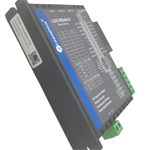
DC Servo Drive
Fuji servo drive RYH751F6-VV2
Delta VFD-M frequency converter operation control panel M series controller LC-M02E
For other models, please consult customer service
Delta servo drive ASD-A2-0121 0421 0721 1021 1521 2023-M-F-L-E
For other models, please consult customer service
Mitsubishi servo motors HG-KR43/KR23/KR13/KR43B/KR73/KR053/B For other models, please consult customer service
Mitsubishi servo motors HG-KR43/KR23/KR13/KR43B/KR73/KR053/B
For other models, please consult customer service
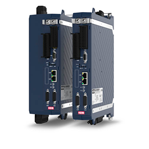
AC Servo Drive
R88M-G40030H-S2-D servo motor new
Mitsubishi J2S series servers MR-J2S-10A-20A-40A-60A-70A-100A-200A-350A/B For other models, please consult customer service
Mitsubishi J2S series servers MR-J2S-10A-20A-40A-60A-70A-100A-200A-350A/B For other models, please consult customer service
Mitsubishi J2S series servers MR-J2S-10A-20A-40A-60A-70A-100A-200A-350A/B
For other models, please consult customer service
Mitsubishi J4 server MR-J4-10A-20A-40A-60A-70A-100A-200A-350A/B-RJ。For other models, please consult customer service
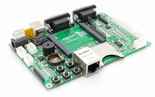
Industrial board
SBC86807 V2.0 Industrial Single Board Computer
ASRock IMB-150D J1900 ASRock Industrial Control Motherboard
BGDR-11C original can replace BGDR-01C ABB frequency converter trigger drive board 3AXD50000049025 for ABB 880/580 series new
3AXD50000006010 standard upgrade software ZMU-02 ABB inverter storage program software card new standard N2000 upgrade N5050

Siemens
Siemens A5E00768956 new S120 frequency converter driver board with module FS450R12KE4
Siemens original new A5E00983841 S120 frequency converter 132A 200A drive power board
C98043-A7002-L4 brand new original 6RA70 power board 6RY1703-0DA02 new original
Siemens 6RA70 control board CUD1 board C98043-A7001-L2 motherboard 6RY1703-0AA01
C98043-A7002-L16RA70 irreversible power board trigger board 6RY1703-0DA01 new original
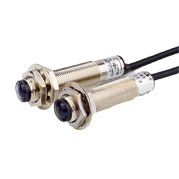
Switch Sensor
Omron E3JM-DS70M4 R4M4T-G 10M4-G-N 10DM4T-10L-NN Switch Sensor, brand new and original. For other models, please consult customer service.
Omron E2S-W23/W21/E2S-Q21/W22/W25/Q23-Q11/W13 Switch Sensor, brand new and original. For other models, please consult customer service.
Omron E3JM-DS70M4 R4M4T-G 10M4-G-N 10DM4T-10L-NN Switch Sensor, brand new and original. For other models, please consult customer service.
Turck proximity switch Bi2-M12-AP6X-H1141
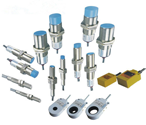
Proximity Switch
Autonics proximity sensor PR30-4DN/10DN/15DN-15DP-15DN2-15DP2 AO
Autonics proximity sensor PR30-10DN/15DN-15DP-15DN2-15DP2 AO
Schneider Electric/ new and original XCSE7512 plug-in safety door lock switch
Schneider Electric/ new and original XCSE7511 plug-in safety door lock switch
Schneider Electric/ new and original XCSE7311 / XCSE7312 plug-in safety door lock switch
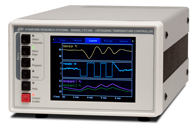
Temperature Controller
DIXELL Elf Single Output Thermostat XR30CX Emerson Genuine
HANYOUNG temperature controllers DX9-KMWNRA, DX9-KMWNR DX9-KSWNR DX9-KCWNR DX9-PMWNR DX9-PSWNR are original and new. For other models, please consult customer service
Omron temperature controllers E5CSL-RTC/QTC/RP E5CWL-R1TC/Q1TC E5EWL-R1TC/Q1TC original and new.
FE Fuji Temperature Controller PXF9AEY2-1W100 250V10A new
FE Fuji Temperature Controller PXF9ACY2-1W100 250V10A new
Protection Relay
Japan Fuji Thermal Relay TR-N5/3 65-95A
LY4N-J relay Omron AC24V AC110V 220V DC12V DC24V DC48V wide 14 pin 10A with base PTF14A-E. For other voltages, please consult customer service
LY2N-J relay Omron AC24V AC110V 220V DC12V DC24V DC48V wide 8-pin 10A with base PTF08A-E. For other voltages, please consult customer service
Imported original Omron relay G2R-1-E DC24V 1 open 1 close 8-pin
Brand new original genuine Omron relay G2R-2-SN (L) DC24V 2 open 2 close 8-pin
Fiber Optic Sensor
New FU-45X/46/49X/49U cylindrical fiber optic sensor
German SICK color code sensor KT5G-2N1111S16 brand new original
For other models, please consult customer service
Omron photoelectric switch E3Z-D61 2M/E3Z-D62 2M/E3Z-D81 2M/D82/D86/D87 2M, brand new and original. For other models, please consult customer service
Encoder
HES-25-2MHT-800-050-00E brand new Japanese NEMICON original encoder
48T3-25-5MD-98-L Internal Control Original Genuine NEMICON Encoder
NOC-S5000-2MD-8-050 brand new Japanese imported NEMICON encoder
Mitsubishi servo encoder OSA18/OSA24R OSA17-020 OSA14 OSA17-060
For other models, please consult customer service
A860-2000-T301/2000-T321 Fanuc Encoder. For other models, please consult customer service
OMRON HMI Touch Panel
Original Omron touch screen NS8-TV01B-V2
Omron HMI NS8-TV00B-ECV2 NS10-TV01B-V2 V2 NS12 is brand new and original. For other models, please consult customer service
NB5Q-TW01B HMI new
ME571 ME571K ME571KL K008 LCD Touch Panel
Siemens HMI Touch Panel
Siemens touch screen 6AV6545-0CC10-0AX0
6AV2124 6AV2 124-0GC01-0AX0 TP700 KP700 Siemens HMI brand new and original
Brand new Siemens 6AV6647-0AF11-3AX0 6AV6 647-0AF11-3AX0 touch screen KTP100
Mitsubishi HMI Touch Panel
Mitsubishi Touchscreen GT2512-STBD
Mitsubishi HMI GS2107-WTBD-N GS2110-WTBD GT2103 GT2104-RTBD, please consult customer service for other models
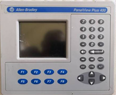
Allen-Bradley automation HMI Touch Panel
HMI Allen-Bradley 2711-T6C15L1 1.43 KG US PanelVie
Rockwell AB HMI 2711P-B4C20D 2711P-B4C5D 2711PC-K4M20D
For other models, please consult customer service
2711R-T7T/T4T/T10T Rockwell AB HMI PV800 7-inch touch screen.For other models, please consult customer service
Rockwell AB HMI 2711P-T6M5D 2711P-T6M8D 2711P-K4C20A
For other models, please consult customer service
2711R-T7T/T4T/T10T Rockwell AB HMI PV800 7-inch touch screen.For other models, please consult customer service
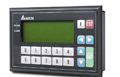
DELTA HMI Touch Panel
Delta touch screen/human-machine interface 10.1inch DOP-110IS
Delta human-machine interface/10-inch/DOP-110WS original new
Delta human-machine interface/4.3-inch/DOP-103WQ original new
Delta human-machine interface/4.3-inch/DOP-103BQ original new
Delta human-machine interf10-inch/DOP-110DS original new

Proface HMI Touch Panel
Pro-face GP-4402WW PFXGP4402WADW HMI 全新原装
Pro-face GP-4301T PFXGP4301TAD, HMI brand new original
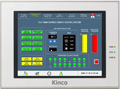
KINCO DELTA HMI Touch Panel
Kinco GL100 touch screen brand new genuine product
Kinco touch screen GL070E brand new genuine product
Kinco touch screen GL070 brand new genuine product
Kinco touch screen GL043E brand new genuine product
Kinco GL043 4.3 inch Industrial touch screen in stock
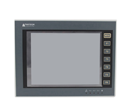
HITECH HMI Touch Panel
Haitech PWS6710T-N HMI with new packaging
Haitech PWS6710T-P HMI with new packaging
PWS6A00T-P Hitech Industrial Touch Screen 10.4-inch HITECH with new packaging
PWS6A00T-N Hitech Industrial Touch Screen 10.4-inch HITECH with new packaging
PWS6A00T-N Hitech Industrial Touch Screen 10.4-inch HITECH New Original
Infineon
Infineon IGBT power module FZ1000R12KF5。For other models of Infineon series, please consult customer service
Infineon IGBT power module FZ1200R16KF4
Infineon IGBT power module FF1600R12KF4
Infineon IGBT power module FF800R12KE3
Infineon BSM50GX120DN2 BSM150GT120DN2 BSM100GT120DN2 IGBT module
MITSUBISHI
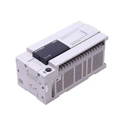
Original Mitsubishi PLC power module Q61P
Mitsubishi PM75RL1A120 PM75CLB120 PM50RL1A120 PM50CL1B120 IGBT Module 1200V 75A New
IGBT IPM PM75RLA120 PM75CLB120 PM50RL1A120 PM50CL1B120
IC
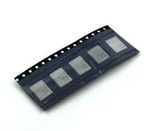
INTEL CPU brand new original N270 SLB73 1.60GHz/512/533 BGA.
Samsung brand new original K4ZAF325BM-HC18 K4ZAF325BM-HC14 K4ZAF325BM-HC16 DDR6 BGA. For other models, please consult customer service.
INTEL brand new original J1900 SR1UT J1800 SR1OU J1900 SR1SC SR1SG J2900 SR1SB. For other models, please consult customer service.
KP-2012YC Kingbright yellow LED beads, brand new and original. For other models, please consult customer service.
ABB
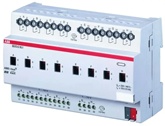
ABB module RPBA-01 FPBA-01 RMBA FDNA RTAC FPNO-21 11 RDCO-01C FEN-31 For other models, please consult customer service
ABB module RPBA-01 FPBA-01 RMBA FDNA RTAC FPNO-21 11 RDCO-01C FEN-31 For other models, please consult customer service
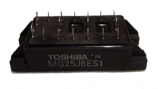
TOSHIBA
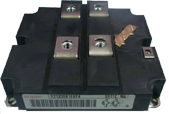
MIG30J103HB MIG20J103H MIG30J103H MIG30J103HA Toshiba module
MG15Q6ES42/MG25Q6ES42 Toshiba Power Module 6-Pack IGBT, 1200V, 15A
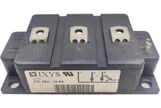
IXYS
Original IXYS MDD142-14N1B Dual Diode Rectifier Module Industrial Grade
IXYS thyristor module VHF36-08io5 VHF36-12io5 For other models, please consult customer service
IXYS thyristor module MCMA240UI1600ED-XL For other models, please consult customer service
IXYS thyristor module MCC95-12I01B MCC95-18IO1B For other models, please consult customer service
IXYS thyristor MCC26-16IO1B MCC26-16I01B IXYS brand new
For other models, please consult customer service
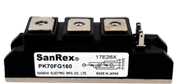
SANREX
SANREX thyristor PK200HB160 PK200HB120 PK250HB160 PK250HB120 For other models, please consult customer service
DFA150AA160 DFA200AA160 DFA100BA160 MDST200-16 MDST200-16 MDST2501862 module new
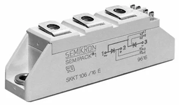
SEMIKRON
SEMIKRON rectifier bridge module SKKH57/42/72/14E/16E original disassembly thyristor SKKT92/57/72/14E/16E
IGBT SKD146/16-L140T4, Bridge Rectifier Modules
IGBT module SKD145/16 SKD115/16 SKD145/18 SEMIKRON NEW
IGBT module SKD 53/16 SKD53/16 SKD83/16 SKD33/16 SEMIKRON NEW
IGBT module SKIIP26AC126V1 SEMIKRON 88A, 1200V NEW





