



















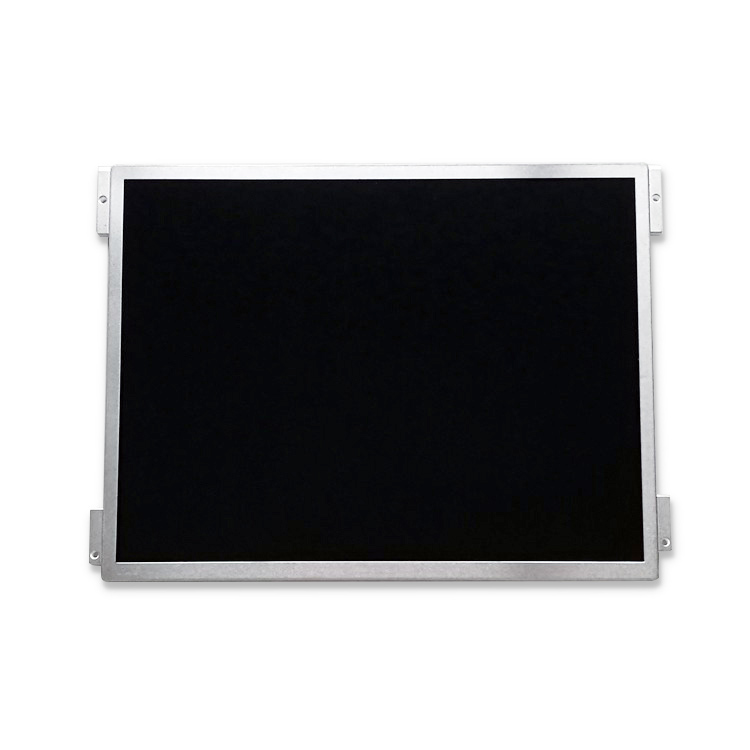
In the intricate world of industrial and embedded display solutions, specific component models often become the unsung heroes powering critical applications. One such component is the G104XVN01.0, a 10.4-inch TFT-LCD module engineered by AUO (AU Optronics). This display is not a consumer-grade panel but a precision instrument designed for environments where reliability, longevity, and consistent performance are non-negotiable. Its specification of 1024(RGB)×768 (XGA) resolution represents a deliberate and enduring standard in various professional sectors.

This article delves into the technical essence and application rationale of the AUO G104XVN01.0. We will move beyond basic datasheet parameters to explore the engineering choices behind its a-Si TFT technology and XGA format, its structural composition as an LCM, and the specific market niches it serves. By understanding its strengths and inherent design context, system integrators and product developers can make informed decisions about when this display is the optimal solution and what future considerations might be.
Decoding the Specification: The Significance of XGA in a Modern Context
The 1024 x 768 pixel array, known as XGA (Extended Graphics Array), is a cornerstone resolution in the display industry. For a 10.4-inch diagonal screen, this yields a pixel pitch and density that offers a balanced mix of sharpness and component compatibility. Unlike consumer markets chasing 4K on small screens, industrial and medical applications often prioritize signal compatibility, lower system processing load, and cost-effectiveness. The XGA standard is natively supported by a vast legacy of embedded systems, industrial PCs, and single-board computers, minimizing interface complexity.
Furthermore, the 4:3 aspect ratio of this display is a critical functional feature, not an outdated relic. It is ideally suited for displaying traditional data interfaces, diagnostic equipment readouts, and vertical market software that was designed for this screen proportion. In applications like machine control panels or laboratory instruments, the squarer format allows for optimal layout of control buttons, data logs, and visual feedback without the wasted space or awkward scaling common when forcing 4:3 content onto a widescreen.
a-Si TFT Technology: The Bedrock of Reliability and Maturity
At the heart of the G104XVN01.0 lies amorphous Silicon (a-Si) Thin Film Transistor technology. This is the most mature and widely adopted active-matrix LCD technology. Its primary advantages in an industrial context are proven long-term reliability, excellent production yield, and cost stability. a-Si TFTs provide consistent performance over a wide operating temperature range, which is a prerequisite for displays deployed in factory floors, transportation, or outdoor kiosks.
While newer technologies like LTPS (Low-Temperature Polycrystalline Silicon) offer higher electron mobility for higher resolutions or integrated drivers, a-Si remains the workhorse for standard-resolution modules like this XGA panel. Its manufacturing ecosystem is robust, ensuring long-term supply availability—a crucial factor for products with multi-year lifecycles. The technology delivers stable color performance and sufficient contrast ratio for most human-machine interface (HMI) and monitoring tasks, making it a technically sound and economically prudent choice.
The LCM Advantage: Integration for Simplified System Design
The designation LCM (LCD Module) is pivotal. It signifies that the G104XVN01.0 is not just a bare glass panel but a fully integrated unit. It typically includes the LCD glass, the driver ICs, the backlight unit (likely CCFL or LED), and a controller board, all assembled into a single mechanical structure. This level of integration dramatically reduces engineering overhead for the OEM (Original Equipment Manufacturer).
System designers receive a "plug-and-play" display subsystem that accepts standard video signals (often LVDS in such modules). They are spared the deep, complex engineering required to interface with raw display timing controllers and manage backlight inverters. This integration accelerates time-to-market, reduces R&D risk, and simplifies the supply chain. The module is designed to be mechanically dropped into a chassis, with its interface connector and power requirements clearly defined, allowing designers to focus on their core application logic.
Target Applications: Where the G104XVN01.0 Excels
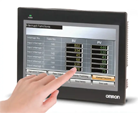
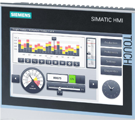
The specific characteristics of this module define its ideal application landscape. It is a premier choice for industrial automation, medical devices, and point-of-sale/information systems. On the factory floor, it serves as the visual interface for PLC-controlled machinery, CNC operators, and process monitoring stations, where readability under various lighting conditions and resistance to vibration are key.
In medical diagnostics and monitoring equipment, the stable performance, lack of flicker, and consistent grayscale reproduction are essential. Devices like patient monitors, ultrasound systems, or diagnostic analyzers benefit from its reliable operation. Furthermore, the 4:3 aspect ratio is often a perfect fit for the portrait orientation used in many medical information displays. For kiosks, retail POS systems, and transportation information panels, its durability and standard interface ensure long service life with minimal maintenance.
Critical Interface and Performance Parameters
Evaluating this module requires a deep look at its interface and environmental specs. The video interface is likely a single or dual-channel LVDS (Low-Voltage Differential Signaling), a noise-resistant standard perfect for industrial environments. Power requirements for the panel and backlight must be carefully matched with the system's power supply design.
Key performance parameters include brightness (typically 300-500 nits for indoor use), contrast ratio, viewing angles (both horizontal and vertical), and color gamut. Perhaps more importantly are the operating and storage temperature ranges, which define its deployment boundaries. Shock and vibration resistance specifications are vital for mobile or heavy machinery applications. Understanding these parameters in the context of the target environment is what separates a successful integration from a field failure.
Lifecycle Considerations and Future-Proofing Strategies
Industrial components like the G104XVN01.0 have extended lifecycles, often spanning 5-10 years or more. However, planning for obsolescence is critical. AUO, as a major manufacturer, typically provides long-term support, but designers must have a strategy. This involves securing adequate inventory buffers, understanding second-source or compatible alternatives, and modularizing the design to allow for a future display replacement with minimal redesign.
Future-proofing also involves assessing the long-term viability of the XGA standard and 4:3 aspect ratio for the specific application. While these remain deeply entrenched in many fields, new systems should evaluate if future software or UI trends might necessitate a widescreen format. The decision to select this module should be a conscious one, balancing its current perfect fit against the projected technological landscape of the product's entire service life.
FAQs: G104XVN01.0 AUO 10.4" LCD Module
1. What does "a-Si TFT-LCD" mean?It stands for amorphous Silicon Thin-Film Transistor Liquid Crystal Display, a mature and reliable technology for controlling individual pixels.
2. Why is the resolution 1024x768 (XGA) still relevant?XGA is a stable, widely-supported standard ideal for industrial and medical software interfaces, offering a good balance of clarity and system compatibility.
3. What is an LCM?LCD Module. It means the display is a fully integrated unit with glass, drivers, backlight, and often a controller, simplifying system integration.
4. What is the typical backlight for this module?Older versions may use CCFL, but modern versions typically feature an LED backlight for longer life, lower power, and better dimming.
5. What are the main interface types for this display?It most commonly uses an LVDS (Low-Voltage Differential Signaling) digital interface for robust data transmission.
6. What are the primary applications for this display?Industrial HMIs, medical monitoring equipment, POS systems, kiosks, and transportation information displays.
7. What are the advantages of the 4:3 aspect ratio?It optimally displays traditional software interfaces, control panels, and portrait-oriented data without wasteful screen space.
8. How does temperature affect this display?It is rated for specific operating/storage temperature ranges; exceeding these can cause slow response, dimming, or permanent damage.
9. Can this display be used in sunlight?Standard versions (300-500 nits) are for indoor use. Sunlight-readable applications require a high-brightness variant (1000+ nits) and often an optical bonding service.
10. How do I manage the risk of this model being discontinued?Work with distributors for lifecycle forecasts, consider inventory banking, and design your system mechanically and electrically to allow for a future compatible replacement.
Conclusion
The AUO G104XVN01.0 10.4-inch XGA LCD module exemplifies how a technologically mature, well-specified component can be the optimal solution in professional contexts. Its value lies not in chasing consumer display trends but in delivering reliable performance, seamless integration, and long-term stability for mission-critical systems. The choice of a-Si TFT technology, the XGA resolution, and the 4:3 aspect ratio are interconnected decisions that serve specific industrial, medical, and commercial use cases.
For engineers and product managers, selecting this module is a strategic decision. It promises reduced development complexity and proven field reliability but requires careful consideration of interface requirements, environmental conditions, and long-term supply chain planning. In a world of rapid technological change, the G104XVN01.0 stands as a testament to the enduring need for specialized, robust, and purpose-built display solutions that simply work, year after year.





