In the demanding world of industrial automation, public transportation, and outdoor digital signage, the display is not merely an interface—it is the critical nexus of information, reliability, and human-machine interaction. Standard consumer-grade screens falter under the harsh glare of the sun, the extremes of temperature, and the relentless 24/7 operational cycles. This is where purpose-built industrial displays, like the LCD display AA065VD11, step into the spotlight. This 6.5-inch panel, with its 640*480 (VGA) resolution, is engineered not just to show an image, but to perform as a durable, unwavering component in systems where failure is not an option.


This article delves deep into the specifications, technology, and application scenarios of the AA065VD11. We will move beyond the basic datasheet to explore the engineering principles behind its high-brightness performance, the robustness required for outdoor and industrial environments, and the integration considerations that make it a preferred choice for engineers and system integrators. From its optical bonding techniques to its wide-temperature operation, we will unpack what truly defines an industrial-grade display solution. Decoding the Core Specifications: More Than Just Size and Resolution
At first glance, the AA065VD11 presents a classic 6.5-inch diagonal with a 4:3 aspect ratio and a VGA (640 x 480) resolution. While this may seem modest compared to high-definition consumer panels, it is a deliberate and optimal choice for industrial applications. The 4:3 format is ideal for legacy machine interfaces, diagnostic equipment, and information panels where vertical space for text and data is crucial. The VGA resolution provides sharp, legible character and graphic display without imposing excessive processing load on embedded control systems, ensuring fast, reliable rendering.
The true essence of this display lies in its luminance rating, typically reaching 1000 nits or higher. This high brightness is the foundational property that enables sunlight readability, a non-negotiable requirement for outdoor use. Combined with a wide viewing angle, these core specs ensure that critical information is visible to operators from various positions and under challenging ambient light conditions, forming the bedrock of its utility.
The Engineering Behind High Brightness and Sunlight Readability
Achieving consistent visibility in direct sunlight is a complex feat of optical engineering. The AA065VD11 employs a high-brightness LED backlight system, which is far more potent and durable than the edge-lit LEDs in consumer TVs. This powerful backlight must be managed effectively to overcome the reflectivity and washout caused by ambient light. The display often incorporates optical bonding technology, where a transparent resin or adhesive layer is applied between the LCD cell and the cover glass.
This bonding process serves multiple critical functions: it eliminates the air gap that causes internal reflections and glare, dramatically improving contrast under bright light. It also enhances the structural integrity of the module and can improve thermal conduction. Furthermore, the cover glass itself is treated with anti-reflective (AR) and anti-glare (AG) coatings to diffuse external light, ensuring the high brightness output is directed effectively to the viewer's eyes rather than being scattered.
Ruggedized Design for Harsh Industrial and Outdoor Environments
Industrial and outdoor deployments subject equipment to a gauntlet of stresses. The AA065VD11 is designed to withstand these challenges through a combination of material choices and component ratings. A key feature is its wide operating temperature range, often spanning from -30°C to +80°C. This ensures functionality in freezing cold or scorching heat, where standard LCD fluids would freeze or become sluggish.
The module is built with a robust metal frame for shock and vibration resistance, crucial for applications in vehicles, factory floors, or mining equipment. It is also designed for long-term reliability with high-grade capacitors and LEDs rated for tens of thousands of hours of continuous operation. Protection against dust and moisture is also considered, with gaskets and sealed designs often available to meet specific ingress protection (IP) standards for panel-mounted units.
Interface and Integration: Connecting to Embedded Systems
The utility of a display module is fully realized only when seamlessly integrated into a larger system. The AA065VD11 typically features low-voltage differential signaling (LVDS) or RGB TTL interfaces. LVDS is the industry standard for robust, noise-resistant data transmission over longer cable runs within a device, making it perfect for industrial control cabinets.
Integration involves more than just the physical connector. Designers must consider the power supply requirements, the timing controller (T-Con) compatibility, and the need for a compatible controller board if the host system does not natively output LVDS. The long-term availability of such industrial-grade components is also a critical factor, as industrial product lifecycles far exceed those of consumer electronics, ensuring system maintainability for a decade or more.
Key Application Scenarios and Use Cases
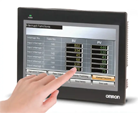
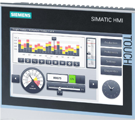
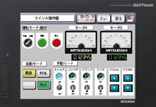
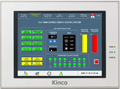
The specific attributes of the AA065VD11 make it indispensable in several vertical markets. In transportation, it serves as the display for bus stop announcement systems, taxi meter backends, or in-cab information terminals for logistics, where sunlight readability is paramount. Within industrial automation, it is found on PLC/HMI interfaces, portable test and measurement devices, and control panels for heavy machinery.
Other critical applications include outdoor payment terminals (like EV charging stations), agricultural and construction vehicle monitors, and ruggedized portable devices for field service. In each case, the display acts as a reliable window into the system's operation, enduring environmental extremes while providing clear, constant feedback.
Comparative Advantages Over Consumer-Grade Alternatives
Choosing a display like the AA065VD11 over a similar-sized consumer panel is a strategic decision driven by total cost of ownership and system integrity. While the upfront cost is higher, it mitigates massive downstream risks. A consumer screen in an outdoor kiosk would fail within months due to temperature cycling, UV degradation, and brightness washout, leading to frequent replacements, downtime, and maintenance costs.
The industrial module guarantees performance specification compliance across the entire temperature range, not just at room temperature. It offers extended product lifecycle support and is supplied with detailed technical documentation for engineering integration. This reliability translates into uninterrupted operation, safety in critical monitoring applications, and ultimately, a lower total cost and higher return on investment for the deployed system.
Frequently Asked Questions (FAQs)
Q1: What is the primary advantage of the 6.5-inch AA065VD11 display?A1: Its primary advantage is high brightness (1000+ nits) combined with rugged construction for reliable outdoor and industrial use.
Q2: Can this display be seen clearly in direct sunlight?A2: Yes, through its high-brightness backlight and typically anti-glare/optically bonded surface, it is designed specifically for sunlight readability.
Q3: What does "optical bonding" mean and why is it important?A3: It's a process that laminates the LCD to the cover glass, reducing glare, improving contrast in bright light, and increasing durability.
Q4: What temperature range can this display operate in?A4: It is designed for a wide temperature range, typically from -30°C to +80°C, suitable for harsh environments.
Q5: What is the most common interface for this module?A5: It most commonly uses an LVDS (Low-Voltage Differential Signaling) interface for robust, noise-resistant data transmission.
Q6: Is the 640x480 resolution sufficient for modern applications?A6: For industrial HMI, instrumentation, and information displays where legibility and low system overhead are key, VGA resolution is often optimal.
Q7: How long is the typical lifespan of this industrial display?A7: Industrial displays like this are rated for tens of thousands of hours of continuous operation, often exceeding 50,000 hours.
Q8: Can it be used in mobile or vibrating equipment?A8: Yes, its construction with a metal frame and robust components makes it resistant to shock and vibration.
Q9: Why choose this over a cheaper consumer LCD panel?A9: For reliability, longevity, guaranteed performance under extreme conditions, and long-term supply—critical for industrial product lifecycles.
Q10: What industries typically use this type of display?A10: Transportation, industrial automation, outdoor digital signage, medical devices, agriculture, and energy sectors.
Conclusion
The LCD display AA065VD11 exemplifies the profound difference between a commodity component and an engineered solution. It transcends the basic function of displaying an image to become a reliable, high-performance node in mission-critical systems. Its value is measured not in pixels alone, but in its unwavering brightness under the midday sun, its steadfast operation across a Siberian winter or a desert summer, and its resilience on a vibrating factory floor.
For system designers and integrators, selecting such a display is a strategic decision that prioritizes long-term system integrity over short-term cost savings. It represents an understanding that in industrial and outdoor applications, the display is a vital point of human interaction with complex technology, and its failure can have significant operational and financial consequences. The AA065VD11, with its focused specifications and rugged design, stands as a testament to engineering for reliability in an unpredictable world.