





















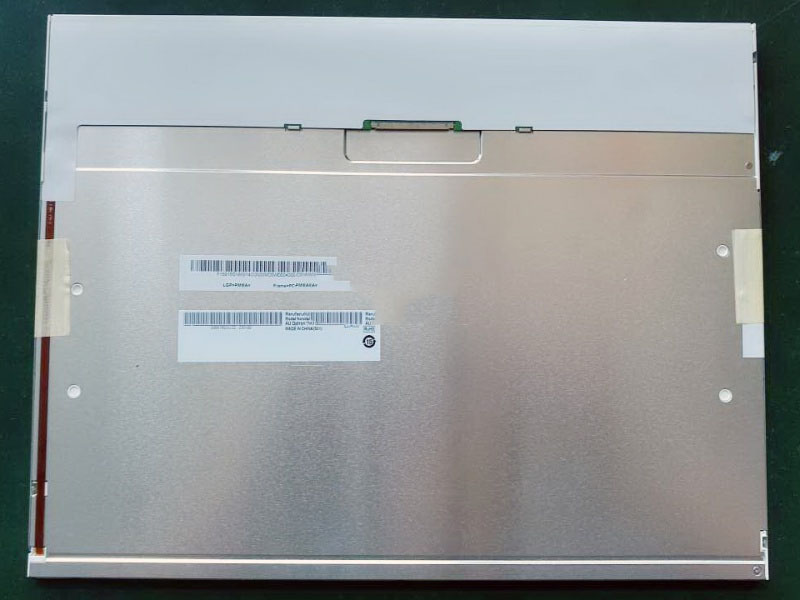
In the intricate ecosystem of electronic devices, the display panel serves as the critical interface between human and machine. For engineers, procurement specialists, and product developers, selecting the right LCD module is a decision that directly impacts performance, reliability, and user experience. This article provides a comprehensive, in-depth analysis of a specific and widely utilized component: the G150XTN06.1 15-inch LCD display panel manufactured by AUO (AU Optronics)
.
Moving beyond basic datasheet specifications, we will delve into the technical architecture that defines this panel, explore its core performance characteristics in real-world applications, and examine its primary use cases across various industries. Furthermore, we will address critical considerations for integration, compare it within the broader market landscape, and provide practical guidance for sourcing and lifecycle management. This exploration aims to equip professionals with the nuanced understanding necessary to make informed decisions regarding this key display component.
Technical Architecture and Core Specifications
The AUO G150XTN06.1 is a 15.0-inch diagonal TFT-LCD module built on an a-Si (amorphous Silicon) Thin Film Transistor process. Its native resolution is 1024 x 768 (XGA), offering a 4:3 aspect ratio that remains relevant for a range of industrial, commercial, and specific medical applications. The panel utilizes a Twisted Nematic (TN) technology, which is known for providing fast response times—a critical factor in reducing motion blur.
Key electrical and optical specifications form the foundation of its performance. It typically operates on a 3.3V power supply for the logic interface and a higher voltage for the backlight inverter. The module features an LVDS (Low-Voltage Differential Signaling) interface, a standard for robust, low-noise data transmission. Its brightness, contrast ratio, and color gamut are engineered for reliability under consistent operation rather than ultra-high-fidelity visual media, making it a workhorse component. Understanding these fundamental specs is the first step in assessing its suitability for a project.
Performance Characteristics and Visual Output
The performance profile of the G150XTN06.1 is defined by the practical outcomes of its technical design. The TN panel technology delivers a response time often in the range of 10-25ms, which is adequate for displaying dynamic data, basic graphical user interfaces, and non-critical video feeds without significant ghosting. The viewing angles, typically around 140 degrees horizontally and 125 degrees vertically, are sufficient for applications where the user is positioned largely directly in front of the display.
Color performance is characterized by a standard gamut, supporting 262K colors (6-bit + FRC). This makes it suitable for applications where accurate color reproduction is not the paramount concern, such as in diagnostic equipment interfaces, industrial control panels, or point-of-sale systems. The balance between speed, clarity, and cost is the defining trait of its visual output, prioritizing functional reliability over cinematic spectacle.
Primary Applications and Industry Use Cases
The specific combination of form factor, resolution, and performance of the G150XTN06.1 targets a well-defined set of applications. Its 4:3 XGA format is a legacy standard that persists in many embedded systems. A primary domain is industrial automation, where it serves as the display for Human-Machine Interface (HMI) panels, machine control units, and test equipment, valued for its durability and stable operation in controlled environments.
Other significant use cases include:
Medical Devices: Patient monitoring systems, diagnostic equipment consoles, and dental imaging displays where consistent, flicker-free performance is essential.
Commercial & Retail: Self-service kiosks, information displays, and legacy point-of-sale terminals.
Transportation & Logistics: Fleet management systems and warehouse control terminals.
In these fields, longevity, part availability, and proven reliability often outweigh the need for the latest display technology.
Integration Considerations and Design Challenges
Successfully integrating the G150XTN06.1 into a product requires careful planning beyond plug-and-play. Engineers must account for its mechanical footprint, including mounting hole patterns and bezel dimensions, to ensure proper chassis design. Electrically, the LVDS interface necessitates a compatible controller board or system-on-chip, with careful attention to signal integrity in board layout.
The backlight system, often a CCFL (Cold Cathode Fluorescent Lamp) in this module type, requires a high-voltage inverter and considerations for heat dissipation and eventual luminance degradation over time. Furthermore, designers must verify compatibility with the operating temperature range and ensure the chosen driving electronics can supply the necessary power sequencing and signal timing. Addressing these challenges upfront is crucial for a stable end product.
Market Context and Alternative Comparisons
Positioning the G150XTN06.1 within the current display market provides perspective. While newer technologies like IPS (In-Plane Switching) offer vastly superior viewing angles and color accuracy, and LED backlighting provides longer life and lower power consumption, the G150XTN06.1 occupies a specific niche. Its advantage lies in cost-effectiveness for applications that do not require premium visual specs, and in its role as a direct replacement part for maintaining and servicing existing equipment manufactured over the past decade.
When evaluating alternatives, one might compare it with other 15-inch XGA panels from manufacturers like Innolux or HannStar, or consider newer 15.6-inch widescreen LED panels. The decision often hinges on a trade-off between modern performance, long-term supply chain availability, and the significant engineering cost of redesigning a product for a new display form factor and interface.
Sourcing, Authenticity, and Lifecycle Management
Procuring a specialized component like this demands a strategic approach. The G150XTN06.1 is often sourced through authorized distributors of AUO or specialized electronic component suppliers. A critical concern is counterfeit risk. Purchasing from non-authorized channels can lead to receiving refurbished, remarked, or out-of-spec panels, jeopardizing product quality.
Lifecycle management is equally important. As a mature product, understanding its EOL (End-of-Life) roadmap is vital for long-term product planning. Strategies include:
Engaging with suppliers for last-time-buy forecasts.
Exploring authorized aftermarket or compatible alternatives.
Considering managed inventory purchases for critical maintenance needs.
Proactive management mitigates supply chain disruption for products dependent on this specific display.
Frequently Asked Questions (FAQs)
Q1: What is the screen size and resolution of the G150XTN06.1?A: It is a 15.0-inch diagonal panel with an XGA resolution of 1024 x 768 pixels (4:3 aspect ratio).
Q2: What type of LCD technology does it use?A: It uses Twisted Nematic (TN) film technology, known for fast response times.
Q3: What is the interface for this display panel?A: It uses an LVDS (Low-Voltage Differential Signaling) interface for data transmission.
Q4: What is the typical backlight type?A: This module typically uses a CCFL (Cold Cathode Fluorescent Lamp) backlight system.
Q5: What are the main applications for this panel?A: Common uses include industrial HMIs, medical monitoring devices, commercial kiosks, and POS systems.
Q6: Is this panel suitable for applications requiring wide viewing angles?A: No, TN technology has limited viewing angles compared to IPS. It is best for front-facing applications.
Q7: How do I ensure I am buying an authentic AUO panel?A: Source from authorized AUO distributors or reputable, specialized suppliers with a proven track record.
Q8: Can this panel be used as a direct replacement for a failed display in old equipment?A: Yes, it is commonly used as a replacement part, but mechanical, electrical, and interface compatibility must be verified first.
Q9: What should I consider for powering and controlling this display?A: You need an LVDS controller compatible with its pinout and timing, and must provide correct power sequencing (3.3V logic, backlight inverter voltage).
Q10: Is this panel still in production?A: As a mature product, its status should be checked with suppliers. It may be in sustained production or require monitoring for potential EOL notices.
Conclusion
The AUO G150XTN06.1 15-inch LCD panel exemplifies a mature, purpose-driven component that continues to deliver value in specific market segments. Its enduring relevance is not rooted in cutting-edge specs, but in its proven reliability, cost-effectiveness, and critical role as a maintenance part for a vast installed base of equipment. For designers of new systems in industrial or commercial spaces where premium visuals are secondary to functional stability, it remains a viable, straightforward option.
Ultimately, selecting this panel is a strategic decision. It demands a clear-eyed assessment of the application's true requirements against the backdrop of integration effort, supply chain longevity, and total cost of ownership. In a world racing toward higher resolutions and novel technologies, the G150XTN06.1 stands as a reminder that in engineering, the optimal solution is often the one that most precisely and reliably solves the problem at hand.





