













































In the intricate ecosystem of electronic components, certain parts become quietly indispensable, powering the visual interface of countless devices. One such component is the G150XTN03.7, a 15.0-inch LCD display module manufactured by AU Optronics (AUO), a global leader in display technology. This specific panel model is far more than just a part number; it represents a carefully engineered solution designed for applications where reliability, clarity, and consistent performance are non-negotiable.
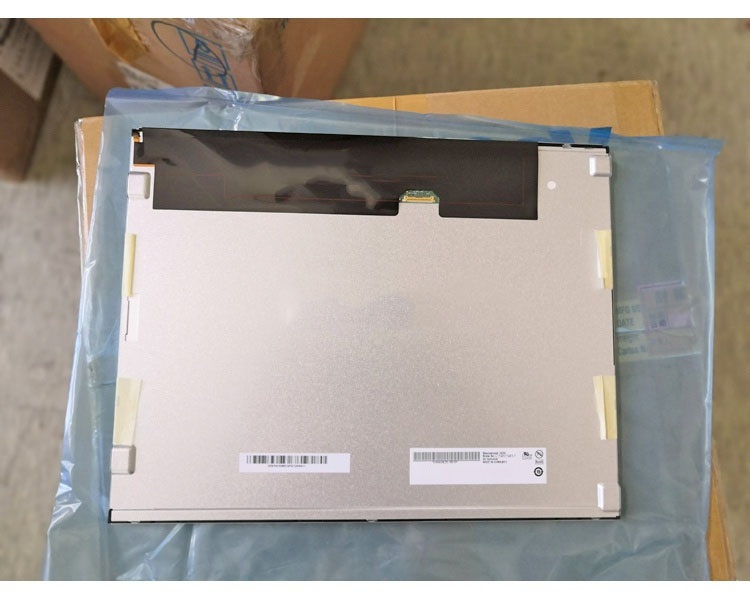
This article delves into a comprehensive analysis of the AUO G150XTN03.7 display. We will move beyond basic specifications to explore its underlying technology, dissect its key performance characteristics, and understand its ideal application environments. By examining its interfaces, mechanical design, and the competitive landscape it inhabits, we aim to provide engineers, procurement specialists, and technology integrators with a deep, practical understanding of this critical display component and its role in modern electronic design.
Unpacking the G150XTN03.7: Core Specifications and Technology
The AUO G150XTN03.7 is a 15.0-inch diagonal Liquid Crystal Display module utilizing Twisted Nematic (TN) technology. Its native resolution is 1024 x 768 (XGA), offering a 4:3 aspect ratio that remains relevant for many industrial, medical, and point-of-sale systems. The panel features a luminance of approximately 250 nits, providing adequate brightness for indoor environments, and a contrast ratio typically around 500:1.
At its heart, the TN technology enables fast response times, a key attribute of this display. This is crucial for reducing motion blur in dynamic content. The module is designed with a transmissive structure, requiring a backlight unit (CCFL in its standard form) for illumination. Understanding these foundational specs is essential, as they directly dictate the module's suitability for tasks where color fidelity is secondary to speed, readability, and cost-effectiveness.
Illumination and Visual Performance: Backlight and Color Gamut
The visual output of any LCD is profoundly influenced by its backlight system. The standard G150XTN03.7 employs a Cold Cathode Fluorescent Lamp (CCFL) backlight. This technology provides uniform illumination across the panel with a long operational life, though it consumes more power and generates more heat than modern LED alternatives. The color performance is defined by its ability to cover a portion of the NTSC color space, typically around 50-60%.
This gamut coverage indicates that the display is engineered for accurate representation of standard colors rather than wide-gamut content. It is perfectly suited for applications like diagnostic medical monochrome displays (when paired with a grayscale lookup table), industrial control dashboards, and information kiosks, where color vibrancy is less critical than consistent, reliable image stability and long-term operational endurance.
Interface and Signal Integration: The LVDS Standard
Communication between the host system and the display is handled via a Low-Voltage Differential Signaling (LVDS) interface. This is a critical, yet often overlooked, aspect of display integration. The LVDS interface in the G150XTN03.7 provides a robust, high-speed, and noise-resistant channel for transmitting video data and timing signals from the system's graphic controller to the panel's internal timing controller (T-Con).
The use of LVDS minimizes electromagnetic interference (EMI), which is vital for maintaining signal integrity in electrically noisy environments like factory floors or within densely packed medical equipment. This interface choice underscores the panel's design philosophy: prioritizing stable, error-free data transmission over long cable runs and in challenging conditions, ensuring the final visual output remains flicker-free and artifact-free.
Mechanical Design and Environmental Robustness
The physical construction of the G150XTN03.7 is tailored for integration. It features a compact mechanical outline with predefined mounting hole positions, allowing for secure installation into chassis and enclosures. Designers must pay close attention to the bezel dimensions and the active area placement to ensure proper fit and alignment in the end product.
Furthermore, the module is rated to operate within a specified temperature and humidity range, making it resilient in non-climate-controlled settings. Its robustness against vibration and shock is a key consideration for portable or transportation-based equipment. This mechanical and environmental durability transforms it from a mere visual component into a reliable system component that must perform consistently alongside other hardware.
Primary Application Domains and Use Cases
The technical profile of the G150XTN03.7 naturally directs it toward specific market verticals. Its primary domains include Industrial Human-Machine Interfaces (HMIs), where its 4:3 format is ideal for legacy control software and its fast response time is beneficial for monitoring real-time processes. In the medical field, it finds use in diagnostic imaging peripherals and patient monitoring systems, valued for its stability and reliability.
Additional key applications encompass Point-of-Sale (POS) terminals, gaming machine displays, and specialized transportation and logistics displays. In each case, the combination of XGA resolution, TN speed, LVDS reliability, and mechanical sturdiness creates a balanced value proposition that newer, consumer-oriented panels often cannot match for these specific, demanding use cases.
The Component Ecosystem: Sourcing and Compatibility Considerations
For engineers and buyers, navigating the supply chain for a specific display module like the G150XTN03.7 is crucial. It is typically sourced through authorized AUO distributors or specialized display component suppliers. Given its established design, compatibility with driver boards and controller kits is well-documented, but verification is always recommended.
It is also important to consider the landscape of compatible alternatives or direct replacements from other manufacturers, which may offer similar form-fit-function profiles, sometimes with upgraded backlights (e.g., LED). Understanding the pin-to-pin compatibility, electrical characteristics, and potential firmware adjustments required for a substitute is a vital part of long-term product lifecycle management and supply chain risk mitigation.
FAQs: G150XTN03.7 15-Inch Display
Q1: What is the resolution of the AUO G150XTN03.7?A1: It has an XGA resolution of 1024 x 768 pixels with a 4:3 aspect ratio.
Q2: What type of LCD technology does it use?A2: It uses Twisted Nematic (TN) panel technology.
Q3: What is the standard backlight for this module?A3: The standard version uses a CCFL (Cold Cathode Fluorescent Lamp) backlight.
Q4: What is the interface type?A4: It uses an LVDS (Low-Voltage Differential Signaling) interface for video input.
Q5: Is this display suitable for outdoor use?A5: With 250 nits brightness, it is designed for indoor use. Outdoor visibility would require a high-brightness version.
Q6: What are its main applications?A6: Common applications include industrial HMIs, medical monitors, POS systems, and gaming machines.
Q7: Can the CCFL backlight be replaced with an LED?A7: Yes, but it requires a compatible LED backlight unit and potentially driver modifications. LED upgrade kits are sometimes available.
Q8: What are the key advantages of this display?A8: Key advantages are fast response time, reliable LVDS interface, robust mechanical design, and proven long-term stability.
Q9: Where can I find technical documents for this panel?A9: Datasheets and specification documents are available through AUO's official website or authorized distributors.
Q10: Is this panel still in production?A10: Production status varies. It is a mature product, so checking with AUO or distributors for active status or recommended successors is essential.
Conclusion
The AUO G150XTN03.7 15-inch display exemplifies how a well-engineered, purpose-built component achieves longevity in the market. Its value lies not in cutting-edge specs, but in its proven reliability, integration-friendly design, and suitability for demanding professional environments. The combination of TN speed, LVDS robustness, and mechanical durability creates a compelling package for specific industrial, medical, and commercial applications.
For designers and integrators, understanding the nuanced profile of this module—from its color gamut limitations to its environmental tolerances—is key to leveraging its strengths effectively. In a world racing toward higher resolutions and wider color spaces, the G150XTN03.7 stands as a reminder that in many critical systems, consistent performance and unwavering reliability are the most valuable features of all.





