













































- Industrial display
-
Industrial Products
- DC Servo Drive
- AC Servo Drive
- Industrial board
- Siemens
- Switch Sensor
- Proximity Switch
- Temperature Controller
- Protection Relay
- Fiber Optic Sensor
- Encoder
- Fan
- other
- Heidelberg
- MITSUBISHI
- FANUC
- Siemens adapter
- Fujitsu connector
- Motherboard
- Board
- Contactor
- Circuit
- OMRON
- Relay
- Motor Driver
- power supply
- Cable
- Transformer
- HMI Touch Glass
-
HMI Full Machine Whole unit
- OMRON HMI Touch Panel
- Siemens HMI Touch Panel
- Mitsubishi HMI Touch Panel
- Allen-Bradley automation HMI Touch Panel
- DELTA HMI Touch Panel
- Proface HMI Touch Panel
- KINCO DELTA HMI Touch Panel
- HITECH HMI Touch Panel
- WEINTEK HMI Touch Panel
- TECVIEW HMI Touch Panel
- WEINVIEW HMI Touch Panel
- PANASONIC HMI Touch Panel
- KYOCERA HMI Touch Panel
- SCHNEIDER HMI Touch Panel
- Module
- lcd inverter
- Membrane Keypad Switch
- Zhiyan Customized Touch Screens
- Frequency Inverter
- Servo Motor
- PLC
In the intricate ecosystem of electronic devices, the display panel serves as the critical interface between human and machine. For technicians, procurement specialists, and DIY enthusiasts sourcing replacement parts, identifying the correct component is paramount. This article delves into the specifics of the G140XTN01.0, a 14-inch LCD display panel manufactured by AU Optronics (AUO). We will move beyond a simple specification sheet to explore its technical DNA, its intended applications, and its position within the broader landscape of display technology.
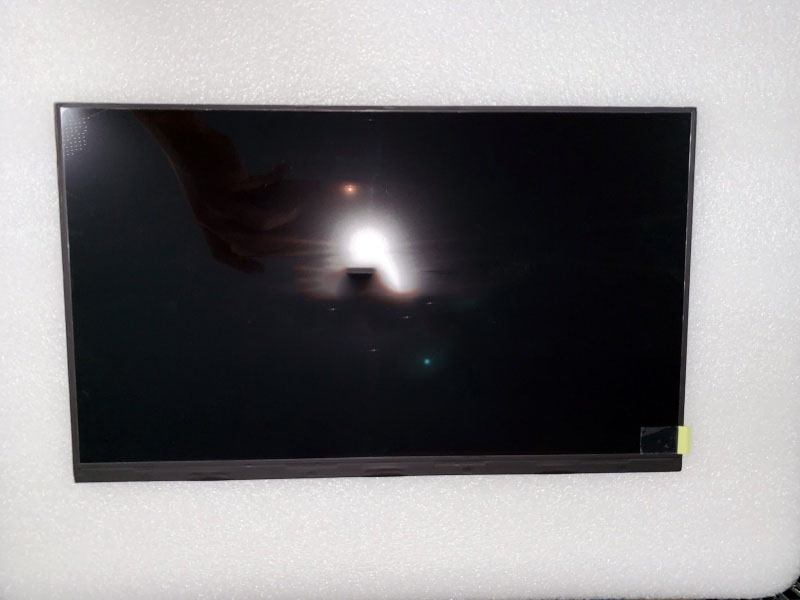
Understanding this panel is not merely an exercise in part number recognition. It involves comprehending its performance characteristics, compatibility nuances, and the scenarios where it proves most effective. Whether you are repairing a specialized industrial device, a portable medical instrument, or a ruggedized laptop, a deep dive into the G140XTN01.0 provides the knowledge necessary to make an informed decision, ensuring optimal performance and longevity for your equipment.
Decoding the G140XTN01.0: Core Specifications and Technology
The G140XTN01.0 is a 14.0-inch diagonal LCD panel built on a Twisted Nematic (TN) film technology. Its native resolution is 1024 x 768 pixels (XGA), resulting in a traditional 4:3 aspect ratio. This format, while less common in modern consumer laptops, remains prevalent in industrial, medical, and legacy commercial systems where software interfaces are designed for this specific screen shape and resolution.
Key technical attributes include a brightness of approximately 250 nits and a contrast ratio typical of TN panels of its generation. It features an LVDS (Low-Voltage Differential Signaling) interface, which was the standard for internal display connectivity for many years. The panel operates on a single-channel 6-bit LVDS configuration, supporting 262K colors. Understanding these fundamental specs is the first step in assessing compatibility, as they dictate the required signal input from the device's motherboard or controller board.
Primary Applications and Industry Use Cases
The design and specifications of the G140XTN01.0 target specific, often demanding environments. Its 4:3 XGA format is a hallmark of embedded systems and specialized equipment. Common applications include industrial control panels, point-of-sale (POS) systems, test and measurement devices, and specialized portable computers used in field service and logistics.
Furthermore, this panel finds a significant niche in the medical equipment sector, where it might be used in portable diagnostic devices or older-generation patient monitoring systems. The panel's longevity in the market also makes it a critical replacement part for maintaining the operational life of expensive capital equipment across these industries, where upgrading the entire system is often not cost-effective or necessary.
Compatibility and Interchangeability Considerations
When sourcing a replacement G140XTN01.0, compatibility is the foremost concern. It is not simply a matter of physical size. Technicians must verify a multitude of parameters: the mechanical footprint (including mounting hole positions), the interface type and pin count (LVDS 20-pin, 30-pin, etc.), the voltage requirements (3.3V, 5V, etc.), and the backlight type (often CCFL in this panel's era).
While some panels may share similar specs, even minor deviations in the interface pinout or power sequence can render a panel incompatible or cause damage. It is strongly advised to cross-reference the original panel's full model number and, if possible, its detailed datasheet. The term "compatible" or "equivalent" should be approached with caution and validated against all technical parameters.
TN Film Technology: Advantages and Limitations
The G140XTN01.0 utilizes TN film technology, which was the workhorse of the LCD industry for decades. Its primary advantages include fast response times (reducing motion blur), low production cost, and high transmittance which allowed for effective backlighting with older CCFL lamps. These traits made it suitable for applications where cost and basic functionality were prioritized over premium image quality.
However, TN technology has well-known limitations. It suffers from narrow viewing angles, particularly in the vertical direction, where colors and contrast can shift dramatically. Color reproduction and depth are also inferior to more modern IPS (In-Plane Switching) panels. For its intended industrial uses, where the operator is often directly in front of the screen, these drawbacks are frequently an acceptable trade-off for reliability and cost.
Sourcing and Supply Chain Dynamics
The G140XTN01.0 is an End-of-Life (EOL) or mature product. AUO may no longer be in active mass production, shifting the supply to the secondary market. Sourcing thus involves specialized distributors, surplus electronics dealers, and refurbishment houses. This dynamic introduces considerations of panel grade (A, A-, B, etc.), condition (new old stock, pulled/used, refurbished), and warranty.
Provenance is key. Reputable suppliers will provide clear information on the panel's origin and testing results. The supply can be inconsistent, leading to price fluctuations. For long-term maintenance planning, identifying a reliable supplier with a stable inventory of quality-tested panels is as crucial as the technical verification itself.
Installation and Handling Best Practices
Successful replacement of a display panel requires careful handling and procedure. The G140XTN01.0, like all LCDs, is fragile. Electrostatic discharge (ESD) protection is mandatory; always use an ESD strap and work on an ESD-safe mat. Avoid touching the circuitry or the ribbon cables with bare hands.
Physically, the panel must be handled by its edges, never pressing on the screen surface. During installation, ensure all connectors are fully seated and locked, and that no cables are pinched. Pay close attention to the backlight inverter connector (if CCFL) and ensure the new panel's power requirements match the inverter's output. A methodical approach prevents damage to the new panel and the host device.
FAQs
Q1: What is the G140XTN01.0 panel primarily used for?A1: It's primarily used in industrial, medical, and legacy commercial equipment like POS systems, control panels, and portable diagnostic devices.
Q2: What is the screen resolution and aspect ratio?A2: It has an XGA resolution of 1024 x 768 pixels with a 4:3 aspect ratio.
Q3: What type of LCD technology does it use?A3: It uses Twisted Nematic (TN) film technology.
Q4: What is the interface type for this panel?A4: It uses an LVDS (Low-Voltage Differential Signaling) interface, typically in a single-channel 6-bit configuration.
Q5: Is the G140XTN01.0 still in production?A5: It is likely an End-of-Life (EOL) part, sourced mainly through the secondary and surplus market.
Q6: Can I replace it with any 14-inch LCD panel?A6: No. Compatibility depends on resolution, interface, pinout, voltage, backlight type, and physical dimensions. Exact replacement or a verified compatible model is required.
Q7: What is the backlight type?A7: It commonly uses a CCFL (Cold Cathode Fluorescent Lamp) backlight, which requires a separate inverter.
Q8: What are the main drawbacks of this panel?A8: Its main limitations are narrow viewing angles and less vibrant color reproduction compared to modern IPS panels.
Q9: What does "A Grade" mean when sourcing this panel?A9: "A Grade" typically indicates a panel with no pixel defects and minimal cosmetic imperfections. Always confirm the grading standard with the supplier.
Q10: What precautions should I take during installation?A10: Use ESD protection, handle the panel by its edges, ensure connectors are secure, and verify backlight compatibility (inverter for CCFL).
The AUO G140XTN01.0 is far more than a simple part number; it represents a specific era and application set in display technology. Its 4:3 XGA format and TN film construction are telltale signs of its role in robust, specialized, and often mission-critical equipment. Successfully integrating or replacing this panel hinges on a thorough understanding of its technical parameters, a careful assessment of compatibility, and sourcing from reputable channels in the mature-component supply chain.
For those maintaining industrial, medical, or legacy systems, this knowledge is power. It enables informed procurement, prevents costly compatibility errors, and ultimately extends the service life of valuable capital assets. In a world of rapidly evolving consumer displays, the G140XTN01.0 stands as a reminder of the enduring need for reliable, application-specific components in the backbone of our technological infrastructure.





