













































In the intricate ecosystem of modern electronics, the display panel serves as the critical interface between user and machine. For engineers, procurement specialists, and product developers sourcing components, selecting the right LCD screen is a decision that directly impacts product performance, reliability, and cost. This article delves deep into one specific component: the G140HAN01.0, a 14.0-inch LCD display panel manufactured by AU Optronics (AUO).
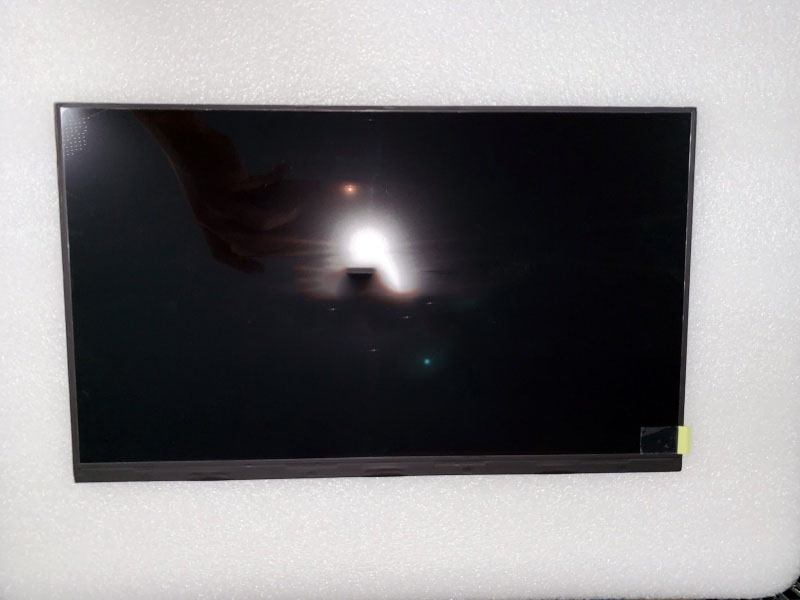
Our exploration moves beyond basic datasheet specifications. We will dissect the panel's core technological attributes, analyze its ideal application landscapes, and compare it within the broader market context. Furthermore, we will address critical considerations for integration, supply chain dynamics, and future-proofing your product designs. This comprehensive guide aims to equip you with the nuanced understanding necessary to evaluate whether the G140HAN01.0 is the optimal display solution for your next-generation device.
Decoding the G140HAN01.0: Core Specifications and Technology
The AUO G140HAN01.0 is a 14.0-inch diagonal LCD module utilizing In-Plane Switching (IPS) panel technology. This foundational choice is pivotal, as IPS is renowned for delivering superior color accuracy, wider viewing angles (typically 85/85/85/85), and better consistency compared to older Twisted Nematic (TN) panels. The native resolution of 1920 x 1080 pixels (Full HD) provides a sharp pixel density of approximately 157 PPI, ensuring detailed and crisp imagery suitable for both textual and graphical content.
It typically features a standard RGB pixel arrangement, a brightness level around 250 nits, and a contrast ratio in the realm of 700:1. The interface is commonly LVDS (Low-Voltage Differential Signaling), a mature and reliable standard for display connectivity. Understanding these specs is the first step; the true value is revealed in how these parameters translate into real-world performance for specific use cases, which is where its application suitability becomes the focal point.
Ideal Application Landscapes and Use Cases
The profile of the G140HAN01.0 positions it as a versatile workhorse for embedded and industrial applications rather than high-end consumer entertainment. Its 14-inch size and Full HD resolution make it an excellent fit for portable medical diagnostic devices, where clear visualization of images and data is paramount. In the industrial automation sector, it serves reliably in Human-Machine Interface (HMI) panels for machinery control, benefiting from the wide viewing angles that allow operators to see the screen clearly from various positions.
Additionally, it finds a home in transportation infotainment systems, point-of-sale (POS) terminals, and specialized portable monitors. The balance of size, resolution, and the robustness of IPS technology offers a dependable visual output in environments where consistent performance is valued over ultra-high refresh rates or extreme brightness. Its suitability is defined by a need for reliable clarity, not gaming-grade performance.
Comparative Analysis: Positioning in the Market
To assess the G140HAN01.0's value proposition, one must contextualize it against alternatives. Competing panels may come from other manufacturers like Innolux, LG Display, or BOE. Key differentiators often revolve around specific performance tweaks: some panels might offer higher brightness (300+ nits) for sunlight-readable applications, while others might emphasize lower power consumption for battery-driven devices.
Within AUO's own portfolio, comparisons might be drawn to similar-sized panels with different resolutions (e.g., HD+ 1600x900) or touchscreen integrations. The G140HAN01.0's strength lies in its balanced specification sheet and the proven reliability of AUO's manufacturing. For projects requiring a no-compromise on viewing angles and color fidelity at this specific size and resolution, it often emerges as a leading contender against potentially lower-cost but technologically inferior TN panels.
Critical Integration Considerations and Design Challenges
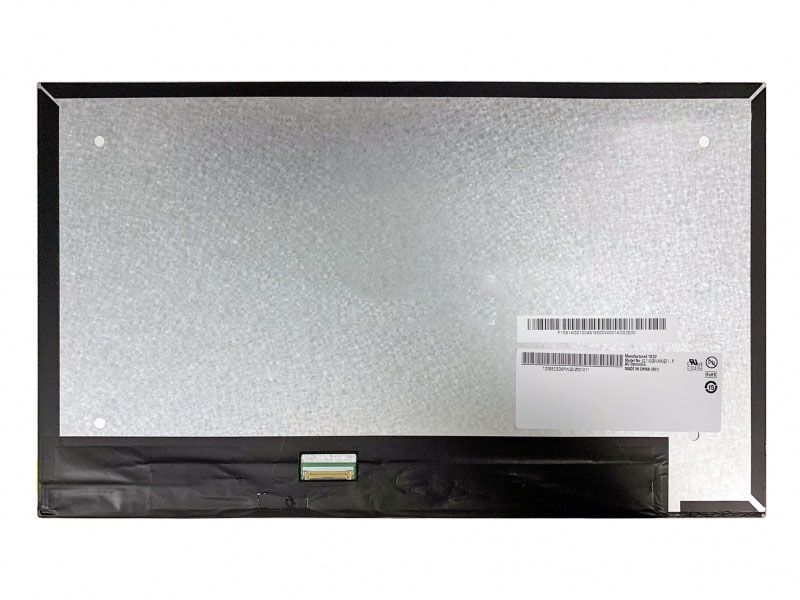
Successfully integrating the G140HAN01.0 into a product requires careful planning. The LVDS interface necessitates a compatible controller board or a processor with an embedded LVDS transmitter. Designers must account for the power sequencing requirements, backlight inverter/LED driver circuitry (depending on the backlight type), and electromagnetic compatibility (EMC) shielding.
Mechanical integration is equally crucial. Attention must be paid to the module's exact dimensions, bezel size, and mounting hole positions. The use of a compatible LCD cable and secure connectors is essential to prevent signal integrity issues. Furthermore, managing heat dissipation from the backlight and ensuring the panel is protected from physical stress and environmental factors (moisture, dust) in its final application are key to long-term reliability.
Supply Chain Dynamics and Sourcing Strategies
The G140HAN01.0, like many industrial-grade components, may not be stocked on consumer-facing platforms. Sourcing typically occurs through authorized distributors, specialized display module integrators, or directly from AUO's sales channels for large volume projects. The global semiconductor and display supply chain has experienced volatility, making supply stability a critical factor.
Proactive strategies include:
Engaging with reputable distributors with proven ties to AUO.
Considering alternative or compatible panel models (second sources) at the design stage to mitigate risk.
Forecasting demand accurately and planning for potential lead time fluctuations.
Evaluating the total cost of ownership, which includes not just the module cost, but also integration components and potential design revision costs.
Future-Proofing and Long-Term Viability
While the G140HAN01.0 is a mature and proven product, forward-looking design requires consideration of its lifecycle. AUO, as the manufacturer, ultimately controls its End-of-Life (EOL) schedule. Inquiring about long-term supply forecasts and potential successor models is a prudent step for products with extended development or deployment timelines.
Technological trends also inform its viability. While newer interfaces like eDP (Embedded DisplayPort) offer advantages in bandwidth and simplicity, LVDS remains deeply entrenched and well-supported in industrial contexts. The panel's 14-inch FHD IPS specification continues to address a stable market need. Therefore, its "future-proofness" is tied less to being cutting-edge and more to its enduring relevance in stable, performance-critical applications where radical change is not a primary driver.
Frequently Asked Questions (FAQs)
Q1: What is the primary technology used in the G140HAN01.0 panel?A1: It uses IPS (In-Plane Switching) LCD technology, known for wide viewing angles and good color reproduction.
Q2: What is its screen size and resolution?A2: It is a 14.0-inch diagonal panel with a Full HD (1920 x 1080 pixels) resolution.
Q3: What is the typical interface for this display?A3: It typically uses an LVDS (Low-Voltage Differential Signaling) interface.
Q4: Is this screen suitable for outdoor use?A4: With a standard brightness of ~250 nits, it is not ideal for direct sunlight. For outdoor use, a high-brightness variant (>500 nits) would be required.
Q5: What are the most common applications for this panel?A5: Common uses include medical devices, industrial HMIs, POS systems, transportation displays, and portable monitors.
Q6: Does it have a touchscreen?A6: The G140HAN01.0 is a display module only. Touch functionality (resistive, capacitive) would be added as a separate component or sourced as a fully integrated unit.
Q7: How does it compare to a TN panel of the same size?A7: It offers significantly better viewing angles and color performance than a TN panel, but may have a slightly slower response time and higher cost.
Q8: Where can I buy the G140HAN01.0?A8: It is sourced through authorized electronic component distributors or display module specialists, not typically on retail sites.
Q9: What should I check for compatibility when integrating it?A9: Verify the interface (LVDS pinout), voltage requirements for the logic and backlight, physical dimensions, and mounting points.
Q10: Is this panel being phased out?A10: Its status is determined by AUO. For long-term projects, always check the manufacturer's official lifecycle status and availability forecasts.
Conclusion
The AUO G140HAN01.0 14-inch LCD display stands as a testament to balanced, application-driven engineering. Its combination of IPS technology, Full HD resolution, and a 14-inch form factor carves out a distinct niche in the industrial and professional embedded display market. This analysis underscores that its value is not in being the most advanced panel available, but in being a reliable and high-performance solution for a well-defined set of challenges.
Selecting this panel is a strategic decision that hinges on a clear understanding of your product's requirements regarding visual clarity, viewing conditions, and operational environment. By considering its technical profile, integration nuances, and supply chain context detailed herein, you can make an informed choice that enhances the quality and reliability of your final product, ensuring the display becomes a seamless and robust window to your device's functionality.





