




















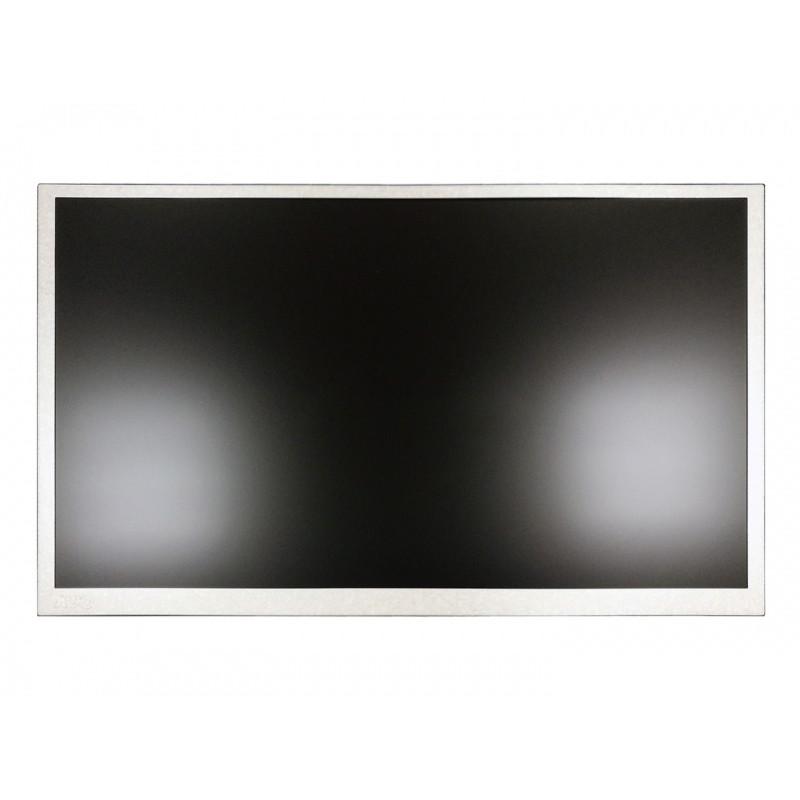
In the intricate world of electronic device manufacturing and repair, the display panel is the critical interface between user and machine. For professionals sourcing components, the precise model number is the key to compatibility and performance. This article provides a comprehensive, in-depth exploration of the G133HAN02.2, a 13.3-inch LCD display panel manufactured by AU Optronics (AUO). We will move beyond basic specifications to examine its technological underpinnings, ideal applications, and the nuanced factors that define its role in the market.
Targeted at engineers, procurement specialists, and advanced hobbyists, this analysis aims to be a definitive resource. We will dissect the panel's core features, from its resolution and brightness to its color gamut and power consumption. Furthermore, we will contextualize its position within AUO's portfolio and the broader landscape of display technology, offering practical insights for integration and sourcing. Understanding the G133HAN02.2 is not just about knowing its specs, but about appreciating its design philosophy and optimal use cases.
Decoding the G133HAN02.2: Core Specifications and Technology
The AUO G133HAN02.2 is a 13.3-inch diagonal LCD panel featuring a Full HD (1920 x 1080) resolution. This pixel density offers a sharp and detailed image, suitable for both productivity and media consumption. It utilizes an IPS (In-Plane Switching) panel technology, which is renowned for delivering superior color accuracy, wider viewing angles (typically 85/85/85/85), and better consistency compared to older TN (Twisted Nematic) panels. This makes color-critical work and shared-screen viewing far more viable.
Beyond the basics, key specifications include a standard brightness of 300 nits (or cd/m²), which is adequate for indoor use, and a contrast ratio that defines the depth between blacks and whites. The panel likely features an LED backlight system, ensuring slim form factor and good energy efficiency. The interface is typically eDP (Embedded DisplayPort), a modern, high-speed digital connection standard used in most contemporary laptops and compact devices. These combined specs paint a picture of a modern, mid-to-high-end panel designed for clarity and color fidelity.
Primary Applications and Integration Context
The G133HAN02.2 is engineered primarily for the mobile computing market. Its most common application is as the original display in various models of mid-range to high-end 13.3-inch laptops, particularly those balancing performance with portability. Manufacturers select this panel for devices where good screen quality is a selling point, such as business notebooks, premium ultrabooks, and creative-focused portable workstations.
Beyond initial manufacturing, this panel is a vital component in the repair and refurbishment ecosystem. When an original screen on a compatible laptop is damaged, the G133HAN02.2 serves as a direct replacement, restoring the device to its factory visual standard. Its specification set also makes it a candidate for custom embedded systems, portable monitors, or specialized industrial equipment where a reliable, high-resolution 13.3-inch display is required. Understanding its integration context is crucial for ensuring physical compatibility (dimensions, bezel) and electrical compatibility (connector type, pinout).
Analyzing Performance: Color, Power, and Durability
Performance analysis goes beyond listed numbers. The IPS technology inherently supports a wider color gamut than TN panels. While not necessarily a "wide-gamut" panel for professional photography, the G133HAN02.2 likely covers a solid portion of the sRGB spectrum, ensuring vibrant and reasonably accurate colors for everyday creative work and entertainment. This is a key differentiator for user experience.
Power efficiency is another critical metric for mobile devices. The LED backlight and panel design aim to minimize power draw, contributing directly to longer battery life in a laptop. Durability factors include the panel's operating temperature range, its resistance to pressure (often defined by the hardness of the surface glass or polarizer), and its expected lifespan in hours. These factors are seldom advertised but are paramount for engineers designing systems and for users expecting long-term reliability.
The AUO Ecosystem and Market Positioning
AU Optronics is a leading global manufacturer of display panels. The G133HAN02.2 exists within a structured product family. The "G133" prefix typically indicates a 13.3-inch size, while "HAN" denotes a specific series within AUO's catalog, often sharing similar performance profiles and design generations. Comparing it to other panels in the same series (e.g., variants with different brightness, touch capability, or lower power) or to competing panels from manufacturers like LG Display or Innolux reveals its market position.
This panel is positioned as a reliable, quality workhorse in the 13.3-inch FHD segment. It may not have the extreme brightness of outdoor panels or the 100% DCI-P3 gamut of premium creator displays, but it offers a balanced, proven set of features. Its value lies in its consistent performance, widespread adoption (which aids availability), and its role as a benchmark for quality in its class, making it a safe and effective choice for many OEMs and repair technicians.
Sourcing and Compatibility Considerations
For those sourcing the G133HAN02.2, several practical considerations are essential. First is authenticity. The market contains original, refurbished, and compatible panels. While "compatible" panels may function, they might not meet the exact color, brightness, or longevity standards of genuine AUO panels. Purchasing from authorized distributors or highly reputable suppliers is crucial for critical applications.
Second, physical and interface compatibility must be verified. This includes:
Exact Dimensions and Mounting Hole Positions: Must match the device's chassis.
Connector Type and Cable Position: The eDP connector's pin count (likely 30 or 40 pin) and its location on the panel must align.
Interface Version: eDP version compatibility (e.g., 1.2, 1.3, 1.4) ensures the data rate supports the panel's resolution and refresh rate.
A mismatch in any of these areas will prevent successful integration.
Future Trends and Legacy Perspective
Display technology evolves rapidly. While the G133HAN02.2 represents a mature and widely deployed technology, newer trends are shaping the future. These include panels with higher refresh rates for smoother motion, HDR (High Dynamic Range) support for greater contrast, and even lower power consumption through technologies like LPTS (Low-Temperature Polycrystalline Silicon) or OLED alternatives.
In this context, the G133HAN02.2 can be seen as part of a foundational wave of FHD IPS technology that standardized good display quality in mainstream laptops. Its legacy is one of establishing a baseline expectation for color and viewing angles. As it eventually phases out of new production, its role will solidify in the repair and legacy system support markets for years to come, underscoring the importance of understanding such key components in the technology lifecycle.
FAQs: G133HAN02.2 LCD Display Panel
1. What is the G133HAN02.2 panel?It is a 13.3-inch Full HD (1920x1080) IPS LCD panel manufactured by AU Optronics (AUO).
2. What is its primary use?It is primarily used as the original screen in various 13.3-inch laptops and as a replacement panel for repair.
3. What does "IPS" mean for this panel?IPS (In-Plane Switching) provides wider viewing angles and better color reproduction compared to older TN-type panels.
4. What is the screen's brightness?The typical brightness is 300 nits (cd/m²), suitable for standard indoor use.
5. What type of connector does it use?It uses an eDP (Embedded DisplayPort) interface, commonly a 30-pin or 40-pin connector.
6. Can I use this panel to replace any 13.3-inch screen?No. You must verify exact physical dimensions, mounting points, connector type/position, and eDP version compatibility with your device.
7. Where can I buy a genuine G133HAN02.2 panel?Source from authorized AUO distributors or highly reputable electronics component suppliers to ensure authenticity.
8. Is this panel good for photo editing?Its IPS technology offers good color, but for professional photo editing, a panel with a certified wide color gamut (e.g., 100% sRGB or Adobe RGB) is preferred.
9. How does it compare to an OLED panel?It is a traditional LCD with LED backlight. OLED panels offer perfect blacks and higher contrast but were less common in this size/class when this panel was designed.
10. What should I check if the replacement panel doesn't work?Double-check connector alignment and seating, ensure the eDP cable is undamaged, and verify the panel's compatibility with your device's motherboard and BIOS.
Conclusion
The AUO G133HAN02.2 is far more than a simple part number; it represents a specific tier of visual performance and reliability within the 13.3-inch laptop display segment. Its combination of Full HD resolution, IPS technology, and standard brightness positioned it as a preferred choice for manufacturers seeking to deliver quality user experiences in portable devices. For the repair and integration specialist, a deep understanding of its specifications, compatibility parameters, and market context is indispensable.
As display technology continues its advance toward higher refresh rates, HDR, and new material sciences, panels like the G133HAN02.2 form the essential backbone of the current installed base of devices. Mastering the details of such components ensures successful repairs, informed sourcing decisions, and a clearer perspective on the evolution of the screens we interact with daily. In the world of precision components, knowledge of the specific, like the G133HAN02.2, is the ultimate tool.





