



















- Industrial display
-
Industrial Products
- DC Servo Drive
- AC Servo Drive
- Industrial board
- Siemens
- Switch Sensor
- Proximity Switch
- Temperature Controller
- Protection Relay
- Fiber Optic Sensor
- Encoder
- Fan
- other
- Heidelberg
- MITSUBISHI
- FANUC
- Siemens adapter
- Fujitsu connector
- Motherboard
- Board
- Contactor
- Circuit
- OMRON
- Relay
- Motor Driver
- power supply
- Cable
- Transformer
- HMI Touch Glass
-
HMI Full Machine Whole unit
- OMRON HMI Touch Panel
- Siemens HMI Touch Panel
- Mitsubishi HMI Touch Panel
- Allen-Bradley automation HMI Touch Panel
- DELTA HMI Touch Panel
- Proface HMI Touch Panel
- KINCO DELTA HMI Touch Panel
- HITECH HMI Touch Panel
- WEINTEK HMI Touch Panel
- TECVIEW HMI Touch Panel
- WEINVIEW HMI Touch Panel
- PANASONIC HMI Touch Panel
- KYOCERA HMI Touch Panel
- SCHNEIDER HMI Touch Panel
- Module
- lcd inverter
- Membrane Keypad Switch
- Zhiyan Customized Touch Screens
- Frequency Inverter
- Servo Motor
- PLC
In the intricate ecosystem of modern electronic devices, the display module serves as the critical bridge between digital information and human perception. Among the myriad of components available, the G101UAA02.0 10.1-inch TFT LCD module stands out as a sophisticated solution engineered around a premium AUO (AU Optronics) panel. This article delves into a comprehensive technical and application-oriented analysis of this specific module, moving beyond basic specifications to explore its defining characteristics, integration challenges, and ideal use cases.
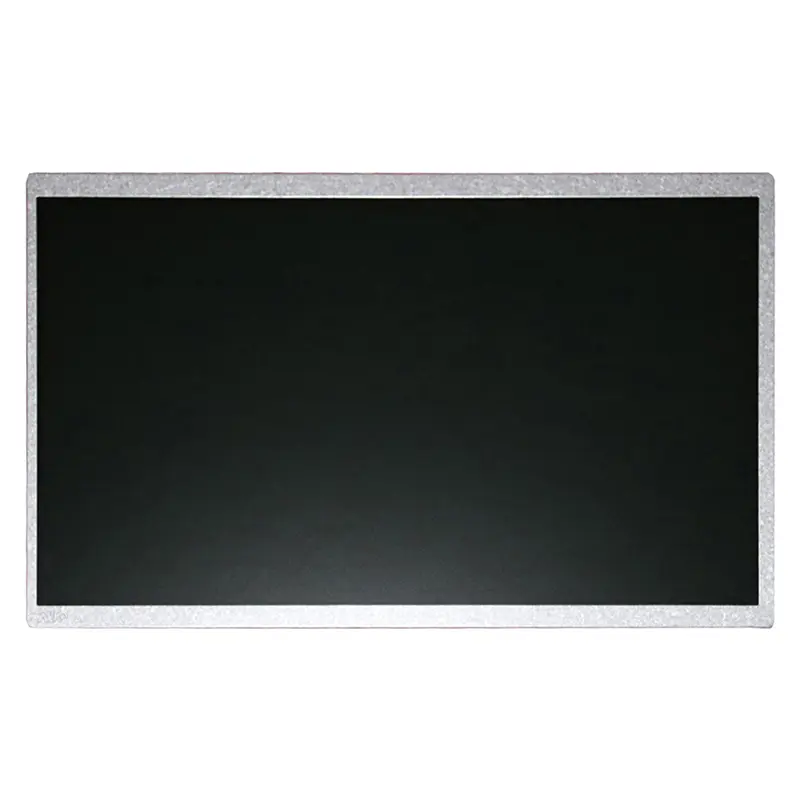
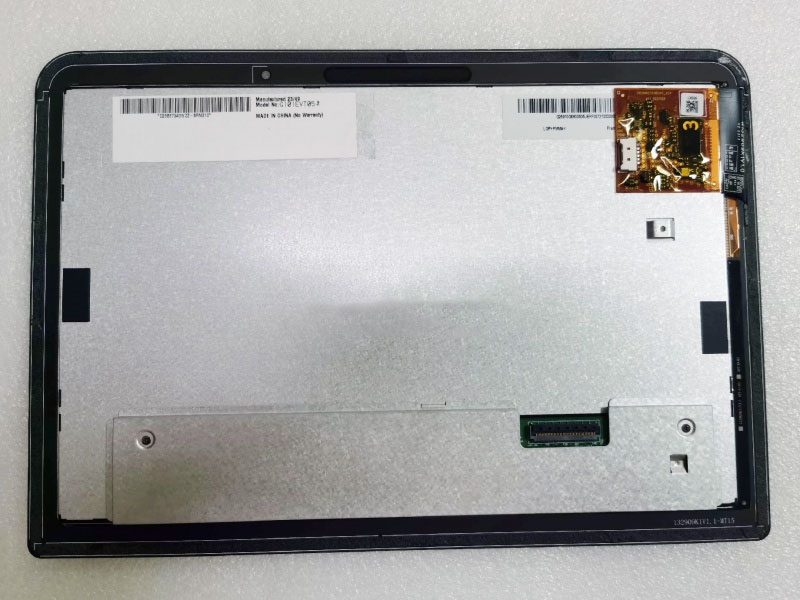
Understanding this module requires recognizing it as a complete subsystem, not just a bare panel. It typically incorporates the AUO TFT LCD glass, a dedicated driver IC, a robust LED backlight unit, and a meticulously designed interface board (FPC). This integration is crucial for developers, as it transforms a complex display technology into a more readily implementable component, significantly reducing time-to-market for end products.
Decoding the Core: AUO Panel Technology and Specifications
The heart of the G101UAA02.0module is the AUO-sourced TFT LCD panel. This 10.1-inch diagonal display typically offers a mainstream resolution of 1280 x 800 pixels (WXGA), delivering a balanced blend of clarity and cost-effectiveness for its size. The module employs In-Plane Switching (IPS) or similar advanced wide-viewing angle technology, ensuring consistent color and contrast even when viewed from sharp angles—a critical feature for industrial control panels, point-of-sale systems, and multi-user devices.
Key specifications to examine include its brightness level (often ranging from 300 to 500 nits for indoor use), contrast ratio, and color gamut coverage. The interface is invariably LVDS (Low-Voltage Differential Signaling), a mature and reliable standard for transmitting high-speed video data with minimal noise interference. Understanding these core specs is the first step in evaluating its suitability for a target environment, be it a dimly lit medical cart or a sunlit vehicle dashboard.
Electrical Characteristics and Interface Integration
Successful implementation hinges on a deep understanding of the module's electrical requirements. The G101UAA02.0 requires precise power supply voltages, commonly including a +3.3V or +5.0V logic supply for the driver IC and a higher voltage (e.g., +12V or +24V) for the LED backlight inverter or driver. Mismatches here can lead to poor performance or permanent damage.
The LVDS interface necessitates a compatible controller on the host system's mainboard (often an SoC or FPGA). Designers must ensure signal integrity by adhering to controlled impedance routing, proper differential pair matching, and termination protocols as per the module's datasheet. This chapter underscores that treating the module as a "black box" is insufficient; its integration demands careful schematic and PCB layout consideration to achieve a stable, flicker-free image.
Mechanical Design and Environmental Considerations
The physical and environmental robustness of the G101UAA02.0 module is paramount for many applications. Mechanically, it features a defined outline dimension, bezel size, and mounting hole pattern. The selection of the front polarizer surface—glare, matte, or optically bonded—directly impacts readability under various lighting conditions.
For harsh environments, parameters like operating temperature range (often -20°C to +70°C), storage temperature, and humidity tolerance become deciding factors. Modules can be specified with extended temperature components or conformal coating for added protection. Furthermore, considerations for electromagnetic compatibility (EMC), such as the use of shielding cans or grounding strategies, are essential to prevent the display from being a source of or victim to interference in sensitive electronic assemblies.
Application-Specific Optimization and Customization
The true value of a display module is realized in its application. The G101UAA02.0's combination of size, resolution, and reliability makes it a prime candidate for several vertical markets. In industrial Human-Machine Interfaces (HMIs), its wide viewing angle and durability are key. For portable medical devices, its balance of size and power consumption is advantageous.
Beyond off-the-shelf use, modules can often be customized. This includes adjusting the default boot-up logo (via the driver IC's firmware), modifying the backlight brightness curve through PWM control, or sourcing variants with different connector orientations. For ultra-reliable applications, redundancy in backlight LEDs or the availability of fully ruggedized versions may be explored. This flexibility allows engineers to tailor the module to precise operational needs.
Comparative Analysis and Market Positioning
Placing the G101UAA02.0 in the broader market context is instructive. Compared to smaller 7-inch or larger 15-inch modules, it occupies a sweet spot for portable yet information-rich devices. Against alternative panel manufacturers, AUO's reputation for consistent quality and supply chain stability is a significant factor, though it may command a price premium over lesser-known brands.
An emerging consideration is the competitive pressure from alternative technologies, notably open-cell solutions where buyers integrate the driver board themselves (offering potential cost savings but greater engineering burden) and the gradual encroachment of OLED in premium segments. The G101UAA02.0's position remains strong in cost-sensitive, high-reliability applications where proven TFT LCD technology is preferred.
Integration Best Practices and Troubleshooting
The final step from specification to a functioning display involves adherence to best practices. This includes proper handling to avoid electrostatic discharge (ESD) damage, especially to the delicate connector pins and LCD glass. During prototyping, using a validated evaluation kit is highly recommended to isolate issues.
Common integration challenges include a completely blank screen (check power sequencing and LVDS signal lock), flickering (review clock frequency and grounding), or electromagnetic interference. A methodical approach—verifying each power rail, inspecting solder joints, and using an oscilloscope to probe the LVDS clock—is essential. Establishing clear communication with the module supplier for technical support and access to detailed application notes can resolve most issues efficiently.
Frequently Asked Questions (FAQs)
Q1: What is the exact resolution of the G101UAA02.0 module?A: It typically features a WXGA resolution of 1280 (H) x 800 (V) pixels.
Q2: What type of interface does this module use?A: It uses a standard LVDS (Low-Voltage Differential Signaling) interface.
Q3: Is this module suitable for outdoor use?A: Standard versions are for indoor use. Outdoor readability requires a high-brightness variant (e.g., 1000+ nits) and an enhanced environmental package.
Q4: Can I adjust the brightness of the display?A: Yes, brightness is usually controllable via a PWM (Pulse Width Modulation) signal input to the backlight driver.
Q5: What is the typical operating voltage for the logic and backlight?A: Logic supply is often +3.3V, while the LED backlight may require +12V, +24V, or a constant current drive; always consult the specific datasheet.
Q6: Does it support touch functionality?A: The G101UAA02.0 is a display module. Touch (resistive or capacitive) is typically offered as an additional overlay that can be integrated.
Q7: What are the common applications for this module?A: Industrial HMIs, portable medical devices, point-of-sale terminals, vehicle telematics, and embedded control systems.
Q8: How do I handle ESD sensitivity during installation?A: Always use ESD-safe practices: work on a grounded mat, wear a wrist strap, and avoid touching connector pins and circuitry.
Q9: Where can I find the pinout and datasheet?A: These should be requested directly from the module supplier or distributor, as pinouts can vary between integrators.
Q10: What if I see a "no signal" or flickering image?A: First, verify all power supplies and the LVDS cable connection. Ensure the host controller's output timing matches the module's native resolution and refresh rate.
Conclusion
The G101UAA02.0 10.1-inch TFT LCD module represents a mature, reliable, and highly adaptable display solution built upon AUO's panel technology. Its value extends far beyond a simple list of specifications, lying in its integrated design, robust performance, and suitability for demanding embedded applications. A successful deployment requires a holisti approach, considering electrical, mechanical, and environmental factors in equal measure.
For engineers and product developers, mastering the integration of such a module is a key competency in today's device-driven world. By understanding its core technology, adhering to integration best practices, and leveraging potential customizations, the G101UAA02.0 can become the clear and dependable visual interface that ensures the success and usability of a wide array of professional electronic products.





