













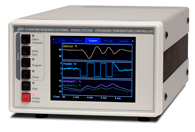

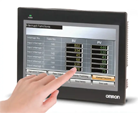

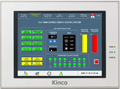
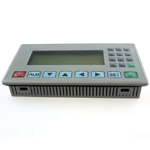




- Industrie-LCD-Display
-
Industrial Products
- DC Servo Drive
- AC Servo Drive
- PCB
- Siemens
- Switch Sensor
- Näherungsschalter
- Temperaturregler
- Schutzrelais
- Fiber Optic Sensor
- Encoder
- Fan
- other
- Heidelberg
- MITSUBISHI
- FANUC
- Siemens adapter
- Fujitsu connector
- Der Aufsichtsrat
- Board
- Contactor
- Circuit
- Omron
- Relais.
- Motortreiber
- power supply
- Cable
- Transformator
- HMI Touch-Glas
-
HMI-Vollautomat Ganze Einheit
- OMRON HMI Touch Panel
- Siemens HMI Touch Panel
- Mitsubishi HMI Touch Panel
- Allen-Bradley Automatisierung HMI Touch
- DELTA HMI Touch Panel
- EVIEW DELTA HMI Touch Panel
- KINCO DELTA HMI Touch Panel
- HITECH HMI Touch Panel
- WEINTECK HMI Touch Panel
- TECVIEW HMI Touch Panel
- WEINVIEW HMI Touch Panel
- PANASONIC HMI Touch Panel
- KYOCERA HMI Touch Panel
- SCHNEIDER HMI Touch Panel
- Module
- LCD Wechselrichter
- Membran Tastenfeld Schalter
- Winni Touch Screens
- Frequenzumrichter
- Servo Motor
- PLC
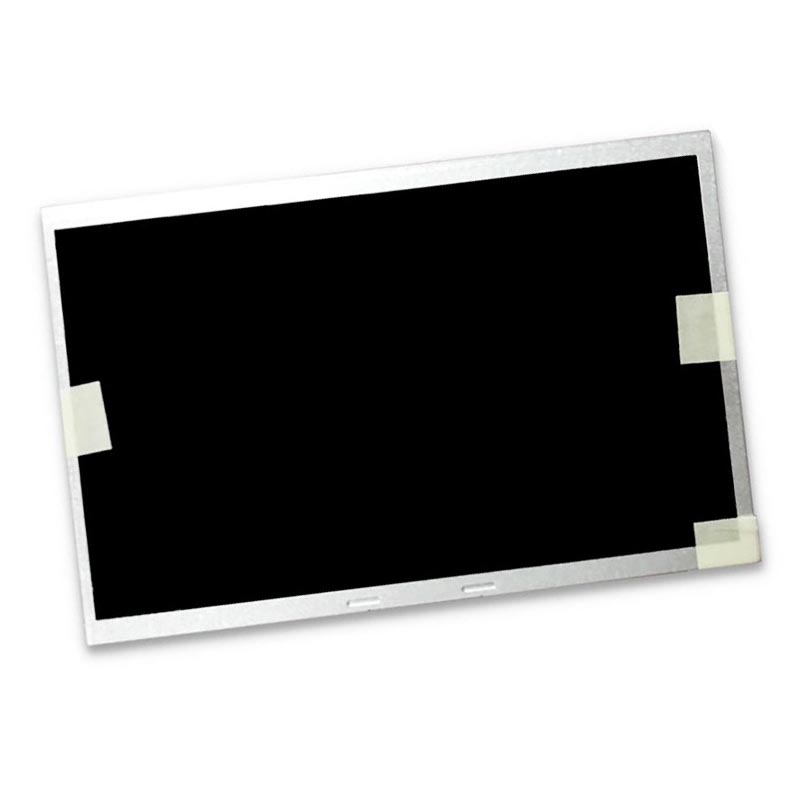
In the intricate ecosystem of industrial and embedded display solutions, the selection of a specific LCD module can define the performance, reliability, and user experience of an entire product line. This article provides a comprehensive, in-depth analysis of the G101STN01.3, a 10.1-inch TFT LCD module manufactured by AU Optronics (AUO). Moving beyond basic datasheet specifications, we will explore the nuanced technical characteristics that make this module a significant component in various demanding applications.
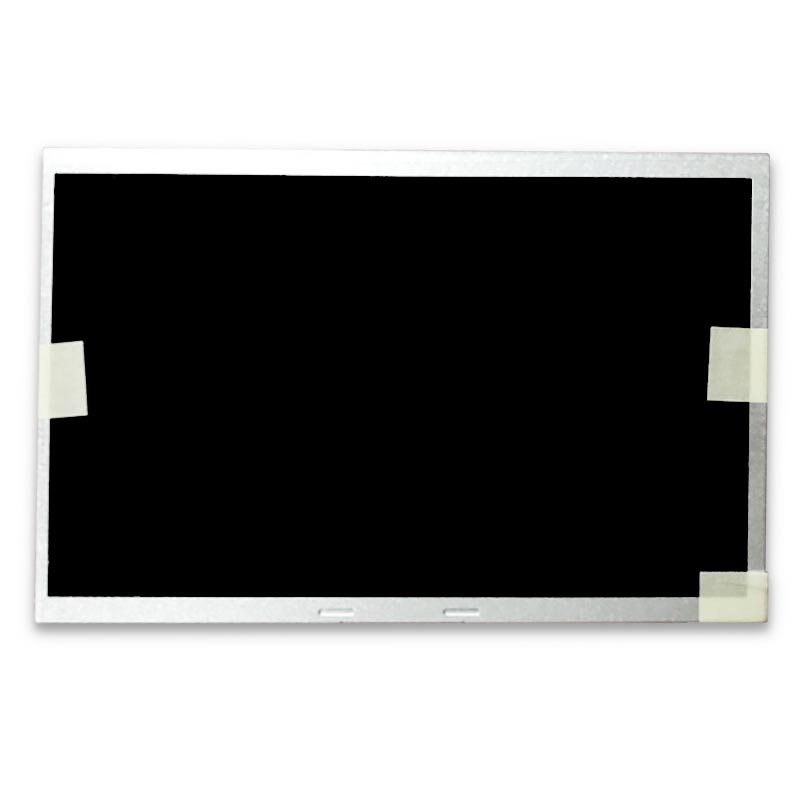
Our exploration will dissect the module's core architecture, its unique optical performance driven by its STN technology variant, and the critical electrical and mechanical interfaces that dictate integration feasibility. We will then contextualize its use within real-world industries, compare it with alternative technologies, and provide practical guidance for system designers. This deep dive aims to equip engineers, procurement specialists, and product managers with the insights needed to evaluate the G101STN01.3 not just as a display, but as a pivotal system component that balances performance, durability, and cost in specialized environments.
Core Architecture and Technical Specifications
The AUO G101STN01.3 is built around a 10.1-inch diagonal active area with a native resolution of 1024 x 600 pixels (WSVGA). This aspect ratio and resolution are particularly suited for wide-format human-machine interface (HMI) panels, portable diagnostic devices, and industrial control systems. At its heart lies an a-Si TFT (Thin-Film Transistor) active matrix, which provides the switching mechanism for each individual pixel, ensuring precise control.
However, the module's designation "STN" in this context requires clarification. Unlike passive STN (Super Twisted Nematic) displays, this is an active-matrix TFT module that likely utilizes an advanced STN-type liquid crystal mode or cell structure from AUO's proprietary lineage. This design choice influences its optical traits, such as wider viewing angles and improved contrast compared to early-generation TN panels. The module typically features a standard RGB stripe arrangement and is designed for integration with an LVDS (Low Voltage Differential Signaling) interface, a robust and noise-resistant standard for transmitting high-speed video data within electrically noisy environments.
Optical Performance and Display Characteristics
The visual output of the G101STN01.3 is defined by a set of interdependent optical parameters. Its contrast ratio, a key metric for readability, is engineered to deliver clear differentiation between bright and dark states. The brightness level, often in the range of several hundred nits, determines its usability in both indoor and moderately bright settings. A critical differentiator is its viewing angle performance. Leveraging its underlying LC technology, the module typically offers wider horizontal and vertical viewing angles than conventional TN panels, making it suitable for applications where multiple operators may view the screen from different positions.
Color gamut and saturation are tuned for reliability and consistency rather than the wide gamuts required for consumer media. The choice of backlighting system—usually an LED array—directly impacts brightness uniformity, longevity, and power consumption. These optical characteristics are not standalone specs; they collectively determine the module's effectiveness in conveying information clearly, reducing operator eye strain, and maintaining performance over its operational lifetime in potentially harsh conditions.
Electrical Interface and Power Management
Successful integration of the G101STN01.3 hinges on a clear understanding of its electrical requirements. The LVDS interface is central to this, requiring a compatible controller board or system-on-chip (SoC) to generate the correct signaling. The number of data lanes and clock channels must be matched to the host system to ensure a stable image. Power supply design is equally crucial. The module requires a precise and clean input voltage for its logic and TFT drivers, while the LED backlight operates on a separate, often higher-current, circuit.
Implementing effective power management strategies can significantly enhance the end product's efficiency. This may involve dimming the backlight via PWM (Pulse Width Modulation) control based on ambient light sensors or application state. Designers must account for inrush current during backlight startup and ensure the power sequencing between the panel logic and the backlight complies with manufacturer guidelines to prevent potential damage. Proper decoupling and shielding are also essential to minimize electromagnetic interference (EMI), which is paramount in sensitive industrial or medical environments.
Mechanical Design and Environmental Robustness
The physical construction of the G101STN01.3 is tailored for embedded integration. Its outline dimensions, bezel size, and mounting hole patterns are standardized to fit common chassis designs. The module's thickness and weight influence the overall form factor of the end device. A key mechanical consideration is the choice of surface treatment. The front surface typically features a hard-coated polarizer to resist scratches and abrasions from frequent touch or cleaning.
For challenging environments, the module may be specified with an optional optical bonding service. This process fills the air gap between the LCD cell and the cover glass or touch sensor with a transparent resin. Optical bonding eliminates internal reflection, greatly improving sunlight readability, and enhances mechanical durability by creating a solid laminate that is resistant to condensation and physical shock. Furthermore, the module's operational and storage temperature ranges define its suitability for applications exposed to extreme heat or cold, such as in transportation, outdoor kiosks, or unheated industrial facilities.
Application Landscape and Industry Use Cases
The technical profile of the G101STN01.3 makes it a versatile solution across several specialized sectors. In industrial automation, it serves as the primary interface for PLCs (Programmable Logic Controllers), CNC machine controls, and factory floor monitoring stations, where reliability and clear visibility under variable lighting are paramount. The medical device industry utilizes this module in patient monitoring equipment, portable diagnostic scanners, and laboratory instruments, valuing its stable performance and compliance with relevant safety standards.
Beyond these, it finds a home in point-of-sale (POS) systems, self-service kiosks, and transportation infotainment or control displays. In each case, the decision to select this module over a consumer-grade panel is driven by the need for extended product lifecycles, consistent long-term supply, and a performance guarantee across a wider temperature spectrum. Its balance of viewability, interface robustness (LVDS), and moderate cost positions it as a pragmatic choice for OEMs developing professional-grade equipment.
System Integration and Sourcing Considerations
Integrating the G101STN01.3 into a final product involves several practical steps. Designers must source or develop a compatible LCD controller board that translates video output from the host processor into the module's required LVDS signal format. Touch functionality, if needed, requires the integration of a separate resistive or projected capacitive overlay, carefully aligned and connected. Thermal management must be addressed, as the backlight and driving electronics generate heat that must be dissipated to ensure longevity.
From a sourcing perspective, engaging with authorized distributors or directly with AUO is critical to guarantee receipt of genuine, high-quality modules. Lead times, minimum order quantities (MOQs), and long-term availability forecasts are essential discussions for production planning. Evaluating the total cost of ownership—including the price of the module, controller, power supply, and mechanical integration—provides a more accurate picture than the unit cost alone. Finally, securing detailed technical documentation and application notes from the supplier is invaluable for a smooth and successful design-in process.
FAQs: G101STN01.3 10.1" TFT LCD Module
Q1: What does "STN" mean in the G101STN01.3 model name?A: In AUO's naming, it refers to a specific liquid crystal cell technology offering wider viewing angles than traditional TN panels, not a passive display.
Q2: What is the screen resolution of this module?A: It has a WSVGA resolution of 1024 x 600 pixels.
Q3: What type of video interface does it use?A: It uses a standard LVDS (Low Voltage Differential Signaling) interface.
Q4: Is this module suitable for outdoor use?A: With sufficient brightness and optional optical bonding, it can be used in moderately bright outdoor conditions, but direct sunlight may require additional measures.
Q5: Can I add a touchscreen to this display?A: Yes, it is compatible with external resistive or capacitive touch panels that must be sourced and integrated separately.
Q6: What is the typical backlight lifetime?A: The LED backlight typically has a lifetime of 20,000 to 50,000 hours, depending on drive current and operating temperature.
Q7: Does it require a specific power supply voltage?A: Yes, it requires specific logic and backlight voltages as per the datasheet (e.g., 3.3V for logic, a higher voltage for the LED string).
Q8: What are the main advantages over consumer laptop panels?A: Advantages include longer lifecycle availability, wider operating temperature range, robust LVDS interface, and design for continuous operation.
Q9: Where can I find a driver board for this module?A: Driver boards are available from third-party controller manufacturers or can be custom-designed; some AUO distributors also offer compatible solutions.
Q10: Is the G101STN01.3 still in production and available?A: Availability must be confirmed with AUO or authorized distributors, as production status for industrial modules can change based on long-term demand.
Conclusion
The AUO G101STN01.3 10.1-inch TFT LCD module represents a carefully engineered solution designed for the rigorous demands of industrial and professional embedded systems. Its value proposition lies not in cutting-edge consumer specifications, but in a reliable, consistent, and robust performance profile tailored for long-term use. From its specific optical performance and sturdy LVDS interface to its mechanical adaptability and environmental tolerance, every aspect is optimized for integration into products where failure is not an option.
For engineers and product developers, selecting this module is a strategic decision that balances technical requirements with practical considerations of supply chain, lifecycle management, and total system cost. By thoroughly understanding its architecture, integration parameters, and ideal application contexts, one can effectively leverage the G101STN01.3 to build durable, readable, and reliable human-machine interfaces that stand the test of time and environment.





