

















In the intricate world of electronic design and device manufacturing, the display panel is far more than a simple window to digital content; it is the primary interface for human-machine interaction. Among the myriad of components available, specific model numbers like the G101QAN01.1 represent not just a part, but a carefully engineered solution with defined characteristics and applications. This 10.1-inch TFT display module, manufactured by AU Optronics (AUO), a global leader in display technology, is a quintessential example of a component designed to balance performance, reliability, and integration efficiency.
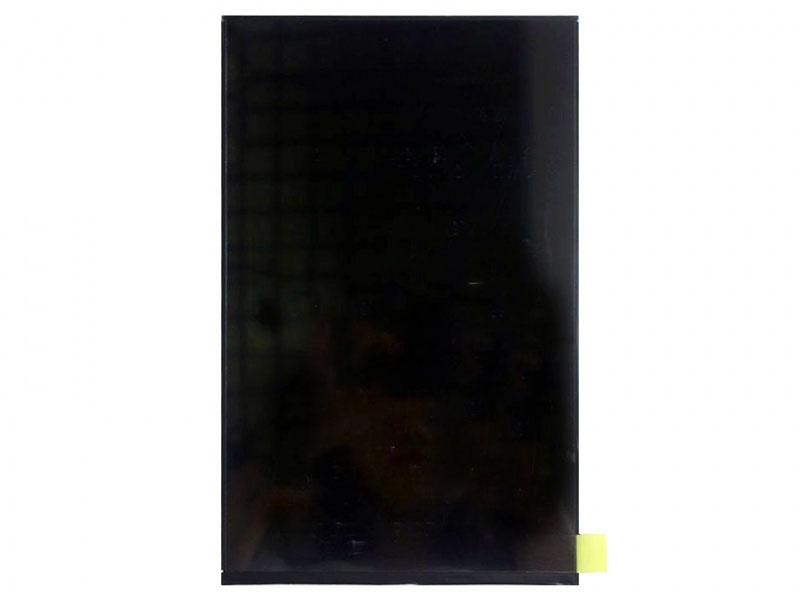
This article delves into a comprehensive analysis of the AUO G101QAN01.1 display. We will move beyond basic datasheet specifications to explore its architectural strengths, the specific market niches it serves, and the practical considerations for engineers and product developers. From its optical performance and interface technology to its role in enabling next-generation portable and industrial devices, this deep dive aims to provide a holistic understanding of why this particular display module is a critical component in today's connected technological landscape.
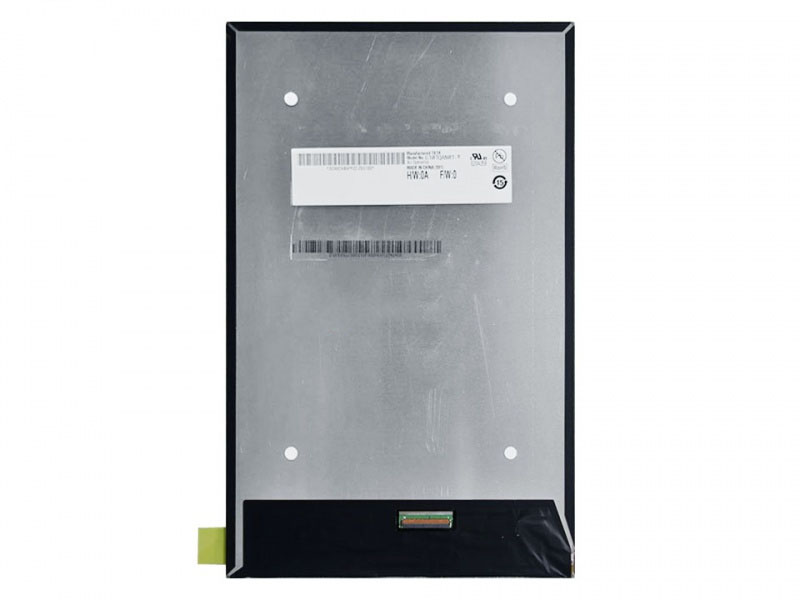
Decoding the G101QAN01.1: Core Specifications and Architecture
The AUO G101QAN01.1 is a 10.1-inch diagonal TFT-LCD module with a native resolution of 1280 x 800 pixels (WXGA). This 16:10 aspect ratio offers a versatile canvas suitable for both modern multimedia consumption and data-intensive vertical applications. The module typically employs In-Plane Switching (IPS) or Advanced Hyper-Viewing Angle (AHVA) panel technology, which is a hallmark of AUO's portfolio, providing superior color consistency, wider viewing angles (often exceeding 85/85/85/85 degrees), and improved image stability compared to older TN panels.
At its core, the architecture integrates the LCD glass, driver ICs, backlight unit (BLU), and power supply circuitry into a compact, robust form factor. The backlight system, usually utilizing LED edge-lighting, is engineered for balanced luminance (typically ranging from 300 to 500 nits) and efficient power consumption. Understanding this foundational architecture is crucial, as it directly dictates the module's optical performance, durability, and compatibility with different operating environments, setting the stage for its application-specific advantages.
Optical Performance and User Experience Enhancements
The visual fidelity of the G101QAN01.1 is a key differentiator. With a color gamut covering a significant portion of the sRGB spectrum (often around 70% NTSC), it delivers vibrant and accurate color reproduction essential for medical imaging, portable entertainment devices, and point-of-sale systems. The high contrast ratio (e.g., 800:1 or 1000:1) ensures deep blacks and clear image separation, enhancing readability and visual depth.
Furthermore, AUO often incorporates advanced optical bonding options in such modules. This process fills the air gap between the cover glass and the LCD with a clear resin, dramatically reducing surface reflection, improving sunlight readability, and making the display more rugged by mitigating internal condensation and physical shock. These enhancements collectively transform raw specifications into a tangible, high-quality user experience, reducing eye strain and ensuring clarity in diverse lighting conditions.
Interface and Integration: The Critical Link to System Design
A display module does not operate in isolation; its interface is the critical link to the host system's mainboard. The G101QAN01.1 commonly features a Low-Voltage Differential Signaling (LVDS) interface. LVDS remains a prevalent and robust standard in industrial and embedded applications due to its noise immunity, reliability over longer cable runs, and lower electromagnetic interference (EMI).
For integrators, this means ensuring the host system's graphics controller or System-on-Chip (SoC) supports an LVDS output with the correct channel configuration (typically single-channel 8-bit or dual-channel). The integration process also involves careful management of power sequencing, signal integrity, and mechanical mounting. This chapter underscores that successful implementation hinges on treating the display not as a passive component but as an active subsystem requiring precise electrical and firmware coordination.
Target Applications and Market Relevance
The specific blend of size, resolution, robustness, and interface technology makes the G101QAN01.1 exceptionally suited for several key markets. In the industrial automation and HMI sector, its wide viewing angle and reliable LVDS interface are vital for control panels and monitoring equipment. The portable medical device field values its color accuracy, compact form factor, and potential for optical bonding for sanitization.
Additionally, it finds a strong fit in transportation and logistics (e.g., vehicle-mounted terminals, rugged tablets), retail and hospitality (POS systems, self-service kiosks), and consumer tech (high-end portable monitors, gaming device peripherals). Its 10.1-inch size represents a sweet spot between portability and sufficient screen real estate for productive multitasking or detailed graphical information display.
Comparative Advantages and Supply Chain Considerations
Choosing the G101QAN01.1 over a generic display offers distinct advantages. Sourcing from AUO, a Tier-1 manufacturer, guarantees consistent quality, rigorous reliability testing (including extended temperature ranges), and long-term supply stability—a non-negotiable factor for products with multi-year lifecycles. Furthermore, AUO provides comprehensive technical documentation and often, engineering support.
However, supply chain strategy is paramount. Engineers must consider lead times, minimum order quantities (MOQs), and the availability of compatible accessories like cables and driver boards. Establishing a relationship with authorized distributors or considering alternative, compatible panel models with similar mechanical and electrical characteristics (a "second source") are prudent risk mitigation strategies in today's global electronics landscape.
Future-Proofing and Technological Trajectory
While the G101QAN01.1 is a mature and proven solution, its design philosophy aligns with ongoing trends. The move towards lower power consumption via more efficient LED backlights and driver electronics remains persistent. There is also a growing demand for narrower bezels to enable more seamless multi-display setups or sleeker end-product designs.
Looking forward, the underlying technologies in panels like this inform the development of next-generation displays. The expertise in IPS/AHVA technology, optical bonding, and robust interface design directly feeds into advancements in higher-resolution panels, displays with integrated touch (e.g., on-cell touch), and even more ruggedized solutions for extreme environments. Understanding this module provides a foundational insight into the trajectory of the entire TFT display industry.
FAQs: G101QAN01.1 10.1" TFT Display
Q1: What is the resolution of the AUO G101QAN01.1 display?A1: It has a WXGA resolution of 1280 x 800 pixels with a 16:10 aspect ratio.
Q2: What type of panel technology does it use?A2: It typically utilizes IPS or AHVA technology for wide viewing angles and good color reproduction.
Q3: What is the primary interface for this display?A3: It commonly uses an LVDS (Low-Voltage Differential Signaling) interface for robust data transmission.
Q4: Is this display suitable for outdoor use?A4: With a standard brightness of ~300-500 nits, it can be used in bright indoor settings. For direct sunlight, a high-brightness variant or optical bonding is recommended.
Q5: What are the typical applications for this module?A5: Common applications include industrial HMIs, medical devices, portable monitors, POS systems, and transportation terminals.
Q6: Does it have a touch screen?A6: The G101QAN01.1 is primarily an LCD module. Touch functionality (resistive or capacitive) is usually added as a separate component layered on top.
Q7: What are the key advantages of sourcing from AUO?A7: Advantages include guaranteed quality, reliability testing, long-term supply stability, and comprehensive technical support.
Q8: What should I check for system integration?A8: Verify LVDS channel compatibility (single/dual), power requirements, signal timing, and the physical mounting configuration.
Q9: Can I get a compatible driver board for this display?A9: Yes, many third-party and AUO-authorized suppliers offer LVDS controller boards compatible with this panel's interface and power needs.
Q10: How does optical bonding benefit this display?A10: Optical bonding reduces glare, improves sunlight readability, enhances durability, and offers better resistance to condensation and impacts.
Conclusion
The AUO G101QAN01.1 10.1-inch TFT display module exemplifies how a well-engineered component becomes a linchpin in successful product design. Its value extends beyond a checklist of specifications—encompassing superior optical performance through IPS technology, reliable integration via LVDS, and the inherent quality of a Tier-1 manufacturer. This analysis reveals that its true significance lies in solving real-world engineering challenges across industrial, medical, and commercial domains.
For product developers and engineers, selecting a display like the G101QAN01.1 is a strategic decision that impacts user experience, product longevity, and manufacturing stability. By understanding its architecture, application fit, and integration requirements, teams can leverage this robust technology to build more competitive, reliable, and visually compelling devices. In a market saturated with options, such deep component knowledge is not just an advantage—it is a necessity for innovation.





