



















- Industrie-LCD-Display
-
Industrial Products
- DC Servo Drive
- AC Servo Drive
- PCB
- Siemens
- Switch Sensor
- Näherungsschalter
- Temperaturregler
- Schutzrelais
- Fiber Optic Sensor
- Encoder
- Fan
- other
- Heidelberg
- MITSUBISHI
- FANUC
- Siemens adapter
- Fujitsu connector
- Der Aufsichtsrat
- Board
- Contactor
- Circuit
- Omron
- Relais.
- Motortreiber
- power supply
- Cable
- Transformator
- HMI Touch-Glas
-
HMI-Vollautomat Ganze Einheit
- OMRON HMI Touch Panel
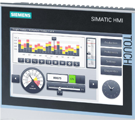
- Siemens HMI Touch Panel
- Mitsubishi HMI Touch Panel
- Allen-Bradley Automatisierung HMI Touch
- DELTA HMI Touch Panel
- EVIEW DELTA HMI Touch Panel
- KINCO DELTA HMI Touch Panel
- HITECH HMI Touch Panel
- WEINTECK HMI Touch Panel
- TECVIEW HMI Touch Panel
- WEINVIEW HMI Touch Panel
- PANASONIC HMI Touch Panel
- KYOCERA HMI Touch Panel
- SCHNEIDER HMI Touch Panel
- Module
- LCD Wechselrichter
- Membran Tastenfeld Schalter
- Winni Touch Screens
- Frequenzumrichter
- Servo Motor
- PLC
In the competitive landscape of human-machine interfaces, the choice of a display module can define the success of an embedded system or industrial device. At the heart of many advanced solutions lies the G101ICE-LH1, a 7.0-inch LCD display module from the renowned manufacturer INNOLUX. This component is far more than a simple screen; it represents a sophisticated integration of optical performance, electrical engineering, and robust mechanical design, engineered to meet the rigorous demands of diverse applications.
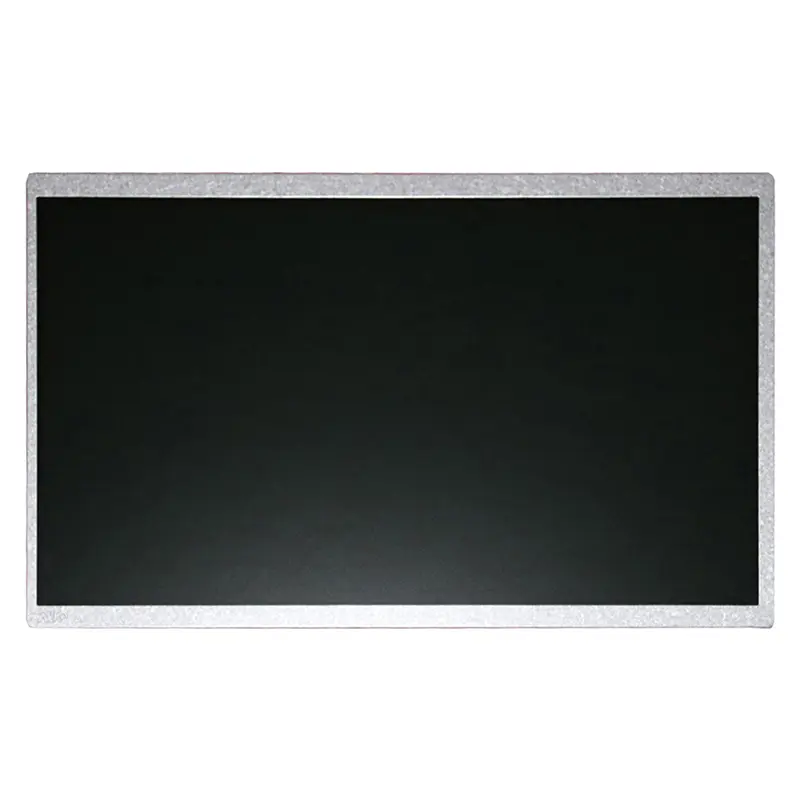
This article delves into a comprehensive technical and application-oriented analysis of the G101ICE-LH1 module. We will move beyond basic datasheet specifications to explore its defining characteristics, the technology that powers its visual output, and the critical design considerations for implementation. Our journey will cover its optimal use cases, the tangible benefits it delivers to product developers, and a forward-looking perspective on its role in evolving markets. This deep dive aims to provide engineers, procurement specialists, and product managers with the insights needed to evaluate this module as a cornerstone for their next-generation devices.
Unpacking the G101ICE-LH1: Core Specifications and Architecture
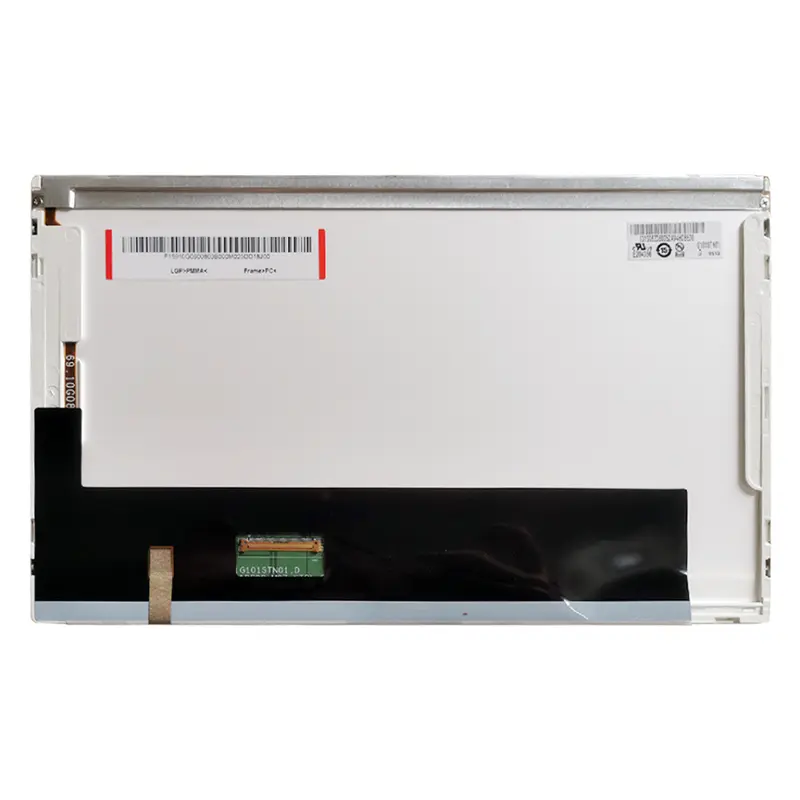
The INNOLUX G101ICE-LH1 is a 7.0-inch TFT-LCD module with a resolution of 1024 (RGB) x 600 pixels (WSVGA). This pixel density offers a sharp image suitable for displaying detailed graphics and text. At its core is an a-Si (amorphous Silicon) TFT panel, a mature and cost-effective technology known for its reliability and consistent performance. The module features a standard LVDS (Low-Voltage Differential Signaling) interface, which ensures high-speed data transmission with reduced electromagnetic interference, a critical factor in noise-sensitive environments.
Beyond the panel, the module integrates a LED backlight system, typically configured for a long operational life and uniform brightness distribution. The mechanical outline, including mounting hole positions and front bezel dimensions, is designed for straightforward integration into various chassis. Understanding this architecture—the synergy between the driver IC, the glass substrate, the backlight unit, and the interface—is fundamental to appreciating its subsequent performance characteristics and design requirements.
The Visual Advantage: Optical Performance and Readability
Where the G101ICE-LH1 truly distinguishes itself is in its optical performance, tailored for challenging viewing conditions. It boasts a high brightness rating, often reaching 1000 nits or more, making it clearly readable under direct sunlight or in brightly lit industrial settings. This is complemented by a high contrast ratio, which ensures deep blacks and vibrant colors, enhancing the clarity of the displayed information.
Furthermore, the module is available with various optical bonding options. Optical bonding fills the air gap between the cover glass (or touch panel) and the LCD with a transparent resin. This process significantly reduces surface reflections, improves contrast in ambient light, and mitigates internal condensation. For applications requiring touch functionality, this bonding also enhances touch sensitivity and durability. The result is a display that delivers superior readability, reduced eye strain, and ruggedness—key attributes for medical equipment, transportation systems, and outdoor kiosks.
Designing for Integration: Electrical and Interface Considerations
Successful implementation of the G101ICE-LH1 hinges on meticulous attention to its electrical and interface requirements. Designers must carefully manage the power supply sequence to the TFT panel, driver logic, and backlight to prevent potential damage. The LVDS interface, while robust, requires controlled impedance routing on the host's PCB to maintain signal integrity over the connecting cable, typically an FPC (Flexible Printed Circuit) or FFC (Flexible Flat Cable).
Thermal management is another crucial aspect. Although LED backlights are efficient, they generate heat. Ensuring adequate ventilation or heat dissipation around the module prevents overheating, which can degrade performance and shorten lifespan. Additionally, designers must account for the electromagnetic compatibility (EMC) of the entire system, as the display module can both emit and be susceptible to interference. Proper shielding and grounding strategies are non-negotiable for passing regulatory certifications.
Target Applications: Where the G101ICE-LH1 Excels
The technical profile of the G101ICE-LH1 makes it an ideal candidate for a spectrum of demanding applications. In the industrial automation sector, it serves as a reliable HMI for PLCs, control panels, and test equipment, where clarity and 24/7 operation are paramount. The transportation field utilizes it in dashboard displays, onboard infotainment, and rear-seat entertainment systems, benefiting from its wide temperature tolerance and high brightness.
Medical devices, such as patient monitors and diagnostic equipment, leverage its high contrast and reliability for critical data visualization. Furthermore, it is a strong fit for point-of-sale (POS) terminals, kiosks, and ruggedized handheld devices across retail, logistics, and field service. In each case, the module's blend of performance, durability, and industry-standard interfaces allows it to meet specific environmental and operational challenges.
Value Proposition: Cost, Reliability, and Supply Chain Benefits
Choosing a module like the G101ICE-LH1 is not merely a technical decision but a strategic business one. INNOLUX, as a tier-one panel manufacturer, offers significant advantages in terms of supply chain stability and consistent quality at volume. This reduces the risk of production delays and ensures long-term product lifecycle support, which is crucial for industrial and medical products with extended market lives.
The module's design represents a balance of performance and cost-effectiveness. By integrating key components into a certified, tested unit, it dramatically reduces the engineering burden, development time, and compliance risks associated with a custom display solution. The inherent reliability of its components and construction translates into lower total cost of ownership (TCO) through reduced failure rates and maintenance needs in the field.
The Future Context: Evolving Demands and Compatibility
As technology advances, display requirements evolve. While the G101ICE-LH1 is built on proven a-Si technology, understanding its position in the market is key. It stands as a robust solution for applications that prioritize reliability, wide-temperature operation, and high brightness over ultra-high resolution or flexible form factors. The industry trend towards wider aspect ratios and higher pixel densities may not displace its relevance in its core markets for years to come.
Future-proofing a design often involves considering the ecosystem. The module's standard LVDS interface ensures compatibility with a wide range of mainstream processors and controllers. However, designers should also be aware of emerging interface standards like MIPI DSI for space-constrained designs. The G101ICE-LH1’s enduring value lies in its ability to serve as a dependable, high-performance workhorse in applications where consistent operation under stress is the primary currency.
FAQs: Quick Answers on the G101ICE-LH1 Module
1. What is the screen size and resolution of the G101ICE-LH1?It is a 7.0-inch diagonal TFT LCD with a resolution of 1024 x 600 pixels (WSVGA).
2. Who manufactures the G101ICE-LH1 display module?It is manufactured by INNOLUX, a leading global supplier of TFT-LCD panels and modules.
3. What is the primary interface for this display?It uses a standard LVDS (Low-Voltage Differential Signaling) interface for data transmission.
4. Is this module suitable for outdoor use?Yes, its high brightness (typically 1000+ nits) and optional optical bonding make it suitable for sunlight-readable applications.
5. Does it have a touch screen?The G101ICE-LH1 is a display module. Touch functionality (resistive or capacitive) is typically added as a separate component, often laminated via optical bonding.
6. What is the typical operating temperature range?Standard operating temperature ranges are usually from -20°C to 70°C, but specific grades may vary. Always consult the datasheet.
7. What is optical bonding, and why is it important?It is a process that eliminates the air gap between the display and cover glass. It improves readability, reduces glare, and enhances durability.
8. What are the main application areas for this module?Industrial HMIs, medical devices, transportation systems, POS/kiosks, and rugged handheld equipment.
9. What are the key design-in considerations?Critical factors include power sequencing, LVDS signal integrity, thermal management, and EMC design.
10. What are the advantages of using this integrated module?Advantages include reduced engineering effort, assured component compatibility, simplified supply chain management, and proven reliability.
Conclusion
The INNOLUX G101ICE-LH1 7.0-inch LCD module emerges as a compelling solution engineered for performance-critical environments. Its value extends beyond a list of specifications into the realm of assured reliability, superior optical clarity under duress, and streamlined integration. For product developers navigating the complexities of industrial, medical, or transportation interfaces, this module offers a balanced answer to the triple challenge of quality, durability, and cost-effectiveness.
In a world where the display is often the primary point of interaction between human and machine, selecting a component like the G101ICE-LH1 is a strategic decision that impacts user experience, product longevity, and brand reputation. By understanding its architecture, capabilities, and ideal applications, engineers can confidently leverage this module to build devices that are not only functional but resilient and clear in their communication, whatever the operating conditions may be.





