













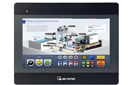




- Industrie-LCD-Display
-
Industrial Products
- DC Servo Drive
- AC Servo Drive
- PCB
- Siemens
- Switch Sensor
- Näherungsschalter
- Temperaturregler
- Schutzrelais
- Fiber Optic Sensor
- Encoder
- Fan
- other
- Heidelberg
- MITSUBISHI
- FANUC
- Siemens adapter
- Fujitsu connector
- Der Aufsichtsrat
- Board
- Contactor
- Circuit
- Omron
- Relais.
- Motortreiber
- power supply
- Cable
- Transformator
- HMI Touch-Glas
-
HMI-Vollautomat Ganze Einheit
- OMRON HMI Touch Panel
- Siemens HMI Touch Panel
- Mitsubishi HMI Touch Panel
- Allen-Bradley Automatisierung HMI Touch
- DELTA HMI Touch Panel
- EVIEW DELTA HMI Touch Panel
- KINCO DELTA HMI Touch Panel
- HITECH HMI Touch Panel
- WEINTECK HMI Touch Panel
- TECVIEW HMI Touch Panel
- WEINVIEW HMI Touch Panel
- PANASONIC HMI Touch Panel
- KYOCERA HMI Touch Panel
- SCHNEIDER HMI Touch Panel
- Module
- LCD Wechselrichter
- Membran Tastenfeld Schalter
- Winni Touch Screens
- Frequenzumrichter
- Servo Motor
- PLC
In the intricate ecosystem of electronic devices, from industrial control panels to portable medical equipment, the display screen serves as the critical interface between human and machine. Among the myriad of display modules available, the G101HAN01.0 stands out as a specialized and highly engineered component. This 10.1-inch LCD panel, manufactured by AU Optronics (AUO), is not a generic consumer-grade screen but a precision tool designed for integration into demanding applications where reliability, clarity, and performance are non-negotiable.
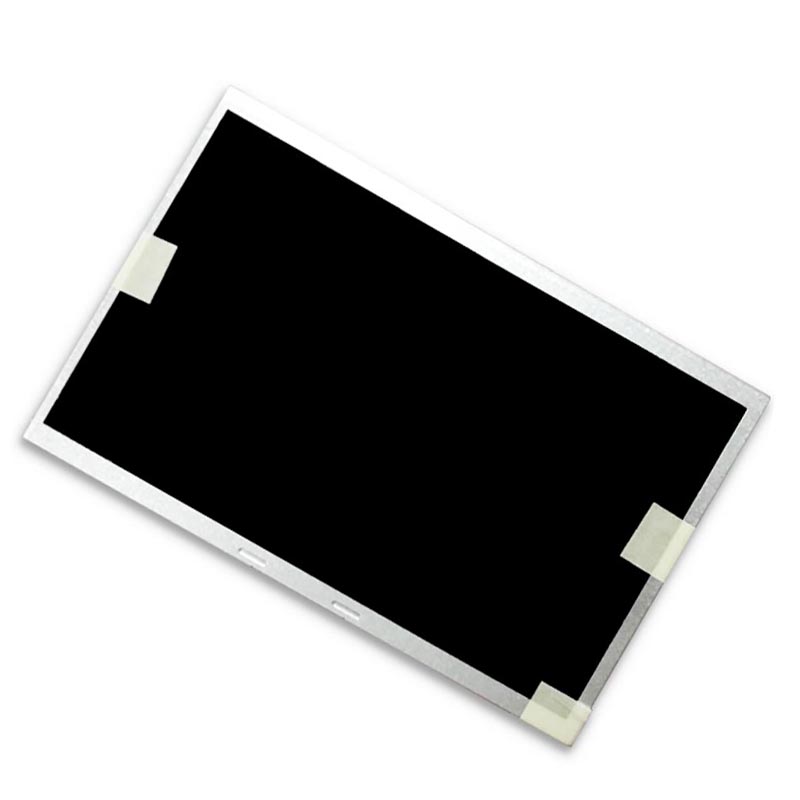
This article delves into a comprehensive technical and practical analysis of the AUO G101HAN01.0 display. We will move beyond basic specifications to explore its underlying technology, the unique advantages it offers to engineers and product developers, and the specific market niches it serves. Understanding this component's capabilities is essential for anyone involved in selecting the optimal display solution for professional, industrial, or embedded systems, ensuring the end product delivers exceptional visual performance and durability.
Decoding the G101HAN01.0: Core Specifications and Technology
The AUO G101HAN01.0 is a 10.1-inch diagonal LCD module with a resolution of 1280 x 800 pixels (WXGA). This 16:10 aspect ratio provides a balanced workspace, suitable for both landscape and portrait orientations in various applications. At its heart lies an a-Si TFT (Amorphous Silicon Thin-Film Transistor) LCD panel, a mature and cost-effective technology known for its stability and good image quality.
The module features an LED backlight system, which offers significant advantages over older CCFL technology, including lower power consumption, longer lifespan, and a mercury-free design. A key specification is its brightness, typically rated at 300 cd/m² or higher, ensuring readability in moderately bright environments. The screen utilizes a standard LVDS (Low-Voltage Differential Signaling) interface, a robust and widely adopted protocol for transmitting high-speed video data with minimal noise interference, making it compatible with a broad range of controller boards and system-on-chip (SoC) solutions.

Engineering Advantages: Why Choose This Specific Panel?
Selecting the G101HAN01.0 is driven by more than just its size and resolution. Its engineering pedigree offers distinct advantages. The use of AUO's reliable a-Si TFT process ensures consistent performance and yield, which is crucial for industrial supply chains. The panel is designed with long-term durability in mind, capable of operating over a wide temperature range, which is often a prerequisite for industrial, automotive, or outdoor-adjacent applications.
Furthermore, its optical characteristics are tuned for functionality. It typically offers a wide viewing angle (e.g., 80/80/80/80 in Left/Right/Up/Down directions), allowing information to be seen clearly from various positions—a vital feature for shared control panels or medical carts. The contrast ratio and color gamut are sufficient for accurate data representation and graphical user interfaces, rather than high-end media consumption, aligning perfectly with its intended use cases in B2B and embedded environments.
Target Applications and Market Niches
The G101HAN01.0 is not designed for laptops or tablets but excels in specialized vertical markets. A primary application is in Industrial Human-Machine Interfaces (HMIs) and control systems for factory automation, where its robustness and clear display of real-time data are paramount. It is equally prevalent in the medical field, integrated into diagnostic equipment, patient monitoring systems, and portable medical devices, where reliability can be a matter of life and death.
Other key niches include point-of-sale (POS) terminals, kiosks, and interactive digital signage, where continuous operation and legibility are required. It also finds use in transportation and logistics (e.g., vehicle telematics, forklift displays) and various test and measurement instruments. In each case, the panel is valued as a dependable component within a larger, mission-critical system.
Integration Considerations and Technical Challenges
Successfully integrating the G101HAN01.0 into a product requires careful planning. Engineers must account for its power requirements, ensuring the system power supply can deliver the necessary voltage and current for the LCD and its LED backlight. The LVDS interface requires a compatible timing controller (T-CON) or a processor with an integrated LVDS transmitter, and proper PCB layout to maintain signal integrity.
Mechanical integration is another critical factor. Designers must consider the module's exact dimensions, bezel size, and mounting hole positions. Thermal management is also essential, as prolonged high brightness operation can generate heat. Furthermore, selecting the appropriate touch solution (e.g., resistive, projected capacitive) if needed, and ensuring it aligns with the optical stack of the display, is a crucial step in creating a seamless user interface.
Sourcing, Compatibility, and Alternative Options
The G101HAN01.0 is a standard catalog part from AUO, available through authorized distributors and specialized display module suppliers. When sourcing, it is vital to verify the revision and lot code to ensure consistency, especially for long-term production projects. A common consideration is compatibility with so-called "compatible" or "replacement" panels from other manufacturers.
While panels with identical physical dimensions and interfaces may exist, subtle differences in pinouts, power sequences, optical bonding, or firmware can cause integration issues. It is always recommended to consult the official AUO datasheet and, if considering an alternative, conduct thorough compatibility testing. The ecosystem also includes suppliers who offer this panel as part of a complete kit, bundled with a controller board, cables, and sometimes a touchscreen, simplifying the development process.
Maximizing Longevity and Performance in End Products
To ensure the G101HAN01.0 delivers its full potential throughout the product's lifecycle, several best practices should be followed. Managing the backlight current is key; operating it at less than 100% brightness when possible can dramatically extend the LED lifespan and reduce power consumption. Implementing proper power sequencing during startup and shutdown, as per the datasheet, prevents voltage spikes that could damage the delicate TFT array.
For applications exposed to varying light conditions, integrating an ambient light sensor to dynamically adjust backlight brightness enhances user comfort and saves energy. Finally, protecting the screen surface with an appropriate optical grade cover lens or anti-glare treatment can prevent scratches and improve readability, ensuring the interface remains clear and functional for years of service.
Frequently Asked Questions (FAQs)
Q1: What is the exact resolution of the G101HAN01.0?A: It has a WXGA resolution of 1280 (horizontal) x 800 (vertical) pixels.
Q2: What type of interface does it use?A: It uses a standard LVDS (Low-Voltage Differential Signaling) interface.
Q3: Is this panel suitable for outdoor use?A: It has moderate brightness (~300 nits). For direct sunlight readability, a high-brightness variant or additional optical enhancements would be needed.
Q4: Can I add a touchscreen to this display?A: Yes, it is commonly paired with resistive or capacitive touchscreens. You must source a compatible touch overlay and controller.
Q5: What is the typical operating temperature range?A: It is designed for industrial use, typically ranging from -20°C to 70°C, but always confirm with the specific datasheet.
Q6: Where is this display commonly used?A: Primary applications include industrial HMIs, medical devices, POS systems, kiosks, and transportation displays.
Q7: How do I power this LCD module?A: It requires specific voltage inputs for the logic board and the LED backlight (e.g., 3.3V for logic, a higher voltage for backlight). Refer to the pinout diagram.
Q8: Are there direct replacement panels from other brands?A: Some brands may offer "compatible" panels, but pinouts and electrical characteristics may differ. Cross-reference and test thoroughly.
Q9: What is the lifespan of the LED backlight?A: Under normal operating conditions (e.g., at nominal current), the backlight is typically rated for 30,000 to 50,000 hours.
Q10: Where can I buy the G101HAN01.0?A: It is available through authorized electronic component distributors and specialized display module suppliers worldwide.
Conclusion
The AUO G101HAN01.0 10.1-inch LCD display is far more than a simple screen; it is a testament to engineered reliability for the embedded world. Its value lies in its predictable performance, robust construction, and suitability for environments where consumer-grade displays would falter. From the factory floor to the hospital ward, this panel serves as a dependable visual conduit for critical information and control.
For product developers, engineers, and procurement specialists, a deep understanding of its specifications, integration requirements, and ideal applications is crucial. By selecting and implementing the G101HAN01.0 with care, one can build a product interface that is not only functional and clear but also durable enough to meet the rigorous demands of professional and industrial use for years to come.





