

















In the vast ecosystem of electronic components, display modules serve as the critical bridge between digital information and human perception. Among these, the G070Y2-L01 7-inch 800x480 WLED LCD screen module stands out as a remarkably versatile and widely adopted solution. This article delves deep into this specific module, moving beyond basic datasheet specifications to explore its intrinsic technology, practical applications, and the nuanced considerations that define its role in modern device design. We will dissect what makes the G070Y2-L01 a preferred choice for engineers and product developers across industries, from industrial automation to consumer electronics.
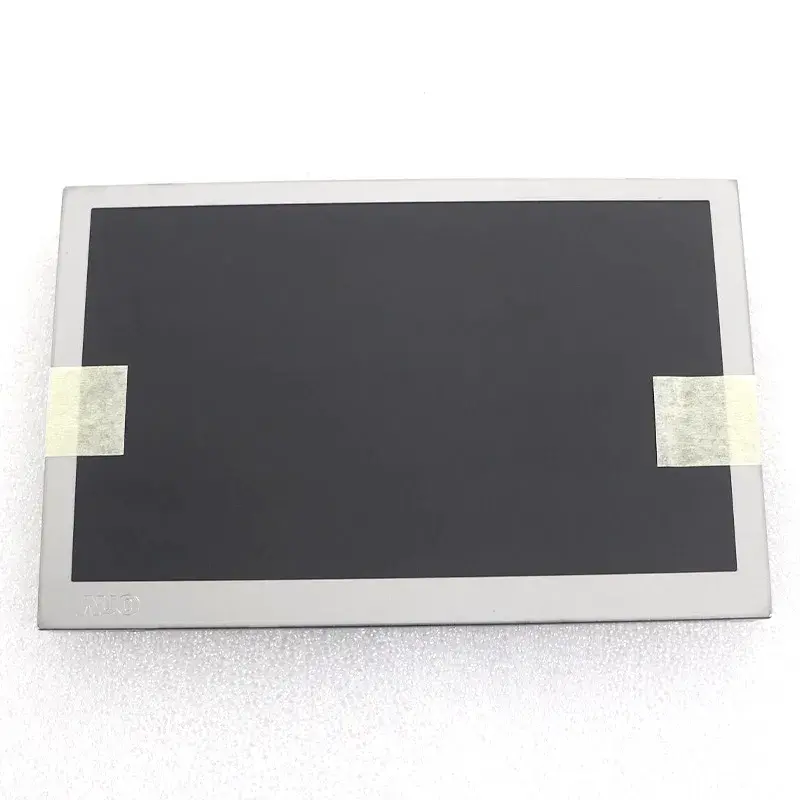
The journey of understanding this component begins with its fundamental identity. The "G070Y2-L01" is not just a random string of characters but a precise model number that encapsulates its physical and electrical characteristics. This 7-inch diagonal display boasts a resolution of 800 pixels horizontally by 480 pixels vertically, a format commonly known as WVGA. Its core technology is a Twisted Nematic (TN) or advanced TN-type Liquid Crystal Display (LCD) panel, illuminated by a grid of White Light Emitting Diodes (WLEDs) positioned at the edges—a configuration known as edge-lit backlighting. This combination results in a compact, relatively bright, and cost-effective display unit. The module is typically supplied as a complete package, integrating the LCD panel, driver circuitry, backlight unit, and often a touch panel overlay, ready for integration into a larger system via a standard interface like LVDS or RGB.
Deconstructing the Core Technology: LCD, WLED, and Interface
To appreciate the G070Y2-L01's capabilities, one must understand the synergy of its core technologies. The LCD panel itself operates by manipulating liquid crystals to control the passage of light. The 800x480 resolution provides a clear, legible image for text and graphics, suitable for interfaces that prioritize functionality over ultra-high-definition media. The WLED backlight represents a significant advancement over older CCFL (Cold Cathode Fluorescent Lamp) technology. WLEDs offer superior energy efficiency, longer lifespan, instant illumination, and a broader operating temperature range. Their edge-lit design allows for a slimmer module profile, crucial for sleek product designs.
Equally important is the interface protocol. The G070Y2-L01 commonly uses LVDS (Low-Voltage Differential Signaling), a robust serial communication standard highly resistant to electromagnetic interference. This makes it ideal for industrial environments where noise is prevalent. The interface ensures high-speed, reliable data transmission from the host controller (like an SBC or FPGA) to the screen, dictating the color depth, refresh rate, and overall signal integrity. Understanding this technological triad is key to effective implementation.
Key Specifications and Performance Parameters
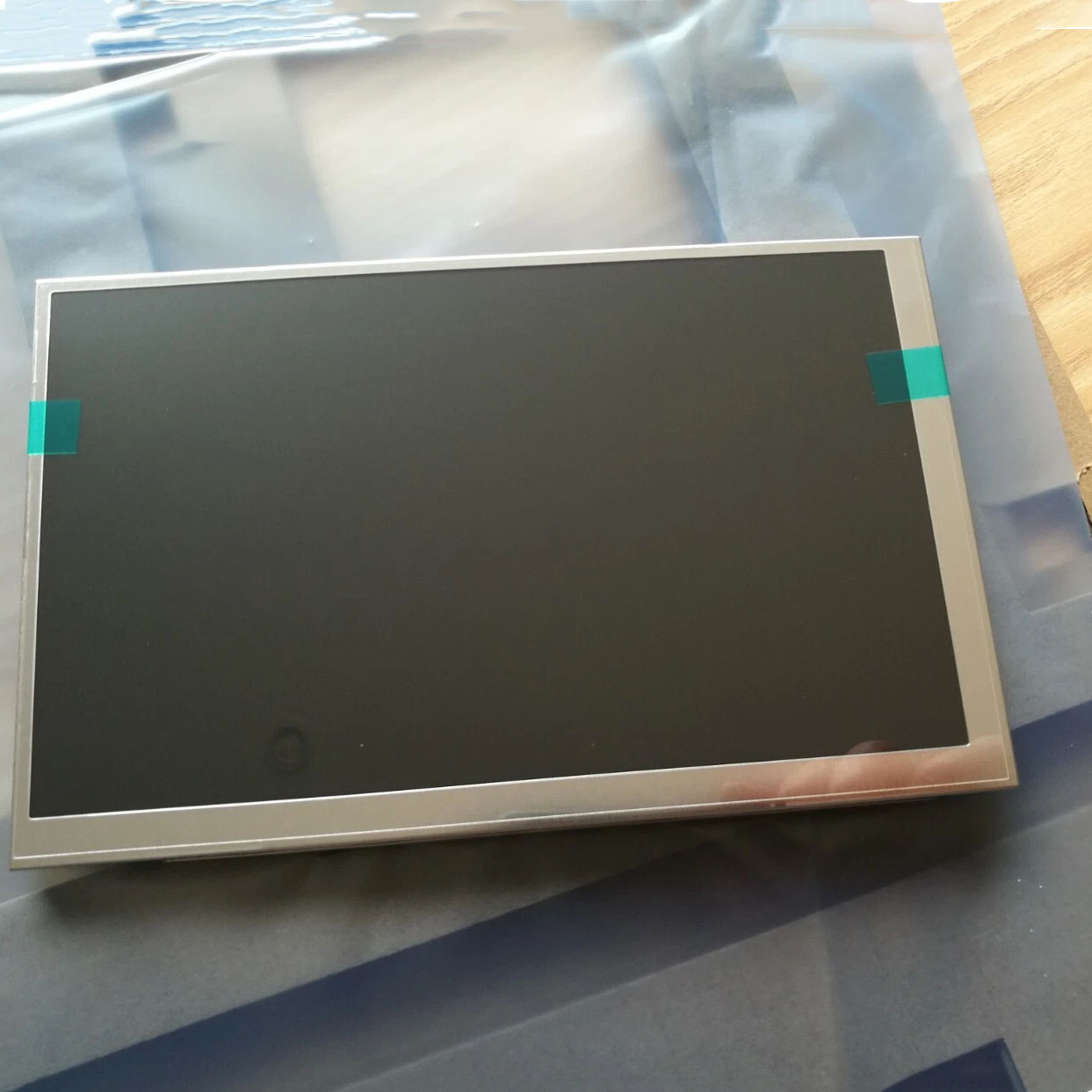
Evaluating the G070Y2-L01 requires a close look at its key performance parameters. The 800 x 480 resolution at a 7-inch size yields a pixel density of approximately 133 PPI (Pixels Per Inch), which is adequate for many human-machine interface (HMI) applications. Its brightness, typically ranging from 250 to 400 nits, ensures readability in moderately lit indoor environments. The contrast ratio defines the difference between the brightest white and the darkest black, impacting image depth.
Other critical specs include the viewing angles (often narrower on TN panels, around 70/70/50/60 degrees), which determine visibility from off-center positions. The operating temperature range (commonly -20°C to 70°C) is vital for industrial or outdoor applications. The power consumption of the WLED backlight directly affects product battery life or thermal design. These parameters are not just numbers; they are the direct link between the module's datasheet and its performance in the real world.
Primary Applications and Industry Use Cases
The G070Y2-L01 finds its home in a diverse array of applications, thanks to its balanced cost-performance ratio. In the industrial sector, it is a staple for HMI panels on PLCs, CNC machines, and test equipment, where durability and clear data presentation are paramount. The automotive aftermarket utilizes it for rear-seat entertainment systems, GPS navigation units, and dashboard displays for auxiliary functions.
Furthermore, it powers point-of-sale (POS) systems, self-service kiosks, and information displays where intuitive user interaction is required. The module is also found in smart home controllers, portable medical diagnostic devices, and various handheld instrumentation. Its versatility stems from its standard size, reliable interface, and the availability of compatible driver boards and touch screen controllers from numerous suppliers.
Integration Challenges and Design Considerations
Successfully integrating the G070Y2-L01 into a product involves navigating several design challenges. Electrical integration requires careful PCB layout to maintain signal integrity for the LVDS lines, proper power sequencing for the LCD and backlight, and often the addition of a timing controller board. Mechanical integration involves designing a bezel that provides structural support, protects the edges, and may include a gasket for dust/water resistance.
Optical considerations are crucial: selecting the right polarizer and potentially adding an anti-glare treatment to the surface can drastically improve sunlight readability. Integrating a touch panel (resistive or capacitive) adds another layer of complexity, involving calibration and driver software. Thermal management for the backlight LEDs and driver ICs must also be addressed to ensure long-term reliability.
Comparative Analysis: G070Y2-L01 vs. Alternative Display Technologies
Placing the G070Y2-L01 in context highlights its market position. Compared to higher-end IPS (In-Plane Switching) LCDs, it typically has narrower viewing angles and less accurate color reproduction, but it wins on cost. Against emerging OLED displays, it lacks perfect blacks and ultra-high contrast but offers longer lifespan and no risk of burn-in, which is critical for static industrial graphics.
Within its own category, alternatives might include displays with higher resolution (1024x600) or different interfaces (MIPI). The choice for the G070Y2-L01 often boils down to a perfect balance: sufficient resolution for its target applications, a robust and familiar LVDS interface, widespread availability, and a total cost of ownership that makes commercial and industrial sense. It represents the reliable workhorse of the mid-sized display segment.
Future Trends and Long-Term Viability
The display technology landscape is perpetually evolving. For modules like the G070Y2-L01, future trends point towards incremental improvements rather than obsolescence. We can expect to see versions with higher brightness for outdoor use, wider temperature ranges, and potentially the integration of more efficient LED backlights to further reduce power consumption. The core WVGA resolution may persist for many dedicated function devices where upgrade costs outweigh benefits.
Its long-term viability is secured by its entrenchment in industrial and embedded systems, where product lifecycles are long and reliability is prized over chasing the latest consumer display fad. Furthermore, the extensive ecosystem of compatible hardware and mature driver support ensures it will remain a viable, low-risk choice for new designs in its target markets for years to come, even as newer technologies emerge for different applications.
FAQs: G070Y2-L01 7-Inch LCD Module
1. What is the primary interface of the G070Y2-L01 module?It primarily uses an LVDS (Low-Voltage Differential Signaling) interface for reliable, high-speed data transmission.
2. Is this a touch screen module?The G070Y2-L01 is typically a display-only module, but it is commonly paired with a separate resistive or capacitive touch panel overlay.
3. What is the typical operating voltage?The logic and LCD driver often run on 3.3V, while the WLED backlight may require a higher voltage (e.g., 12V or 24V) depending on the configuration.
4. Can it be used outdoors?With a standard brightness of ~250-400 nits, it is best for indoor use. Outdoor use requires a higher-brightness variant and an anti-glare surface treatment.
5. What is the difference between WLED and CCFL backlighting?WLED is more energy-efficient, has a longer lifespan, allows for a thinner profile, and offers a wider operating temperature range than older CCFL technology.
6. What is the screen's aspect ratio?The 800x480 resolution gives a 5:3 aspect ratio, which is close to the wider 16:9 format but slightly more square.
7. Is a driver board required to use this screen?Yes, you typically need a compatible LCD driver/controller board (often with an LVDS transmitter) to interface with a development board like a Raspberry Pi or custom PCB.
8. What are the main alternatives to this module?Alternatives include higher-resolution 7-inch displays (1024x600), IPS panels for better viewing angles, or modules with MIPI-DSI interfaces for compact mobile designs.
9. How is the module typically mounted?It is usually mounted via screw holes on its metal frame. Careful bezel design is needed to apply even pressure without stressing the glass.
10. Where can I find technical documentation for this module?Datasheets and pinout diagrams are usually available from authorized distributors or display solution manufacturers who integrate this panel.
The G070Y2-L01 7-inch WLED LCD module exemplifies how a well-engineered, balanced component can achieve enduring relevance in the fast-paced world of technology. Its strength lies not in being the most advanced, but in being exceptionally reliable, cost-effective, and perfectly suited to a vast array of practical applications where clarity, durability, and simplicity are key. From factory floors to vehicle dashboards, it performs a critical role as the user's window into complex systems.
For engineers and product managers, understanding this module's technical foundations, integration requirements, and market context is invaluable. It empowers informed decision-making, ensuring the selected display aligns perfectly with the product's functional needs, environmental challenges, and economic constraints. As we look forward, the G070Y2-L01 and its successors will continue to be the unsung heroes powering the interfaces of countless essential devices, proving that optimal technology is often about finding the right tool for the job.





