













































In the intricate world of electronic device repair and custom hardware development, the display panel often represents the soul of the user experience. When a screen fails, sourcing the correct, high-quality replacement is paramount. This article delves deep into the G070VTN04.0, a 7.0-inch LCD display panel manufactured by AU Optronics (AUO), a leader in display technology. We will move beyond a simple specification sheet to explore what makes this specific panel a critical component for technicians, engineers, and hobbyists alike.
Our exploration will systematically cover the panel's core technical identity, its target applications, and the crucial installation nuances. We will then analyze its performance characteristics in real-world scenarios, provide actionable sourcing and verification advice, and finally, project its relevance in the current market landscape. This guide aims to be the definitive resource for anyone working with the G070VTN04.0, transforming a simple part number into a comprehensive understanding.
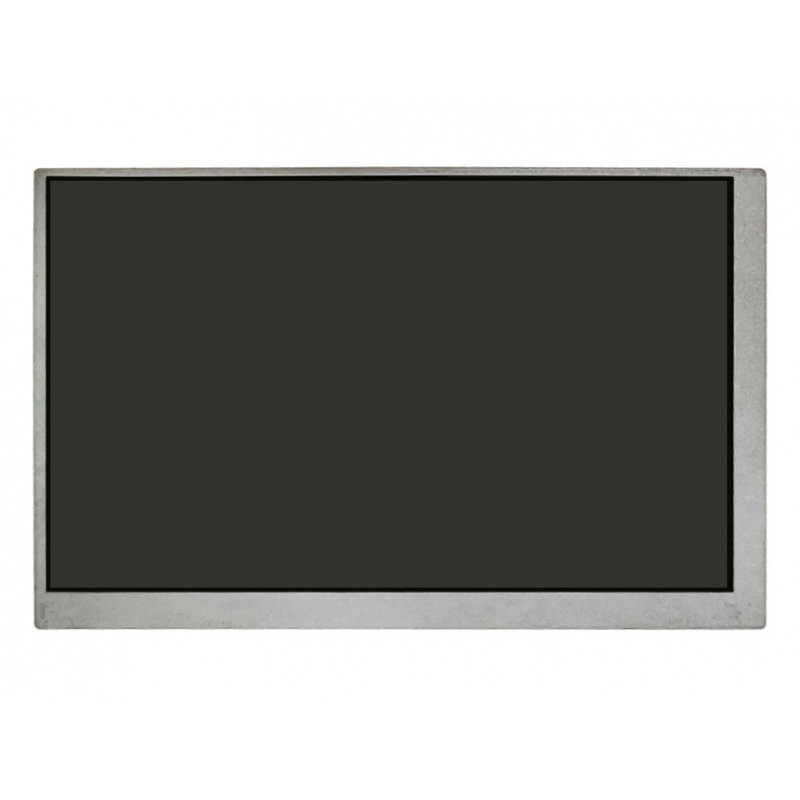
Decoding the G070VTN04.0: Technical Specifications and Identity
The alphanumeric code G070VTN04.0 is a precise identifier. Breaking it down: 'G' typically denotes a TFT-LCD panel, '070' indicates a 7.0-inch diagonal screen size, and 'VTN' is AUO's internal model series. The '04.0' often references a specific revision or version. This panel features a resolution of 1024 x 600 pixels (WSVGA), offering a balanced clarity for its size. It utilizes a standard RGB stripe pixel arrangement and typically employs a LVDS (Low-Voltage Differential Signaling) interface, which is common for reliable data transmission in industrial and automotive applications.
The backlight system is a key differentiator. The G070VTN04.0 commonly uses White LED edge-light technology, ensuring uniform brightness and lower power consumption compared to older CCFL backlights. Understanding these specs—the exact interface pinout, voltage requirements (often 3.3V or 5V for logic, and a higher voltage for LED backlight drive), and physical dimensions—is the first critical step to ensuring compatibility and planning a successful integration or replacement.
Primary Applications and Integration Scenarios
The G070VTN04.0 is not designed for mainstream consumer tablets but excels in specialized embedded and industrial environments. Its robust construction and reliable interface make it a preferred choice for a range of applications. A primary use case is in industrial human-machine interfaces (HMIs) and control panels for machinery, where durability and consistent performance under varying temperatures are essential.
Furthermore, it finds a significant home in the automotive aftermarket and specialized vehicle systems, such as rear-seat entertainment units, GPS navigation devices for commercial vehicles, or monitoring displays. Other common integration points include portable medical diagnostic devices, point-of-sale (POS) systems, and handheld test equipment. In these scenarios, the panel's 7-inch form factor provides sufficient viewing area without occupying excessive space, and its standard interface simplifies design-in processes for engineers.
Installation Nuances and Compatibility Considerations
Successfully integrating the G070VTN04.0 goes beyond plug-and-play. Technicians must pay close attention to mechanical and electrical compatibility. The panel has specific mounting hole positions, bezel dimensions, and overall thickness. Using an incompatible bracket or applying pressure to the wrong area can damage the fragile LCD glass or the LED backlight strips.
Electrically, verifying the LVDS pin assignment is crucial. While a standard exists, some customizations can occur. Mismatching the pinout can lead to no display, color distortion, or permanent damage. The backlight driver circuit also requires careful matching; connecting an LED backlight to a CCFL inverter (or using incorrect current limiting) will instantly destroy the LEDs. Always cross-reference the replacement panel's datasheet with the original device's schematic or known-good panel specifications.
Performance Analysis: Brightness, Viewing Angles, and Durability
Evaluating the G070VTN04.0's performance reveals why it's chosen for demanding applications. Its brightness, typically measured in nits (cd/m²), is suited for indoor use and often reaches levels that allow for readability under moderate ambient light. For outdoor or high-brightness environments, a separate optical bonding service or a different panel variant might be necessary.
The panel offers wide viewing angles (often 80/80/80/80 degrees for Left/Right/Up/Down), characteristic of modern TFT technology, ensuring the display content remains visible from various positions—a key feature for shared screens in vehicles or control panels. In terms of durability, it is designed for extended operational life. The solid-state LED backlight has a longer lifespan than CCFL, and the panel can typically withstand a reasonable range of operating and storage temperatures, as outlined in its datasheet.
Sourcing Authentic Panels and Verifying Quality
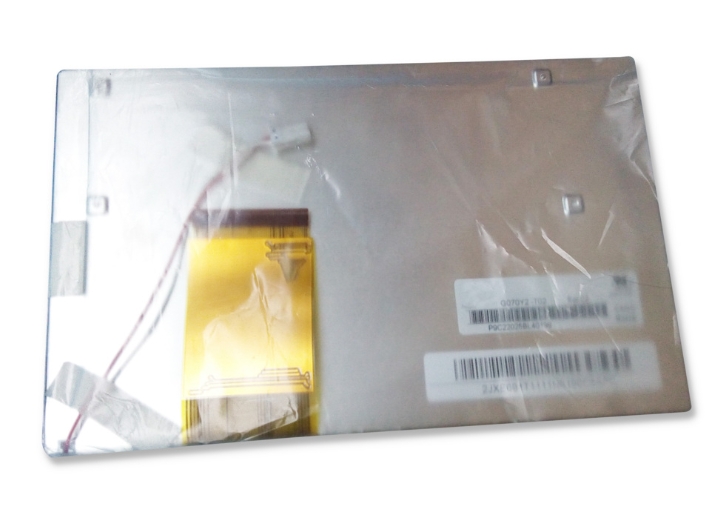
The market for display panels is rife with refurbished, rejected, or counterfeit units. Sourcing from reputable suppliers is the most effective risk mitigation strategy. Look for vendors who provide clear photos of the actual item, including close-ups of the label showing the full G070VTN04.0 part number and AUO branding. Authentic AUO panels will have a consistent and high-quality appearance, with no physical defects on the surface or the connector.
Request the panel's datasheet for verification. Be wary of prices that seem too good to be true. When receiving the panel, conduct a basic visual inspection and, if possible, a functional test before final installation. Check for dead pixels, uneven backlight bleeding, or color shifts. A minor investment in sourcing from a trusted channel prevents costly rework, device failure, and customer dissatisfaction down the line.
The G070VTN04.0 in the Current Display Technology Landscape
While newer technologies like OLED and higher-resolution IPS panels are prevalent in smartphones, the G070VTN04.0 remains relevant and vital in its niche. Its strength lies in its proven reliability, cost-effectiveness for industrial volumes, and the vast ecosystem of existing devices designed around its form factor and interface. For the repair and maintenance sector, demand for this panel will persist as long as the equipment it serves remains in operation.
However, the landscape is shifting. Engineers designing new systems might opt for panels with thinner bezels, higher efficiency, or touchscreen integration. Yet, for legacy support and applications where radical change is unnecessary or too costly, the G070VTN04.0 represents a stable, well-understood component. Its continued availability is a testament to the long lifecycle requirements of industrial and embedded electronics.
FAQs: G070VTN04.0 LCD Display Panel
1. What does G070VTN04.0 stand for?It's AUO's model number for a 7.0-inch TFT-LCD panel with WSVGA (1024x600) resolution, typically with an LVDS interface and LED backlight.
2. What is the most common application for this panel?Industrial HMIs, control systems, and automotive aftermarket displays (e.g., rear-seat entertainment, navigation).
3. What is the interface type of the G070VTN04.0?It primarily uses a Low-Voltage Differential Signaling (LVDS) interface for reliable data transmission.
4. Can I replace a CCFL-backlit panel with this LED panel?Only if the device's driver board supports LED backlight voltage and current. The interfaces and power requirements are different.
5. How do I ensure I'm buying a genuine AUO panel?Source from reputable distributors, verify the physical label matches the part number exactly, and request the official datasheet.
6. What are the typical brightness and viewing angles?Brightness is suitable for indoor use (specific nits vary), with viewing angles typically around 80 degrees in all directions.
7. Is this panel compatible with touchscreens?Yes, but it requires a separate resistive or capacitive touchscreen overlay that is sized and mounted correctly for the 7-inch display.
8. What should I check if the panel doesn't work after installation?Re-check the LVDS cable connection and pinout, verify backlight power (LED driver circuit), and confirm logic voltage is correct.
9. Are there direct equivalent panels from other manufacturers?Possible, but not guaranteed. Compatibility depends on exact size, thickness, interface pinout, and electrical parameters. Always compare datasheets.
10. Is this panel still being manufactured?It may be in phased production or available from stock. For new designs, consulting AUO or a distributor for the latest active models is recommended.
Conclusion
The AUO G070VTN04.0 is far more than a simple component code. It represents a specific and enduring solution in the embedded display ecosystem. Through understanding its technical identity, target applications, and critical integration requirements, professionals can make informed decisions, whether for repair, replacement, or design.
This panel's enduring relevance underscores a key principle in industrial electronics: proven reliability often outweighs the allure of the latest technology. For those tasked with maintaining the functionality of critical equipment, a deep knowledge of components like the G070VTN04.0 is indispensable. By sourcing wisely, installing meticulously, and appreciating its role in the broader technological context, one can ensure optimal performance and longevity for the devices that depend on this reliable 7-inch window to the digital world.





