













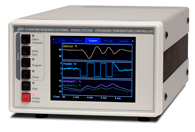

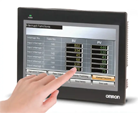
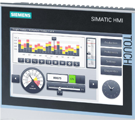


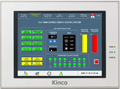






In the intricate ecosystem of electronic components, the display often serves as the primary interface between human and machine. Among the myriad of options available, the 5.0-inch TFT LCD module, specifically model G050VAN01.0 with its 800 x 480 resolution, occupies a unique and critical niche. This display is not merely a generic screen; it represents a carefully engineered solution tailored for applications where size, clarity, and reliability converge. Its specifications place it at the heart of countless modern devices, from industrial handheld terminals and portable medical monitors to automotive dash displays and smart home control panels.

This article delves into a comprehensive analysis of the G050VAN01.0 display module. We will move beyond basic datasheet parameters to explore its technical architecture, the tangible benefits of its specific form factor and resolution, and its ideal application environments. Furthermore, we will examine the critical integration considerations for engineers, compare its position within the broader display technology market, and project its role in future technological developments. Our goal is to provide a deep, practical understanding of why this particular display module is a cornerstone in embedded design and human-machine interface (HMI) development.
Technical Architecture and Core Specifications
At its core, the G050VAN01.0 is a 5.0-inch diagonal Thin-Film Transistor (TFT) Liquid Crystal Display. The 800 x 480 pixel resolution translates to a WVGA format, offering a balanced pixel density for its size. This module typically incorporates an RGB interface, which is a standard, parallel digital interface that provides direct control over sub-pixel color data, ensuring vibrant and accurate color reproduction. The "AN" in its model name often indicates a specific optical stack, likely featuring advanced technologies for improved viewing angles and contrast.
Key specifications include its active area dimensions, precise outline dimensions including bezel size, and its typical brightness level (often in the range of 300-500 nits), which ensures readability in various indoor lighting conditions. The module also defines crucial parameters such as supply voltage, power consumption, and operating temperature range. Understanding this architecture is fundamental, as it dictates the type of controller, power supply design, and mechanical housing required for successful implementation. The TFT active matrix design ensures that each pixel is individually controlled, eliminating the ghosting effects seen in passive matrices and enabling fast, crisp rendering of graphics and video.
The Strategic Advantage of 5.0-Inch WVGA Format
The choice of a 5.0-inch screen with 800x480 resolution is far from arbitrary; it is a strategic compromise that yields significant ergonomic and functional benefits. Physically, this size is large enough to present substantial information clearly—such as detailed graphs, multiple data fields, or simplified control interfaces—while remaining compact enough for handheld portability or integration into space-constrained dashboards. The 16:9 aspect ratio of the WVGA resolution is now a universal standard, making it compatible with a vast library of digital content and UI design frameworks.
From a user experience perspective, this format allows for touch-target sizes that comply with human interface guidelines without wasting excessive space. For developers, the resolution is high enough to create visually appealing and informative interfaces but low enough to be driven by cost-effective, mid-range processors without requiring excessive frame buffer memory or GPU power. This balance between physical size, informational density, and system resource demand makes the 5.0-inch WVGA a "sweet spot" for a wide array of embedded applications, optimizing both BOM cost and end-user usability.
Primary Application Domains and Use Cases
The G050VAN01.0 finds its home in environments where durability, clarity, and compactness are paramount. In industrial automation, it serves as the interface for handheld scanners, PLC programming units, and machine control panels, where it must withstand vibrations, temperature fluctuations, and potential exposure to contaminants. The medical device industry utilizes similar displays in portable diagnostic equipment and patient monitoring systems, valuing consistent performance and readability under critical conditions.
Furthermore, the automotive aftermarket and specific in-vehicle infotainment systems employ these modules for secondary displays, rear-seat entertainment, or dedicated control units. Emerging fields like IoT (Internet of Things) gateways and smart home automation hubs also leverage this display size to provide local status and control without the bulk of a full-sized tablet. In each case, the module acts as a reliable portal, bridging the digital system's operations with the human operator's need for intuitive interaction and real-time feedback.
Critical Integration and Interface Considerations
Successfully integrating the G050VAN01.0 into a product requires careful attention to several engineering disciplines. Electrically, the designer must match the display's RGB interface timing and voltage levels with the host processor's LCD controller, often requiring level shifters and a properly designed power sequence to prevent damage. The backlight, usually composed of white LEDs, requires a constant-current driver circuit to ensure uniform brightness and long lifespan.
Mechanically, the module must be securely mounted, often using through-hole or bracket mounts specified in the datasheet, while ensuring the front polarizer is protected from scratches and pressure. Optically, considerations include selecting the right touch panel overlay (resistive or capacitive) and potentially an anti-glare or anti-fingerprint coating. Thermal management is also crucial, as excessive heat can degrade LCD performance and LED longevity. Neglecting any of these aspects can lead to display artifacts, reduced reliability, or complete system failure.
Comparative Analysis in the Display Technology Landscape
Positioning the G050VAN01.0 within the broader market clarifies its value proposition. Compared to smaller displays (e.g., 3.5-inch), it offers a vastly superior viewing area and information capacity. Against larger or higher-resolution screens (e.g., 7-inch 1024x600), it maintains a significant advantage in power consumption, cost, and physical footprint, making it ideal for battery-powered or cost-sensitive devices.
Technologically, it stands apart from older STN or TN panels by offering wider viewing angles and better color performance, thanks to its likely IPS or similar advanced TFT technology. However, it does not compete with the ultra-high contrast and power efficiency of OLED displays, a trade-off that aligns with its focus on reliability, longevity, and cost-effectiveness for commercial and industrial use. This analysis shows it is not an all-purpose screen, but a specialized tool optimized for specific, demanding application sets.
Future Trajectory and Evolving Relevance
The future of displays like the G050VAN01.0 is tied to the evolution of the embedded and IoT markets. While consumer gadgets chase ever-higher resolutions and bezel-less designs, industrial and commercial applications prioritize robustness, long-term supply, and proven performance. The ongoing trend is towards integration of touch functionality directly onto the module (as a "one-glass solution") and improvements in optical bonding to enhance sunlight readability and durability.
We can also expect incremental gains in power efficiency and brightness, extending battery life and usability in brighter environments. The core form factor and resolution, however, are likely to remain relevant for years to come due to the massive installed base of software and hardware designed around this standard. Its evolution will be one of refinement and enhanced integration rather than obsolescence, ensuring it continues to be a trusted component in mission-critical interfaces across multiple industries.
Frequently Asked Questions (FAQs)
1. What is the exact screen size of the G050VAN01.0?It features a 5.0-inch diagonal active display area, measured from corner to corner of the visible screen.
2. What does the resolution 800*480 mean?It means the display has 800 pixels horizontally and 480 pixels vertically, for a total of 384,000 pixels.
3. What is a TFT LCD?Thin-Film Transistor Liquid Crystal Display. It uses transistors to control each pixel individually, resulting in faster response and better image quality than older passive matrix displays.
4. What type of interface does this display use?It typically uses a parallel RGB digital interface, which is common for embedded systems and requires an LCD controller compatible with this standard.
5. Is this display suitable for outdoor use?Its standard brightness (e.g., 300-500 nits) is suitable for indoor use. For direct sunlight readability, a high-brightness version (800+ nits) and optical bonding are usually required.
6. Can I add a touch screen to this module?Yes, resistive or capacitive touch panels are commonly available as add-on overlays or as fully integrated units from suppliers.
7. What is the typical power consumption?Power consumption varies by brightness, but the LCD panel itself typically consumes less than 1W, with additional power needed for the LED backlight.
8. What is the operating temperature range?Standard commercial modules often operate from -20°C to 70°C, but extended temperature versions may be available for industrial applications.
9. How does it compare to an OLED display?TFT LCDs like this one are generally more cost-effective, have longer lifespan (no burn-in risk), and are widely available. OLEDs offer superior contrast and viewing angles but at a higher cost.
10. Where can I find the detailed datasheet for integration?The official datasheet should be obtained from the display manufacturer or an authorized distributor, as it contains critical mechanical, electrical, and optical specifications.
Conclusion
The 5.0-inch G050VAN01.0 TFT LCD display, with its 800 x 480 WVGA resolution, exemplifies the principle of purpose-driven design in component engineering. It is not a display trying to be everything to everyone, but a meticulously specified solution that excels within its target domains. Its value lies in the harmonious balance it strikes between physical size, visual clarity, system resource requirements, and rugged reliability.
For product designers and engineers in industrial, medical, automotive, and IoT fields, understanding this module's capabilities and integration requirements is key to developing effective and durable human-machine interfaces. As technology marches forward, displays like the G050VAN01.0 will continue to evolve, yet their core mission remains constant: to serve as a clear, dependable, and efficient window into the digital world, enabling innovation where it matters most.





