

















In the competitive landscape of industrial and commercial display solutions, the choice of core components can define the success of an entire product line. For integrators and manufacturers partnering with or utilizing Ortustech systems, selecting the right display module is a critical engineering and strategic decision. This article provides an in-depth exploration of the COM35T3N93XTC 3.5" display modules specifically designed for Ortustech environments. We will move beyond basic specifications to examine the unique value proposition these modules offer within this ecosystem.
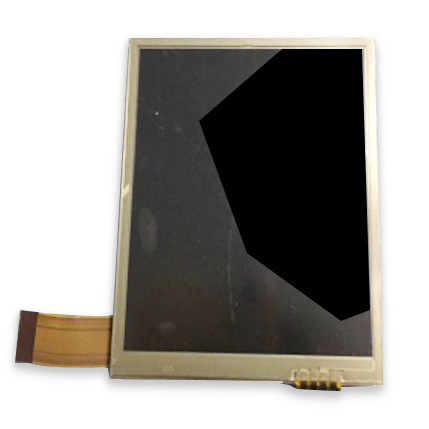
Our analysis will cover the technical synergies that make this module an optimal fit, its role in enhancing end-product reliability, and the practical advantages it delivers in real-world applications. From industrial control panels to portable medical devices, understanding the capabilities of the COM35T3N93XTC is essential for creating robust, high-performance, and user-centric solutions. This guide aims to equip developers, product managers, and procurement specialists with the insights needed to leverage this component effectively, ensuring their Ortustech-based projects achieve maximum impact and operational longevity.
Technical Synergy with Ortustech Ecosystems
The COM35T3N93XTC is not merely a generic 3.5-inch display; it is engineered for seamless integration with Ortustech hardware and software frameworks. This synergy begins at the interface level, where the module's signal compatibility, power requirements, and communication protocols are designed to match common Ortustech controller boards and system architectures. This reduces development friction and eliminates the need for complex signal conversion or level-shifting circuits.
Furthermore, the module's mechanical design often aligns with Ortustech form-factor standards, ensuring straightforward mounting within existing chassis or enclosures. This technical harmony extends to driver support and firmware libraries, which are typically optimized within the Ortustech ecosystem for quick initialization and stable operation. By choosing a module built for this specific environment, engineers can significantly shorten their development cycle, dedicating more resources to application-specific features rather than low-level hardware debugging.

Core Specifications and Performance Analysis
At its heart, the COM35T3N93XTC module delivers a balanced set of specifications tailored for demanding applications. Typically featuring a resolution of 320x240 pixels (QVGA) on a TFT LCD panel, it provides clear and legible graphics for human-machine interfaces. Key performance parameters include a high brightness level, often exceeding 300 nits, ensuring readability in brightly lit industrial or outdoor settings, and a wide viewing angle crucial for devices viewed from various positions.
Critical analysis goes beyond the datasheet. The module's response time affects the smoothness of dynamic content, while its operating temperature range (commonly -20°C to 70°C) dictates its suitability for harsh environments. The choice of backlight technology (typically LED) impacts both longevity and power consumption. Understanding these specs in the context of the target application—whether it's a slowly updating sensor readout or a frequently refreshing control menu—is vital for assessing the module's true performance envelope.
Enhancing End-Product Reliability and Durability
In industrial, medical, and commercial applications, product failure is not an option. The COM35T3N93XTC contributes directly to system reliability. Its construction utilizes components rated for extended lifetimes, with a focus on resisting environmental stressors such as temperature fluctuations, humidity, and vibration—common challenges in Ortustech deployment scenarios.
The module's reliability is also a function of its electrical robustness. Features like built-in electrostatic discharge (ESD) protection, stable voltage regulation, and resistance to power supply noise prevent common failure modes. By integrating a display module known for its durability, OEMs can reduce field failure rates, lower total cost of ownership for their customers, and bolster the reputation of their Ortustech-based products as dependable workhorses.
Design Integration and User Experience Impact
Integrating the COM35T3N93XTC module effectively is a multidisciplinary task that bridges hardware engineering and user-centric design. Physically, designers must account for the bezel size, mounting holes, and connector placement to create a sleek and functional product enclosure. The optical performance, including contrast ratio and color gamut, directly influences the clarity of the user interface and can reduce operator eye strain during prolonged use.
The module's characteristics also dictate UX possibilities. Its touch capability (if equipped) must be calibrated for precision and responsiveness. The screen's readability under various lighting conditions informs UI color scheme choices. A well-integrated module feels like an inherent part of the product, providing intuitive interaction, whereas a poorly integrated one can become a point of user frustration, undermining the sophistication of the underlying Ortustech system.
Application-Specific Advantages in Key Sectors
The value of the COM35T3N93XTC is fully realized in its application contexts. In industrial automation, it serves as a local control and monitoring point for machinery, displaying real-time metrics and alerts. Its ruggedness ensures operation on the factory floor. For portable medical devices, the module's compact size, reliability, and clear display are critical for showing patient vitals accurately, where legibility can be a matter of patient safety.
In the transportation and logistics sector, these modules are found in handheld terminals for inventory management, capable of withstanding drops and extreme temperatures. Point-of-sale (POS) systems and kiosks benefit from their consistent performance and longevity in high-use public environments. Each sector leverages the module's core strengths to solve unique challenges, demonstrating its versatility within the Ortustech portfolio.
Supply Chain and Lifecycle Considerations
Selecting a core component like a display module involves strategic supply chain thinking. The availability of the COM35T3N93XTC, its manufacturing lead times, and the stability of its bill of materials (BOM) are crucial for product planning. Partnering with Ortustech or authorized distributors often provides more predictable supply and access to technical support compared to generic market sources.
Lifecycle management is equally important. Industrial and commercial products have long lifecycles, often requiring component availability for a decade or more. Understanding the manufacturer's roadmap for the COM35T3N93XTC, its potential successors, and any planned obsolescence is essential to avoid costly mid-life redesigns. A reliable supply chain for this module protects your product line from disruption and supports long-term customer relationships.
FAQs: COM35T3N93XTC 3.5" Display Modules for Ortustech
Q1: What is the typical resolution of the COM35T3N93XTC module?A: It typically features a QVGA resolution of 320 x 240 pixels.
Q2: Is this module compatible with all Ortustech systems?A: It is designed for seamless integration with common Ortustech architectures, but verifying interface compatibility with your specific controller is always recommended.
Q3: Does it include a touch screen?A: Touch screen capability (resistive or capacitive) is often an available option; check the specific variant's datasheet.
Q4: What is the operating temperature range?A: Standard industrial-grade modules typically operate from -20°C to +70°C.
Q5: How bright is the display?A: Brightness usually exceeds 300 nits, ensuring visibility in most indoor and many outdoor lighting conditions.
Q6: What is the main advantage of using this vs. a generic display?A: The main advantage is certified compatibility, reduced development time, and optimized reliability within the Ortustech ecosystem.
Q7: Can it be used in medical devices?A: Yes, its reliability and clarity make it suitable for portable medical devices, though final medical certification depends on the complete system.
Q8: What is the expected lifespan of the backlight?A: Using LED backlighting, the lifespan is typically rated for 50,000 hours or more under normal conditions.
Q9: Who provides technical support for this module?A: Support is typically provided through Ortustech or their authorized distributors and partners.
Q10: Are samples available for prototyping?A: Yes, samples are usually available for qualified OEMs and developers through official distribution channels.
Conclusion
The COM35T3N93XTC 3.5" display module represents more than just a component; it is a strategic enabler for products built on the Ortustech platform. Its value lies in the deep technical integration, robust performance under demanding conditions, and the tangible benefits it brings to end-product reliability and user experience. From initial design through to long-term field deployment, this module addresses the core concerns of engineers and product managers alike.
By carefully considering its specifications in the context of your application, planning for its integration, and securing a stable supply, you can leverage the COM35T3N93XTC to build differentiated, durable, and successful solutions. In a market where performance and dependability are paramount, choosing the right display module is a decisive step toward achieving product excellence and sustaining a competitive advantage.





