

















- Industrie-LCD-Display
-
Industrial Products
- DC Servo Drive
- AC Servo Drive
- PCB
- Siemens
- Switch Sensor
- Näherungsschalter
- Temperaturregler
- Schutzrelais
- Fiber Optic Sensor
- Encoder
- Fan
- other
- Heidelberg
- MITSUBISHI
- FANUC
- Siemens adapter
- Fujitsu connector
- Der Aufsichtsrat
- Board
- Contactor
- Circuit
- Omron
- Relais.
- Motortreiber
- power supply
- Cable
- Transformator
- HMI Touch-Glas
-
HMI-Vollautomat Ganze Einheit
- OMRON HMI Touch Panel
- Siemens HMI Touch Panel
- Mitsubishi HMI Touch Panel
- Allen-Bradley Automatisierung HMI Touch
- DELTA HMI Touch Panel
- EVIEW DELTA HMI Touch Panel
- KINCO DELTA HMI Touch Panel
- HITECH HMI Touch Panel
- WEINTECK HMI Touch Panel
- TECVIEW HMI Touch Panel
- WEINVIEW HMI Touch Panel
- PANASONIC HMI Touch Panel
- KYOCERA HMI Touch Panel
- SCHNEIDER HMI Touch Panel
- Module
- LCD Wechselrichter
- Membran Tastenfeld Schalter
- Winni Touch Screens
- Frequenzumrichter
- Servo Motor
- PLC
In the intricate world of industrial automation and high-performance machinery, the interface between human and machine is paramount. At the heart of this critical interaction lies the display panel, a component often overlooked yet vital for operational control, monitoring, and diagnostics. This article delves deep into the specifics of one such pivotal component: the AA070ME11-DB1 Mitsubishi LCD Display Screen Panel. Far more than a simple screen, this model represents a convergence of Mitsubishi Electric's engineering prowess, designed to meet the rigorous demands of industrial environments.
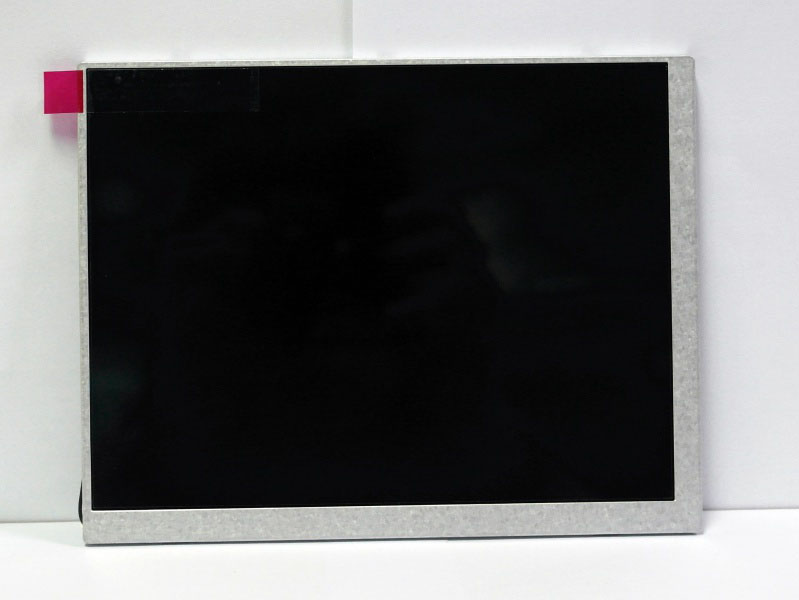
Our exploration will move beyond basic specifications to uncover the technical DNA that makes this panel a preferred choice for system integrators and maintenance engineers. We will examine its core technology, dissect its key features and benefits, and understand its typical industrial applications. Furthermore, we will provide crucial guidance on integration, maintenance, and sourcing authentic units. This comprehensive analysis aims to equip professionals with the knowledge to evaluate, implement, and maintain the AA070ME11-DB1, ensuring optimal performance and longevity in mission-critical operations.
Decoding the Technical DNA of the AA070ME11-DB1
The AA070ME11-DB1 is a 7-inch TFT LCD display module manufactured by Mitsubishi Electric, a leader in industrial automation. Its designation follows a logical pattern: "AA" likely indicates the product series, "070" specifies the 7.0-inch diagonal screen size, and "ME11-DB1" defines the specific model variant with its unique set of electrical and mechanical characteristics. At its core, it utilizes an Active Matrix TFT (Thin-Film Transistor) LCD technology, which provides superior image quality, faster response times, and better viewing angles compared to older passive matrix displays.
Key technical specifications include a resolution of 800 x 480 pixels (WVGA), offering a clear and detailed canvas for graphical user interfaces (GUIs) and data visualization. It typically features a high-brightness backlight, often LED-based, ensuring readability in brightly lit factory settings. The interface is a critical aspect, with this panel commonly utilizing an LVDS (Low-Voltage Differential Signaling) digital interface. LVDS is favored in industrial applications for its robustness, noise immunity, and ability to transmit high-speed data over longer cable lengths with minimal interference, making it ideal for the electrically noisy environments of plant floors.
Core Features and Performance Advantages
The design philosophy behind the AA070ME11-DB1 translates into a suite of tangible performance advantages. Its high brightness and contrast ratio are paramount, combating ambient light glare and ensuring that operational data, alarms, and schematics are legible from various angles and under challenging lighting conditions. This directly enhances operator efficiency and reduces the risk of errors.
Secondly, the panel is built for exceptional reliability and longevity. Mitsubishi engineers these components for continuous operation in demanding settings, featuring a wide operating temperature range and resistance to vibration and dust. The use of high-grade materials and a robust construction means a lower total cost of ownership despite a potentially higher initial investment, as it minimizes downtime and replacement frequency. Furthermore, the color reproduction and consistent performance over time ensure that the visual feedback remains accurate, which is crucial for processes where color-coding is used for status indication or quality assessment.
Primary Industrial Applications and Use Cases
The AA070ME11-DB1 is not a consumer-grade screen; its natural habitat is within the ecosystem of industrial control. Its most common application is as the embedded display within Mitsubishi's own GOT (Graphic Operation Terminal) series, such as specific models of the GT10 and GT21 human-machine interface (HMI) units. In this role, it serves as the primary touchpoint for operators to interact with PLCs (Programmable Logic Controllers), CNC machines, and robotic systems.
Beyond branded HMIs, this display panel is widely adopted as a critical component in custom industrial machinery, including semiconductor fabrication equipment, packaging lines, injection molding machines, and automated test stands. System integrators value it for its proven reliability and seamless compatibility with industrial PC boards that support LVDS output. In these contexts, the AA070ME11-DB1 becomes the window into the machine's soul, displaying real-time parameters, diagnostic logs, and control buttons that keep complex processes running smoothly.
Integration and Compatibility Considerations
Successfully integrating the AA070ME11-DB1 into a system requires careful attention to compatibility. The first and most critical step is verifying the interface match. Integrators must confirm that their controller or single-board computer provides an LVDS output with a pin configuration and voltage that aligns precisely with the panel's requirements. Mismatches here can lead to no display, distorted images, or permanent damage.
Physical and electrical integration is equally important. This includes designing a secure mounting solution that respects the panel's bezel dimensions and avoids stress on the LCD glass. The backlight inverter or LED driver circuit (depending on the variant) must be powered correctly. Additionally, designers must consider the environmental rating of the end-product; while the panel itself is robust, the final assembly may require additional gasketing or sealing to achieve the desired IP rating for dust and water resistance. Consulting the official Mitsubishi datasheet and application notes is non-negotiable for a successful implementation.
Maintenance, Troubleshooting, and Lifespan
Proactive maintenance is key to maximizing the service life of the AA070ME11-DB1. The primary wear component is the backlight. Although LED backlights have a very long lifespan, they will gradually dim over tens of thousands of hours. Regular cleaning of the screen surface with appropriate, non-abrasive materials prevents buildup that can reduce clarity. It is also crucial to ensure the display operates within its specified temperature and humidity ranges to prevent premature aging of the liquid crystals and other materials.
Common troubleshooting steps for a malfunctioning panel include checking all cable connections for integrity and secure seating, verifying the input power and signal voltages, and testing with a known-good signal source if possible. A completely blank screen often points to a power or backlight issue, while a distorted image typically indicates a signal mismatch or cable problem. Understanding that the panel is a modular component within a larger system is essential for effective diagnostics.
Sourcing Authentic Panels and Identifying Counterfeits
The critical nature of industrial applications makes sourcing authentic AA070ME11-DB1 panels a matter of operational security. The market, unfortunately, is not immune to counterfeit or refurbished components being sold as new. These inferior products pose a significant risk, offering compromised reliability, shorter lifespans, and potential compatibility issues that can lead to costly system failures.
To mitigate this risk, procurement should be conducted through authorized Mitsubishi distributors or highly reputable, specialized industrial parts suppliers. Authentic panels will have consistent labeling, high-quality construction, and proper packaging. Buyers should be wary of prices that seem too good to be true, vague product descriptions, and sellers lacking a proven track record in the industrial sector. Investing in genuine components is an investment in system stability and uptime.
Frequently Asked Questions (FAQs)
Q1: What is the AA070ME11-DB1?A: It is a 7-inch TFT LCD display panel manufactured by Mitsubishi Electric, commonly used in industrial HMIs and machinery.
Q2: What is its primary interface?A: It primarily uses an LVDS (Low-Voltage Differential Signaling) digital interface.
Q3: What resolution does it have?A: The standard resolution is 800 x 480 pixels (WVGA).
Q4: Can I use this panel to replace a broken screen in my Mitsubishi HMI?A: It is possible, but you must confirm the exact model compatibility with your HMI unit (e.g., GT10, GT21).
Q5: Is this a touch screen panel?A: The AA070ME11-DB1 itself is typically the LCD module only. Touch functionality (resistive or capacitive) is usually a separate overlay added by the HMI or system integrator.
Q6: How bright is this display?A: It features high brightness, often around 400-500 nits or more, suitable for industrial environments.
Q7: What is the main cause of failure for these panels?A: Backlight degradation over time is the most common wear-related issue, though physical damage and electrical surges can also cause failure.
Q8: Where can I find the technical datasheet?A: Datasheets can be requested from authorized Mitsubishi distributors or found on reputable industrial component websites.
Q9: Can I interface this panel with a standard Raspberry Pi or Arduino?A: Not directly. These boards do not have native LVDS output. You would need a compatible controller board or adapter, which adds complexity.
Q10: How can I ensure I'm buying a genuine Mitsubishi panel?A: Purchase from authorized distributors, verify supplier credentials, and be cautious of unusually low prices.
Conclusion
The AA070ME11-DB1 Mitsubishi LCD Display Screen Panel exemplifies the engineering excellence required for industrial durability and performance. Our exploration has revealed that its value lies not in standalone specifications, but in its proven reliability, seamless integration within control systems, and its role as a dependable interface in high-stakes environments. From its LVDS interface and high-brightness output to its specific applications in HMIs and custom machinery, this component is a critical link in the chain of industrial automation.
For engineers, integrators, and maintenance professionals, understanding the nuances of this panel—from compatibility checks to sourcing and maintenance—is essential for ensuring system resilience. In an era where operational uptime is paramount, choosing and maintaining authentic, high-quality components like the AA070ME11-DB1 is a strategic decision. It represents an investment in clarity, control, and ultimately, the continuous and efficient flow of industrial operations.





