
















In the intricate ecosystem of electronic devices, the display panel serves as the critical interface between digital information and human perception. For engineers, procurement specialists, and repair technicians, selecting the correct panel is a decision that impacts performance, compatibility, and cost. This article delves into a specific and vital component: the G140XTN01.0, a 14-inch LCD display panel manufactured by AU Optronics (AUO).
Beyond a simple part number, the G140XTN01.0 represents a precise set of technological specifications and application possibilities. We will explore its core technical attributes, from its resolution and brightness to its interface and power characteristics. Furthermore, we will identify its primary application scenarios, discuss the crucial factors for sourcing and compatibility verification, and examine its position within the broader landscape of display technology. This deep dive aims to provide a comprehensive resource for professionals who need to understand, specify, or replace this particular panel with confidence.
Decoding the G140XTN01.0: Core Technical Specifications
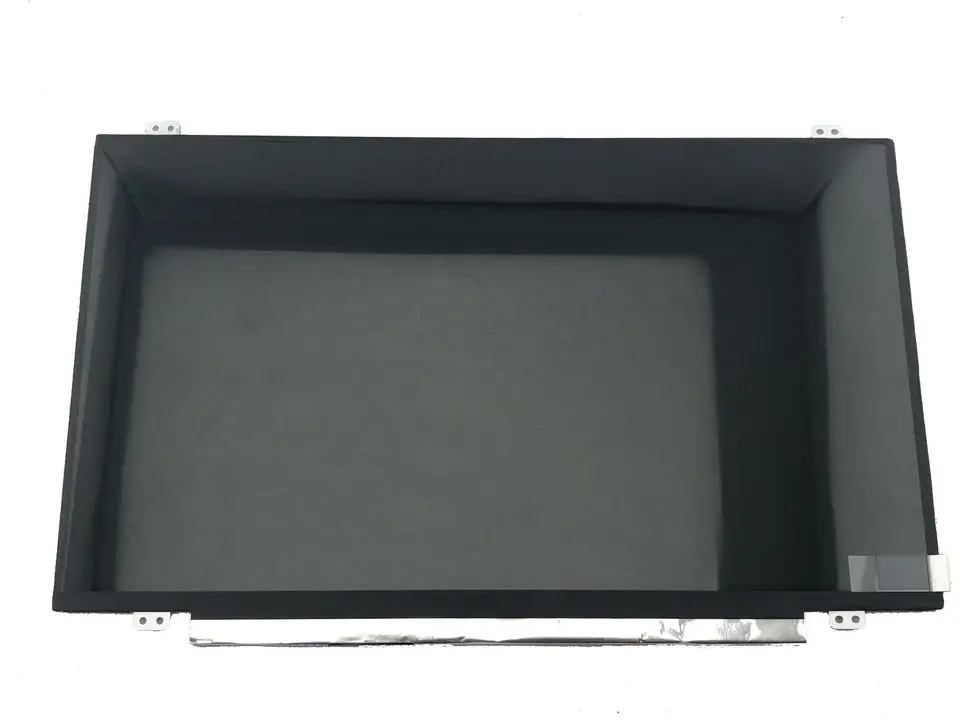
The AUO G140XTN01.0 is a 14.0-inch diagonal LCD panel built on a Twisted Nematic (TN) film technology. Its native resolution is 1024 x 768 pixels (XGA), which offers a 4:3 aspect ratio, a format still prevalent in many industrial, medical, and legacy computing applications. The panel typically features a luminance of 250 nits, providing adequate brightness for indoor environments, and a contrast ratio in the range of 500:1.
Key to its integration are its interface and power requirements. This panel commonly utilizes a single-channel LVDS (Low-Voltage Differential Signaling) interface, a standard for transmitting high-speed video data. The backlight system employs a WLED (White Light Emitting Diode) edge-lighting array, which requires an inverter or direct LED driver circuitry, operating at a specific voltage and current. Understanding these precise electrical parameters is the first step toward successful implementation or replacement.
Primary Applications and Use Case Scenarios
The technical profile of the G140XTN01.0 dictates its ideal deployment environments. Its 4:3 XGA format makes it a common fixture in industrial control systems, where software interfaces are often designed for this aspect ratio. You will find it in factory automation HMIs (Human-Machine Interfaces), test equipment displays, and embedded control panels where reliability and standardization trump widescreen multimedia consumption.
Another significant domain is the medical and healthcare sector, particularly in older or specialized diagnostic devices, patient monitoring systems, and laboratory equipment. Furthermore, this panel serves as a direct replacement part for a multitude of legacy laptops, all-in-one PCs, and point-of-sale (POS) terminals that were built in the era when 14-inch XGA was a mainstream configuration. Its value lies in extending the operational life of critical equipment.
Sourcing and Compatibility Verification
Procuring a G140XTN01.0 panel requires diligence. While AUO is the original manufacturer, the panel is often distributed through specialized electronic component suppliers. It is crucial to distinguish between brand new original, refurbished, and compatible panels, as quality and longevity can vary significantly. Verifying the exact revision (e.g., G140XTN01.0 Rev.C1) is essential, as minor revisions can involve changes in the connector type, backlight pinout, or frame dimensions.
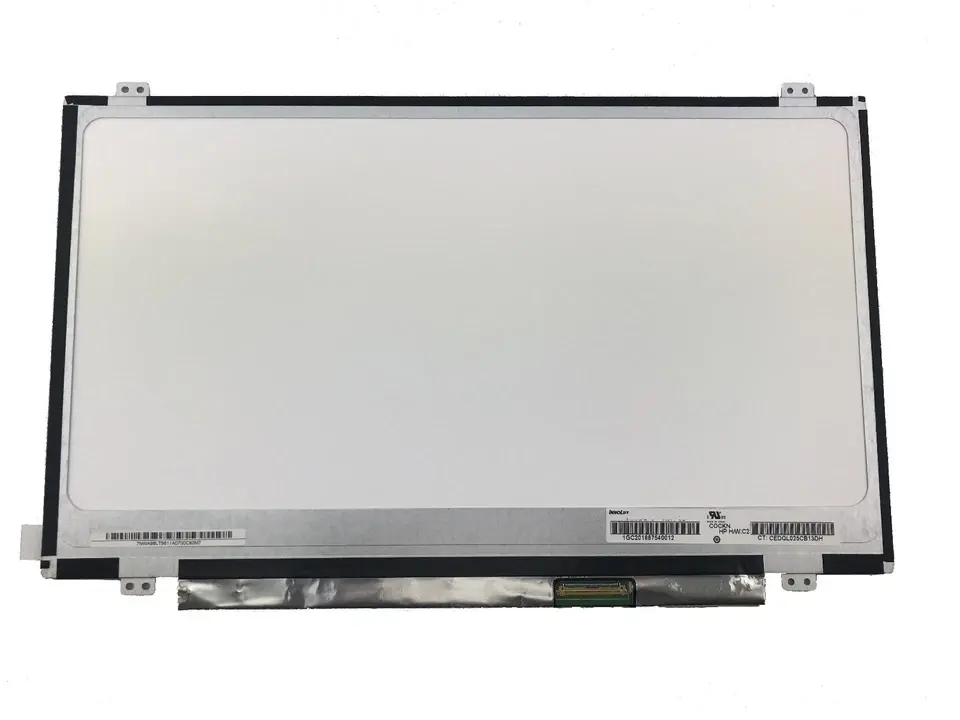
Compatibility goes beyond the part number. One must cross-check the interface type (LVDS pin count and configuration), the backlight type and voltage (e.g., 20-pin connector with LED+/-), and the physical mounting (screw hole positions, bezel size). The most reliable method is to compare the specifications and a clear image of the connector and rear label of the existing panel with those of the potential replacement.
Installation Considerations and Common Challenges
Successful installation hinges on meticulous preparation. Always discharge static electricity and handle the panel by its edges, avoiding pressure on the screen. The connection of the LVDS cable must be precise and secure; a loose connection can cause flickering, color distortion, or no display. For the backlight, confirming whether the host device provides an inverter output or direct LED driver power is critical—mismatching can damage the panel or the motherboard.
Common challenges include dealing with dim or uneven backlighting, which may point to a failing backlight circuit in the panel or an inadequate power supply from the inverter. Image persistence or ghosting can be a characteristic of older TN panels. Furthermore, finding an exact mechanical fit can be problematic if the replacement panel's frame or mounting tabs differ slightly from the original, sometimes requiring careful modification of the housing.
The Panel in Context: TN Technology and Alternatives
The G140XTN01.0's use of TN technology places it in a specific performance category. TN panels are known for their fast response times, making them historically suitable for basic motion handling. However, they suffer from limited viewing angles (especially vertical) and inferior color reproduction and contrast compared to modern IPS (In-Plane Switching) or VA (Vertical Alignment) panels.
When a direct replacement is unavailable or an upgrade is considered, understanding alternatives is key. A potential "compatible" panel must match the interface, voltage, and physical dimensions. An upgrade to an IPS panel with the same size and resolution would offer vastly better viewing angles and color but requires 100% compatibility in pinout and power. Often, in legacy systems, a like-for-like TN replacement is the most practical and cost-effective solution to restore functionality.
Market Dynamics and Long-Term Availability
The market for specific LCD panels like the G140XTN01.0 is a niche segment of the global electronics supply chain. As a product that has likely reached its End-of-Life (EOL)phase from the original manufacturer, its availability shifts from factory-new to distributor stock and eventually to the refurbished and reclaimed market. This lifecycle affects price, lead time, and guarantee terms.
Prices can fluctuate based on scarcity and demand from key industries that maintain legacy equipment. Establishing a relationship with a reputable supplier who specializes in display panels is invaluable for securing reliable stock. For organizations dependent on this panel, evaluating long-term needs and considering a strategic last-time buy or identifying a validated alternative panel is a prudent part of asset management.
FAQs: G140XTN01.0 LCD Display Panel
1. What is the G140XTN01.0 panel?It is a 14-inch XGA (1024x768) LCD panel with a TN film, manufactured by AUO, commonly used in industrial and legacy devices.
2. What is the screen resolution and aspect ratio?The resolution is 1024 x 768 pixels (XGA) with a 4:3 aspect ratio.
3. What type of interface does it use?It typically uses a single-channel LVDS (Low-Voltage Differential Signaling) interface.
4. What is the backlight type?It uses a WLED (White LED) edge-light backlight system.
5. What are the main applications for this panel?Industrial HMIs, medical monitoring equipment, legacy laptops, all-in-one PCs, and POS terminals.
6. How do I ensure a replacement panel is compatible?Verify the part number, revision, interface pinout, backlight voltage/connector, and physical dimensions against your original.
7. Can I replace it with an IPS panel?Only if an IPS panel with identical electrical, interface, and mechanical specifications exists; a direct swap is not always possible.
8. What does "TN" mean for image quality?TN offers fast response but has narrow viewing angles and less accurate colors compared to IPS or VA panels.
9. Why is the backlight on my replacement panel dim?This could indicate a mismatch in backlight power (inverter vs. direct LED), a faulty panel, or an inadequate power supply from the host device.
10. Is this panel still in production?It is likely End-of-Life (EOL) from AUO, available mainly through distributor stock and refurbished channels.
Conclusion
The AUO G140XTN01.0 is more than a component; it is a lifeline for a vast array of specialized and legacy equipment. Its technical specifications, centered on a robust 4:3 XGA format and LVDS interface, define its enduring role in industrial, medical, and commercial applications. Successfully working with this panel demands a meticulous approach to sourcing, a rigorous process for compatibility verification, and an understanding of its technological context within the broader display landscape.
For professionals tasked with maintenance, repair, or procurement, knowledge of its common challenges, installation nuances, and market dynamics is indispensable. By treating the G140XTN01.0 with the technical depth it warrants, one can ensure the continued operation of critical systems, making informed decisions that balance performance, compatibility, and cost-effectiveness in a specialized segment of the electronics world.





