In the intricate world of electronic device manufacturing, the display panel is more than just a window to digital content; it is the primary interface defining user experience. For engineers, procurement specialists, and product developers, selecting the right LCD module is a critical decision that balances technical specifications, reliability, and supply chain stability. This article provides an in-depth exploration of the
EJ080NA-05B, a specific LCD display panel model manufactured by
INNOLUX. We will move beyond basic datasheet parameters to examine its architectural significance, performance nuances, and the practical considerations for integration.
Our analysis aims to dissect what makes the EJ080NA-05B a component of interest for various applications, from industrial handheld devices to specialized instrumentation. By understanding its core technology, optical characteristics, and interface ecosystem, readers will gain a comprehensive framework for evaluating its suitability for their projects. This deep dive serves as a definitive resource for making informed decisions in display technology selection.
Decoding the EJ080NA-05B: Core Specifications and Architecture
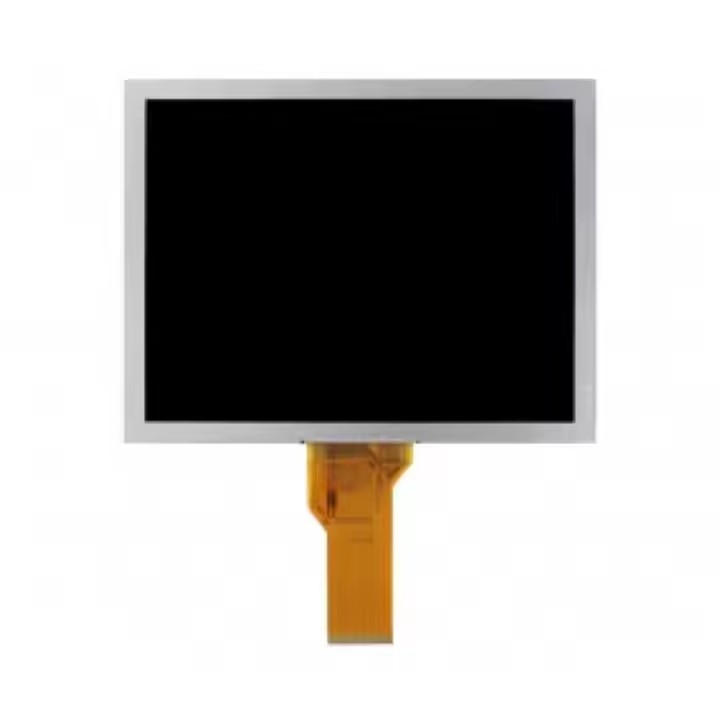
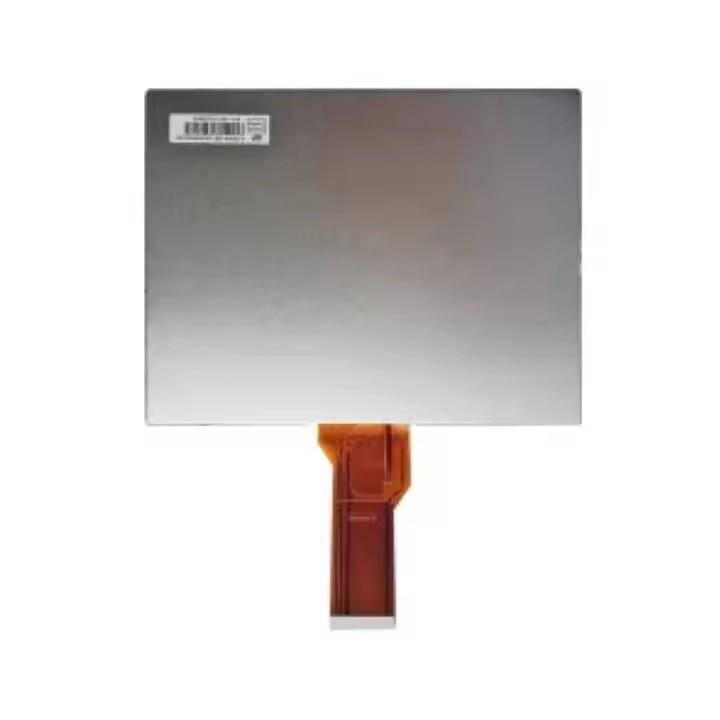
The INNOLUX EJ080NA-05B is an 8.0-inch diagonal Liquid Crystal Display module with a resolution of 800 x RGB x 600 (SVGA). This configuration offers a balanced pixel density for applications requiring clear text and graphics without the excessive power draw of higher-resolution panels. At its heart lies an a-Si (amorphous Silicon) TFT (Thin-Film Transistor) active matrix, a mature and cost-effective technology known for its reliability and stable manufacturing yields.
The module employs a standard RGB vertical stripe sub-pixel arrangement and typically utilizes LED backlighting, which provides advantages in longevity, brightness uniformity, and power efficiency compared to older CCFL technology. The panel's outline dimensions, active area, and surface treatment (often hard coating or anti-glare) are precisely defined, ensuring mechanical compatibility in design. Understanding this foundational architecture is crucial, as it sets the stage for the panel's performance envelope and dictates key aspects of the driving electronics and power supply design.
Optical Performance: Brightness, Contrast, and Color Gamut
Optical characteristics directly impact readability and visual fidelity. The EJ080NA-05B is engineered for environments where consistent clarity is paramount. Its typical brightness specification, often in the range of several hundred nits, determines its usability under various ambient lighting conditions. A higher brightness level is essential for outdoor or brightly lit industrial settings.
Equally important is the contrast ratio, which defines the difference between the brightest white and the darkest black the panel can produce. A higher ratio yields more depth and legibility. Furthermore, the panel's color gamut—the range of colors it can reproduce—is defined by the LED backlight spectrum and color filter properties. For the EJ080NA-05B, the gamut typically covers a standard range like 50-60% of NTSC, suitable for applications where accurate color reproduction is beneficial but not critically demanding, such as in data readouts, control interfaces, or diagnostic equipment.
The Interface Ecosystem: LVDS and Control Signals
The bridge between the host system and the display is its interface. The EJ080NA-05B commonly utilizes an LVDS (Low-Voltage Differential Signaling) interface. LVDS is a preferred choice in industrial and embedded applications due to its robustness against electromagnetic interference (EMI), lower power consumption compared to older TTL interfaces, and ability to transmit high-speed data over longer cable lengths within the device.
This digital interface requires a compatible timing controller (TCON) on the system's mainboard or a separate interface board. The pinout and signal definitions of the connector (e.g., a 40-pin or 50-pin FPC) are standardized but must be meticulously followed during circuit design. Beyond video data, the interface manages critical control signals for power sequencing, enable/disable functions, and backlight adjustment, making a thorough understanding of the interface protocol essential for a stable and flicker-free display output.
Reliability and Environmental Durability Considerations
For integration into non-consumer products, the panel's reliability under stress is a key purchasing factor. The EJ080NA-05B is designed to meet rigorous operational demands. Specifications regarding operating and storage temperature ranges are critical; a wide range (e.g., -20°C to 70°C operating) ensures functionality in harsh environments.
Additional durability aspects include resistance to vibration and shock, which is vital for mobile or handheld devices. The longevity of the LED backlight, often rated for tens of thousands of hours, is another crucial metric. Manufacturers may also offer enhancements like wide-temperature grade liquid crystals or strengthened glass to prevent pressure marks. Evaluating these parameters against the target application's environmental profile is a necessary step to avoid field failures and ensure product longevity.
Application Scenarios and Competitive Positioning
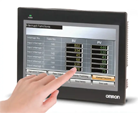
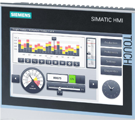
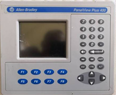
The specific blend of size, resolution, and robustness makes the EJ080NA-05B a strong candidate for several niche markets. Its primary applications are found in industrial human-machine interfaces (HMI), portable test and measurement equipment, medical monitoring devices, and point-of-sale (POS) terminals. In these fields, reliability, readability, and a stable supply chain often outweigh the need for ultra-high resolution or expansive color.
Competitively, it positions itself against other 8-inch SVGA panels from manufacturers like AUO or Panasonic. Its value proposition lies in INNOLUX's manufacturing scale, consistent quality, and the technical support ecosystem. For a designer, the choice may come down to nuanced differences in optical performance, mechanical outline, connector type, or local distributor support and pricing, making a side-by-side comparison of detailed specifications indispensable.
Integration Challenges and Best Practices
Successfully integrating the EJ080NA-05B into a final product requires attention to several practical details. Power sequencing is paramount; applying voltages to the logic and backlight in an incorrect order can permanently damage the panel. The design must adhere strictly to the recommended sequence in the datasheet.
Mechanical integration must account for tolerances, avoiding excessive pressure on the glass, and ensuring proper grounding to mitigate noise. Backlight driving also requires care; whether using a constant current or PWM dimming method, the circuit must be designed to avoid audible noise and ensure even brightness. Finally, sourcing from authorized distributors or directly from INNOLUX is recommended to guarantee authenticity, access to updated technical documentation, and reliable warranty support.
FAQs: EJ080NA-05B LCD Display Panel
Q1: What is the screen size and resolution of the EJ080NA-05B?A: It is an 8.0-inch diagonal panel with a resolution of 800 x 600 pixels (SVGA).
Q2: Who manufactures this display panel?A: It is manufactured by INNOLUX, a major Taiwanese display panel producer.
Q3: What type of interface does it use?A: It typically uses an LVDS (Low-Voltage Differential Signaling) digital interface.
Q4: Is this panel suitable for outdoor use?A: Its suitability depends on the specific brightness rating. Models with high brightness (e.g., 500+ nits) can be used in brightly lit conditions.
Q5: What is the typical operating temperature range?A: Standard versions often operate from -20°C to 70°C, but specific grades may vary.
Q6: Can I use this panel with a Raspberry Pi or Arduino?A: Not directly. You would need an intermediate controller board that converts the output (e.g., HDMI) to the panel's LVDS signal.
Q7: How is the backlight powered and controlled?A: The LED backlight requires a separate constant current driver and can usually be dimmed via PWM (Pulse Width Modulation) signal.
Q8: What are the main applications for this display?A: Common applications include industrial HMIs, medical devices, portable instrumentation, and POS systems.
Q9: Where can I find the detailed datasheet?A: The official datasheet should be sourced from INNOLUX directly or through authorized distributors.
Q10: What are key things to check during integration?A: Critical checks include correct power sequencing, secure mechanical mounting without glass stress, and proper EMI grounding.
Conclusion
The INNOLUX EJ080NA-05B LCD panel represents a specific and well-optimized solution within the landscape of industrial and embedded displays. Its value lies not in cutting-edge specifications, but in a proven combination of adequate resolution, reliable a-Si TFT technology, robust LVDS interfacing, and design durability. For engineers and product managers, its appeal is rooted in predictable performance and the stability offered by a major manufacturer's supply chain.
Selecting this panel is a strategic decision that prioritizes long-term reliability and ease of integration for specialized applications. By thoroughly evaluating its optical performance against environmental requirements and adhering to integration best practices, developers can leverage the EJ080NA-05B to create robust and user-friendly devices. In a world of rapidly changing display technologies, such components remain the steadfast backbone of countless professional and industrial tools.