



















In the vast ecosystem of industrial automation, medical imaging, and high-end gaming, the display is often the most critical interface between man and machine. Among the myriad of panel options available, the AUO G190ETN03.0 stands as a benchmark for reliability and performance. This 19-inch TFT-LCD module, produced by AU Optronics (AUO), is not merely a screen; it is a highly engineered solution designed to operate in environments where consumer-grade displays would fail. This article delves deep into the technical architecture, application-specific advantages, and market relevance of the G190ETN03.0. We will move beyond basic specifications to explore why this particular model remains a preferred choice for system integrators and engineers. From its precise optical characteristics to its robust industrial design, we aim to provide a comprehensive understanding of what makes this display module a cornerstone in the professional display market. Whether you are a procurement specialist or a design engineer, this analysis will equip you with the knowledge to evaluate its fit for your next project.
Decoding the Panel: Optical Precision and Mechanical Rigor
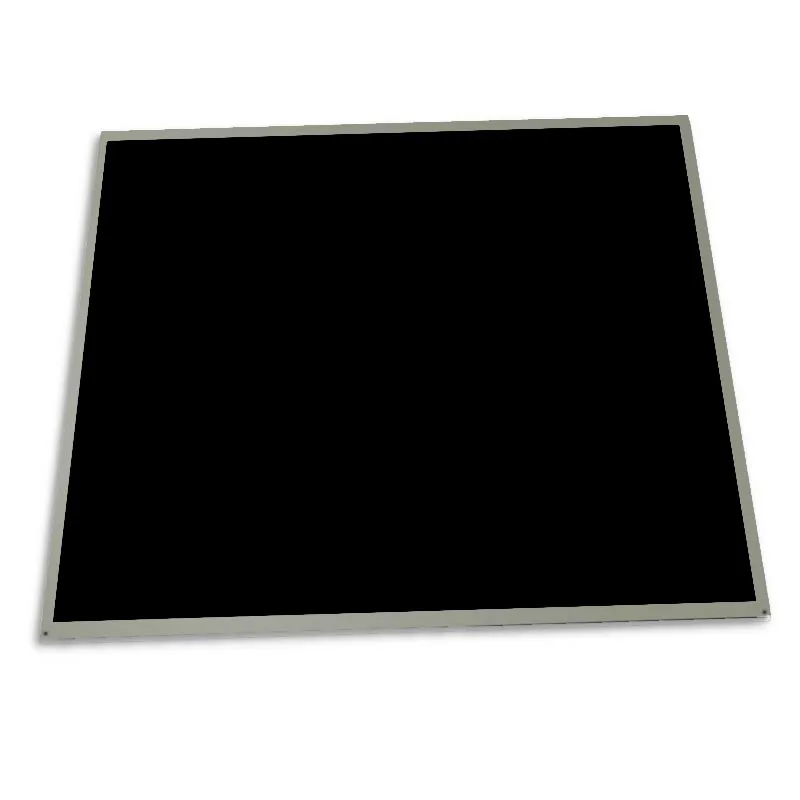
The G190ETN03.0 is a 19.0-inch a-Si TFT LCD panel, and its core architecture dictates its performance envelope. At its heart lies an Active Matrix technology utilizing amorphous silicon (a-Si) Thin-Film Transistors (TFTs). This provides a reliable and consistent voltage control for each pixel, which is critical for maintaining image stability over long operational hours. The native resolution of 1280 x 1024 (SXGA) yields an aspect ratio of 5:4, a classic format that remains highly compatible with legacy industrial software and point-of-sale systems.
Optically, the panel boasts a high brightness rating, typically around 350 cd/m² (or higher in surface-mount versions), making it suitable for environments with ambient light interference. The viewing angle is a key differentiator. With a specified 89/89/89/89 degree (CR≥10) viewing angle, this module offers exceptional off-axis color and contrast stability. This is achieved through Vertical Alignment (VA) technology, a hallmark of AUO’s high-end industrial panels. Unlike IPS panels which prioritize wide color gamut, VA panels in this class excel at delivering deep blacks and high static contrast ratios (typically 1000:1 to 3000:1), which is essential for displaying sharp text and diagnostic-quality images. The mechanical structure is equally rigorous, featuring a robust metal bezel and built-in mounting brackets, designed to withstand the vibration and temperature variations common in factory floors and kiosks.
Interface and Compatibility: The LVDS Backbone
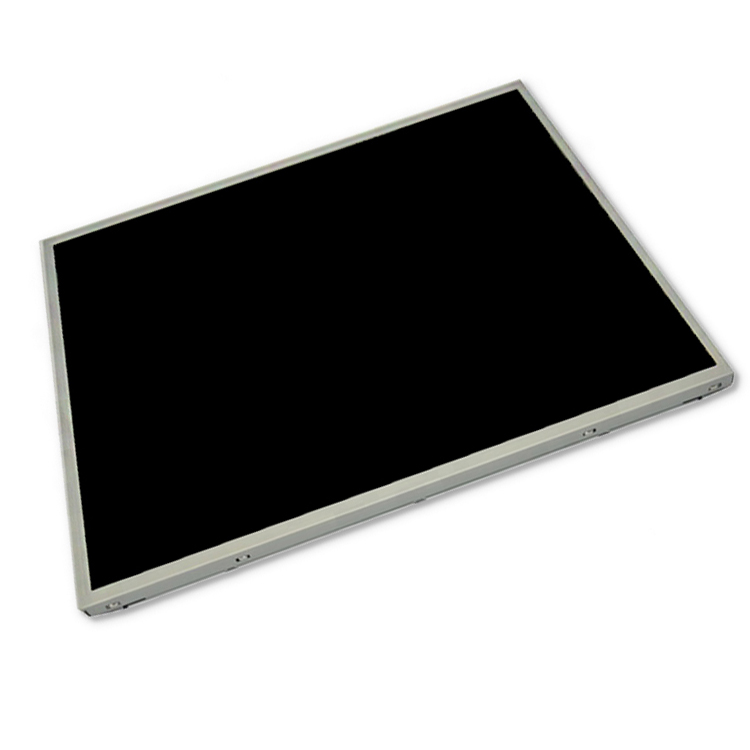
Connectivity is a critical aspect of industrial integration, and the G190ETN03.0 is firmly grounded in the standard of its era: Low-Voltage Differential Signaling (LVDS). Specifically, it utilizes a 2-channel LVDS interface operating at a 5V power supply voltage for the logic circuit. This dual-channel configuration is essential for driving the SXGA resolution at a smooth 60Hz refresh rate. The use of LVDS is a deliberate design choice for industrial applications. It provides inherent noise immunity over cable lengths typical of embedded systems (up to several meters) while keeping power consumption and electromagnetic interference (EMI) low.
For system integrators, this means compatibility with a vast array of single-board computers, industrial motherboards, and graphics controllers that feature LVDS outputs. The standard pinout (typically a 30-pin JAE connector) makes it a drop-in replacement for many legacy 19-inch industrial displays. Engineers must pay careful attention to the LVDS mapping (JEIDA vs. VESA formats) when designing or selecting a controller board. The G190ETN03.0 is generally configured for JEIDA format, which is common in many embedded solutions. A mismatch in mapping will result in incorrect color display. Additionally, the backlight is driven by a separate LED driver circuit, requiring a 12V typical voltage for the backlight unit, which is often integrated into the system power supply or a dedicated inverter board.
Thermal and Environmental Engineering for 24/7 Operation
Perhaps the most significant distinction between a consumer monitor and an industrial module like the G190ETN03.0 is its resilience to environmental stress. This panel is engineered for continuous operation (24/7) in environments that would degrade standard components. The operating temperature range is typically specified from -10°C to +60°C, and the storage range extends from -20°C to +70°C. This thermal tolerance is achieved through careful selection of the Liquid Crystal material and robust electronic componentry that can handle thermal cycling.
Heat dissipation is a key design consideration. The metal back cover and chassis of the module act as a heat sink, drawing heat away from the LED backlight and driver ICs. In enclosed systems, such as an airline check-in kiosk or a petrol pump display, forced air cooling is often recommended to maintain the panel below its maximum operational threshold. The LED backlight itself is a major advantage over older CCFL modules. LEDs have a significantly higher rated lifetime, often exceeding 50,000 hours (MTBF) to half-brightness. This longevity directly reduces the total cost of ownership by minimizing maintenance and replacement downtime. Furthermore, the module’s construction includes measures to prevent condensation, a common failure point in humid or rapidly changing thermal environments, ensuring reliable operation in settings ranging from outdoor ticketing machines to cold-storage warehouse terminals.
Application Landscapes: Where Precision Meets Purpose
The unique characteristics of the G190ETN03.0 make it the preferred choice for several demanding verticals. In the medical sector, it is frequently found in patient monitoring systems and diagnostic imaging displays. The VA technology’s high contrast ratio allows clinicians to discern subtle variations in waveforms and images, while the wide viewing angles are critical for viewing from bedside or across a nursing station. The 5:4 aspect ratio is also ideal for displaying two or more vital sign graphs simultaneously without significant distortion.
In industrial automation, this panel serves as a human-machine interface (HMI) for Programmable Logic Controllers (PLCs). The robust mechanical design resists the constant vibration from heavy machinery, and the high brightness ensures readability under factory floor lighting. Gaming and casino markets also rely on this module for slot machines and electronic table games. The optical purity and fast response time (typically 8ms) prevent motion blur in fast-paced video reels, while the ruggedness is essential for devices subjected to frequent use, spills, and impact. Another growing application is in digital signage for transportation, such as airport flight information display systems (FIDS). The reliable 24/7 operation ensures that critical schedule data is always visible, and the uniform brightness of the LED backlight guarantees consistent image quality across a matrix of displays.
Market Position and Strategic Sourcing Considerations
Understanding the market lifecycle of the G190ETN03.0 is crucial for procurement and project planning. AUO typically classifies this product under a longer product lifecycle, often 5-7 years or more, but it is not immune to obsolescence. As of the current market, the panel is moving towards its end-of-life (EOL) phase for first-run AUO original production. This has significant implications for system integrators. While new-old-stock (NOS) is still available, the price has shown a slight increase due to scarcity and the demand from legacy system repairs.
Sourcing requires careful vetting of suppliers. The market is rife with secondary-grade panels, re-labled modules, or panels retrieved from decommissioned equipment. A reliable supplier should provide traceability to the original AUO manufacturing lot code. These panels are tested against specific criteria, with Grade A panels having zero dead pixels and strict luminance uniformity tolerances. For new designs, engineers should consider the shift towards higher resolution panels (e.g., 1920x1080) and newer interfaces like eDP. However, for maintaining existing systems, investing in a verified, high-grade G190ETN03.0 from a reputable distributor remains a sound strategy. It is essential to request test reports showing specifications within AUO’s published tolerances for brightness, contrast, and color coordinates before purchasing, especially for high-stakes medical or mission-critical industrial applications.
FAQs: G190ETN03.0 - 19 Inch AUO Display Module
1. What is the exact resolution of the G190ETN03.0? It has a native resolution of 1280 x 1024 pixels (SXGA) with a 5:4 aspect ratio.
2. What is the interface type required to drive this panel? It uses a 2-channel LVDS (Low-Voltage Differential Signaling) interface, typically with a 30-pin JAE connector.
3. Is the backlight LED or CCFL? It features an LED backlight, which provides a long lifespan (50,000+ hours) and lower power consumption compared to older CCFL types.
4. What is the typical brightness of this model? Standard brightness is approximately 350 cd/m², though some specific versions (like surface-mount) may be higher.
5. Can this display be used outdoors? It is not designed for direct sunlight. Its ~350 cd/m² brightness is suitable for indoor industrial and commercial environments, not outdoor kiosks without high-brightness upgrades (e.g., >1000 cd/m²).
6. What is the operating temperature range? The standard operating temperature is typically between -10°C and +60°C, with storage from -20°C to +70°C.
7. What is the typical response time? The response time is usually around 5ms to 8ms (Rise + Fall), making it suitable for fast-moving content in gaming or industrial animations.
8. Is this panel compatible with a Raspberry Pi or similar SBC? Yes, but you will need a dedicated LVDS controller board that converts HDMI or DVI signals to the correct LVDS format and voltage for the panel.
9. What is the viewing angle specification? It boasts ultra-wide viewing angles of 89 degrees in all four directions (U/D/L/R) with a contrast ratio greater than 10:1, typical for VA technology.
10. Is the G190ETN03.0 still in production? This model is considered in a mature or EOL phase. Most stock now comes from existing inventory, surplus, or carefully tested secondary market sources.
Conclusion: The Enduring Value of a Proven Platform
The AUO G190ETN03.0 is more than just a display; it is a testament to engineering for longevity and reliability in an industry often driven by rapid consumer cycles. Its combination of a robust VA panel, high contrast ratio, robust LVDS interface, and wide thermal tolerance has solidified its position as a trusted workhorse in medical, industrial, and gaming applications. While the march of technology pushes towards higher resolutions and new interfaces, the practical reality is that thousands of systems rely on this specific module, making sourcing and understanding it a valuable skill. For engineers and integrators, the key takeaway is to treat the G190ETN03.0 as a specialized component. Its value lies not in cutting-edge flashiness, but in its proven consistency. By respecting its thermal requirements, ensuring LVDS signal compatibility, and sourcing from verified channels, you can extract years of reliable service from this excellent piece of AUO engineering. It remains a smart, cost-effective choice for applications where failure is not an option.





