


















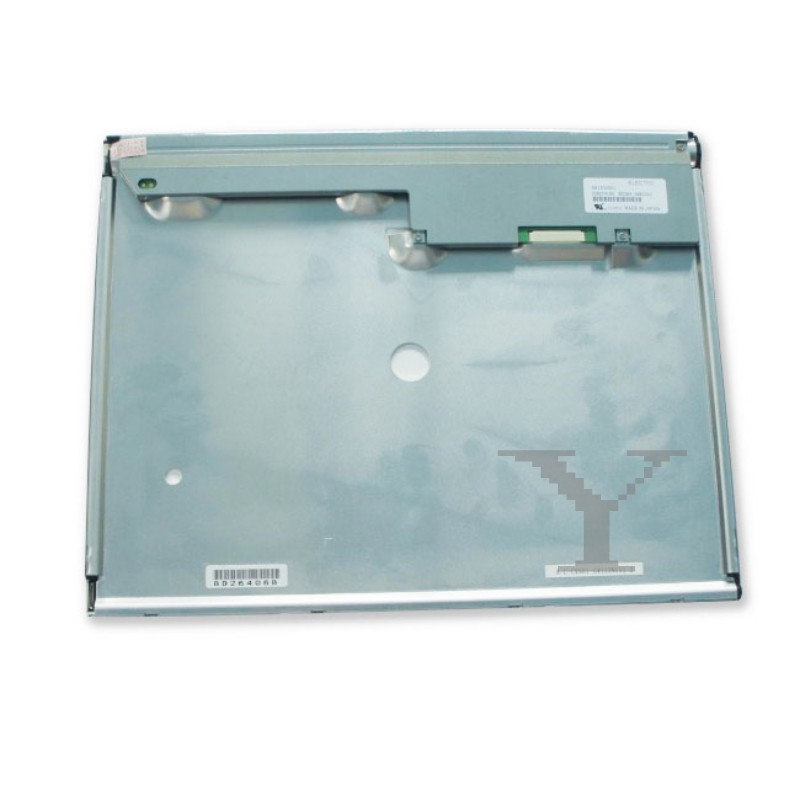
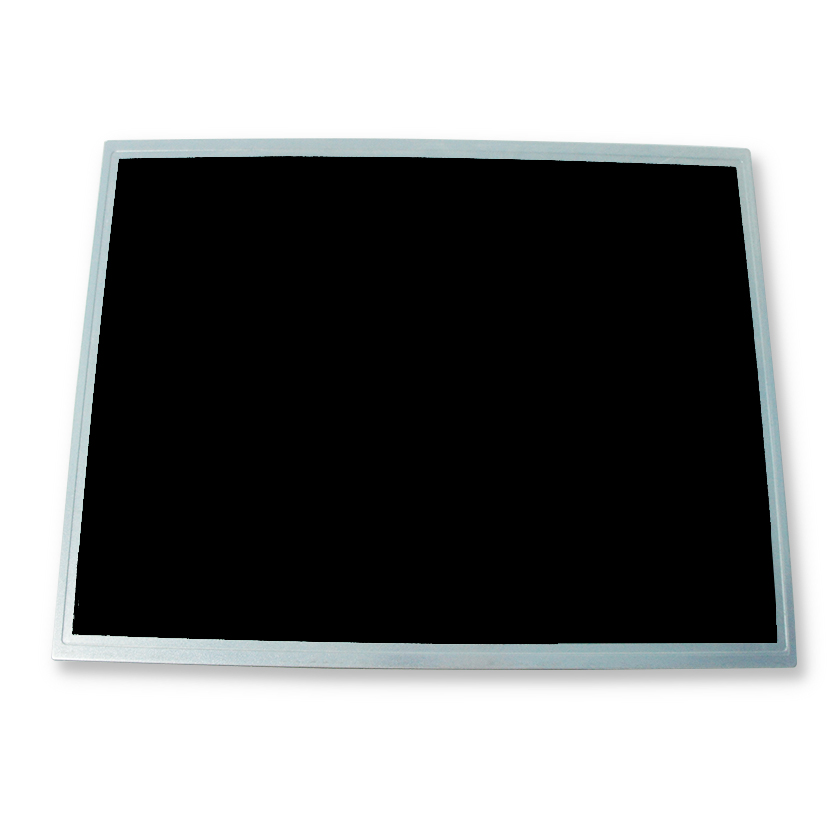
In the intricate world of industrial and embedded display solutions, certain components stand out not merely as parts, but as benchmarks of reliability and performance. The AA150XT11--G2, a 15-inch a-Si TFT-LCD LCM module from Mitsubishi Electric, is one such component. This article delves deep into this specific display module, exploring its technical DNA and the practical implications of its specifications: a 1024(RGB)×768 XGA resolution, 85 PPI pixel density, and its construction as a Liquid Crystal Module (LCM).
Beyond a simple datasheet review, we will analyze how these characteristics converge to define its ideal application landscape. From factory floors to medical devices, the choice of a display is a critical engineering decision. Understanding the why behind the specs of the AA150XT11--G2—its strengths, limitations, and design philosophy—empowers designers, engineers, and procurement specialists to make informed choices that impact product longevity, usability, and total cost of ownership.
Decoding the Core Specifications: XGA Resolution and 85 PPI
The AA150XT11--G2 is built around the XGA (1024 x 768 pixels) standard. In today's era of 4K and beyond, this may seem modest. However, in industrial contexts, this resolution represents a deliberate and strategic choice. XGA provides a clear, functional canvas for human-machine interfaces (HMIs), control systems, and diagnostic equipment, displaying complex schematics, data tables, and control elements without overwhelming the system's graphical processing unit or data transmission bandwidth.
Paired with a 15-inch diagonal, the 85 Pixels Per Inch (PPI) density is a key differentiator. Compared to high-PPI consumer screens, 85 PPI offers large, easily legible pixels. This translates to exceptional readability from a distance or in suboptimal lighting conditions—a common scenario in warehouses, manufacturing plants, or medical settings. The balance between screen size and resolution ensures information is accessible without requiring excessive physical space for the monitor itself, a crucial factor in embedded designs.
The Significance of the a-Si TFT-LCD Technology
At the heart of this module lies Amorphous Silicon (a-Si) Thin-Film Transistor (TFT) technology. This is the workhorse of the LCD industry, renowned for its maturity, cost-effectiveness, and proven reliability. For a module like the AA150XT11--G2, designed for long-lifecycle products, these attributes are paramount. a-Si technology offers stable performance over a wide temperature range and a long operational lifespan, which is essential for equipment that may remain in service for a decade or more.
Furthermore, a-Si TFT-LCDs provide consistent image quality with good color reproduction and contrast ratios suitable for most industrial applications. While it may not offer the ultimate contrast of OLED or the speed of newer technologies for ultra-fast motion, its balance of performance, durability, and cost is unmatched for static or moderately changing content displays. This technological choice underscores Mitsubishi's targeting of robust, continuous-use environments.
LCM Construction: A Module-Centric Approach
The designation LCM (Liquid Crystal Module) is critical. Unlike a standalone monitor, an LCM is a fully integrated panel assembly that includes the LCD glass, driver ICs, backlight unit, and often a controller board, but typically requires an external video signal processor. This modular approach offers significant advantages for product integrators. It allows for a slimmer, more compact end-product design, as the display can be directly embedded into the device's housing.
For engineers, using an LCM like the AA150XT11--G2 simplifies the supply chain and reduces development complexity. The module is tested and validated as a complete display subsystem, ensuring compatibility between its internal components. This reduces time-to-market and mitigates the risk associated with sourcing and assembling individual display elements, such as separate controllers and backlights, which is a common challenge in custom display integration.
Backlighting and Optical Performance Characteristics
The visual performance of any LCD is fundamentally tied to its backlighting system. The AA150XT11--G2 typically employs a CCFL (Cold Cathode Fluorescent Lamp) or an LED edge-light system, designed for high brightness and uniformity. In industrial settings, displays must combat ambient glare from overhead lighting or sunlight through windows. A high-brightness backlight ensures the interface remains visible and operational.
Optical characteristics such as viewing angle, contrast ratio, and color gamut are engineered for clarity and consistency. Wide viewing angles (both horizontal and vertical) are crucial for applications where multiple operators may view the screen from different positions. The module's optical stack is tuned to deliver reliable performance, prioritizing readability and accuracy for data-centric tasks over the vibrant saturation desired for consumer media consumption.
Ideal Application Environments and Use Cases
The technical profile of the AA150XT11--G2 naturally directs it toward specific, demanding environments. Its primary domain is industrial automation, where it serves as the face of PLCs, CNC machine controls, and test/measurement equipment. The robust construction and stable performance withstand vibrations, temperature fluctuations, and continuous 24/7 operation.
Beyond the factory, it finds a home in medical devices (patient monitors, diagnostic instruments), transportation (marine navigation, fleet management systems), and point-of-sale/kiosk solutions. In each case, the common threads are reliability, long service life, and the need for a clear, dependable interface between human and machine. The module's specification sheet is effectively a blueprint for environments where failure is not an option.
Integration Considerations and Long-Term Value
Selecting the AA150XT11--G2 is not just about the display itself; it's about the total integration effort. Engineers must consider interface compatibility (typically LVDS), power requirements, mechanical mounting, and thermal management. The module's long-term availability is another vital factor, as industrial product lines often outlive consumer display fashions by many years.
The true value proposition lies in Total Cost of Ownership (TCO). While the initial unit price is a factor, the low failure rate, reduced maintenance needs, and stability of supply from a reputable manufacturer like Mitsubishi Electric contribute significantly to lower lifecycle costs. Investing in a high-quality, purpose-built LCM mitigates the risk of costly field failures, production downtime, and premature product redesigns, delivering enduring value.
FAQs: AA150XT11--G2 Display Module
Q1: What does "LCM" stand for in AA150XT11--G2?A1: LCM means Liquid Crystal Module. It's a fully integrated panel assembly including the LCD, drivers, and backlight, ready for embedding into a larger system.
Q2: Is the 1024x768 XGA resolution sufficient for modern applications?A2: Yes, for industrial HMIs, medical monitors, and kiosks displaying data and controls, XGA offers excellent clarity without demanding excessive processing power.
Q3: What is the main advantage of 85 PPI on a 15" screen?A3: It provides large, highly legible pixels, ensuring easy readability from a distance and in bright or variable lighting conditions common in industrial settings.
Q4: What type of backlight does this module use?A4: It typically uses a high-brightness CCFL or LED backlight system designed for long life and consistent illumination suitable for challenging environments.
Q5: Is the AA150XT11--G2 suitable for outdoor use?A5: Not inherently. While bright, it is not specifically built as a sunlight-readable display. It is ideal for indoor industrial and commercial applications.
Q6: What is the typical interface for this LCM?A6: It commonly uses an LVDS (Low-Voltage Differential Signaling) interface, a standard, robust digital interface for transmitting video data to the panel.
Q7: Why choose a-Si TFT technology over newer options?A7: For its proven reliability, cost-effectiveness, stable performance over wide temperatures, and suitability for long-lifecycle products.
Q8: Can this module be used in portrait orientation?A8: This depends on the module's specific design and controller support. Consult the datasheet or manufacturer for orientation capabilities.
Q9: What are key factors when integrating this LCM?A9: Key factors include power supply design, signal interface compatibility, mechanical mounting/fit, thermal dissipation, and ensuring a stable, clean power source.
Q10: Why source this from Mitsubishi Electric?A10: Mitsubishi Electric is known for high-quality, reliable industrial components with stable long-term supply, crucial for products with multi-year lifecycles.
Conclusion
The Mitsubishi AA150XT11--G2 is far more than a collection of specifications on a page. It represents a meticulously engineered solution tailored for the rigorous demands of industrial and embedded applications. Its choice of mature a-Si TFT technology, practical XGA resolution with low PPI for enhanced readability, and modular LCM construction collectively define a product built for endurance, clarity, and seamless integration.
In a landscape cluttered with consumer-grade displays ill-suited for harsh environments, this module stands as a testament to purpose-driven design. For engineers and product managers, understanding its nuanced capabilities—from optical performance to long-term supply stability—enables smarter, more strategic decisions that ultimately lead to more reliable and successful end products. The AA150XT11--G2 exemplifies how the right display technology, chosen with depth of understanding, becomes a silent, reliable partner in operational excellence.





