
















In the intricate world of embedded displays and industrial human-machine interfaces, the selection of a core visual component is a decision that reverberates throughout a product's lifecycle. Among the myriad of options, the AUO G101STN01.7 emerges as a significant and widely adopted solution. This 10.1-inch TFT LCD module represents more than just a screen; it is a carefully engineered subsystem designed to meet the rigorous demands of applications where reliability, clarity, and longevity are non-negotiable. From industrial control panels and point-of-sale systems to medical devices and transportation infotainment, this module forms the critical bridge between machine data and human interaction.
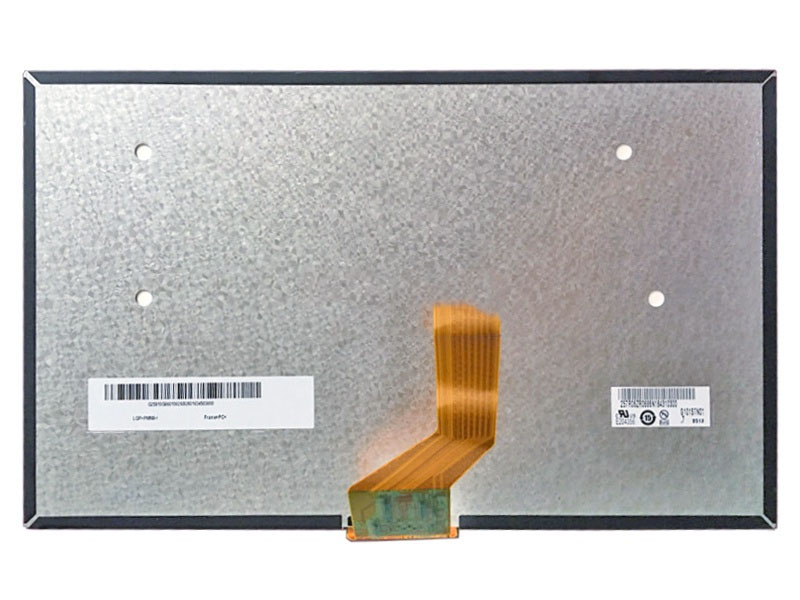
This article delves into a comprehensive technical and application-focused analysis of the AUO G101STN01.7. We will move beyond basic datasheet specifications to explore the engineering rationale behind its design, its performance characteristics in real-world scenarios, and the key considerations for successful integration. Our goal is to provide engineers, product designers, and procurement specialists with the depth of understanding necessary to evaluate whether this module is the optimal visual engine for their next project.
Core Architecture and Technical Specifications
The foundation of the AUO G101STN01.7's performance lies in its fundamental architecture. As a Twisted Nematic (TN) type TFT LCD, it offers a cost-effective solution with fast response times, a crucial factor for reducing motion blur in dynamic content. The module delivers a native resolution of 1024 x 600 pixels (WSVGA), providing a balanced pixel density for clear text and graphics on its 10.1-inch diagonal active area.
Its optical performance is defined by a standard brightness of 250 nits and a contrast ratio of 500:1, suitable for controlled indoor environments. The interface is a critical component, and this module utilizes an LVDS (Low-Voltage Differential Signaling) single-channel configuration. This choice is significant: LVDS provides robust noise immunity, essential for stable image transmission in electrically noisy industrial settings, while keeping electromagnetic interference low. Understanding these core specs is the first step in aligning the module's capabilities with project requirements.

The Rationale Behind TN Technology Selection
The choice of TN panel technology over alternatives like IPS or VA is a deliberate engineering trade-off. TN panels are characterized by their exceptionally fast pixel response times, often in the range of milliseconds. This makes the G101STN01.7 inherently suitable for applications involving rapidly updating data or basic video playback without severe ghosting artifacts.
However, this advantage comes with known compromises. TN technology typically exhibits more limited viewing angles, especially on the vertical axis, and less vibrant color reproduction compared to IPS. For the target applications of this module—such as a fixed-angle industrial terminal or a POS system viewed primarily head-on—the wide viewing angles of IPS may constitute an unnecessary cost premium. The selection here prioritizes functional reliability, cost-effectiveness, and speed for specific use cases over premium viewing characteristics.
Optical Bonding and Ruggedized Design
Where the AUO G101STN01.7 truly distinguishes itself for industrial use is in its potential for enhanced mechanical and optical construction. A key feature often specified in its deployment is optical bonding. This process involves filling the air gap between the LCD panel and the front cover glass (or touch sensor) with a clear, durable resin.
This technique yields multiple critical benefits: it significantly reduces surface reflections, improving sunlight readability; it enhances mechanical strength by creating a monolithic structure resistant to vibration and shock; and it mitigates condensation. When combined with a robust metal frame and careful thermal management, the module transforms from a standard display into a ruggedized component capable of surviving harsh factory floors, outdoor kiosks, or mobile transportation environments.
Interface Integration and Signal Integrity
Successful integration hinges on a deep understanding of the module's communication interface. The LVDS interface used by the G101STN01.7 requires a compatible controller on the host system. Designers must pay close attention to the pinout definition, power sequencing requirements, and backlight control to ensure stable operation and avoid damaging the panel.
Signal integrity is paramount. The differential pairs of the LVDS link must be routed on the PCB with careful length matching and impedance control (typically 100Ω) to prevent signal degradation. Furthermore, the module's power supply needs to be clean and stable, as noise on the power rails can manifest as visual artifacts on the screen. Proper integration is not merely a wiring task but a critical exercise in electrical design.
Application-Specific Performance Considerations
Evaluating the module's suitability must be done through the lens of the end application. In 24/7 operational environments like factory HMIs or medical monitors, the backlight's lifetime (often rated at 50,000 hours or more) and the panel's resistance to image burn-in become paramount. The operating temperature range, typically from -20°C to 70°C for industrial grades, must encompass the environmental extremes of the deployment site.
For touch-enabled applications, the choice of touch technology (resistive, projective capacitive) added to the module must be considered as a system. Factors like activation force, glove compatibility, and sealing against liquids will dictate the optimal choice. Each application imposes a unique set of constraints that stress different aspects of the module's design.
Supply Chain and Alternative Sourcing Strategies
In today's global manufacturing landscape, component sourcing is a strategic consideration. The AUO G101STN01.7, as a specific part from a major manufacturer, may have defined lifecycle phases. For long-lifecycle products, understanding AUO's roadmap and securing adequate inventory is crucial.
This also necessitates an evaluation of compatible alternatives or "drop-in replacements" from other manufacturers. Such alternatives must be vetted not just on mechanical and electrical compatibility, but also on optical performance matching to avoid costly product re-qualification. Developing a multi-source strategy for critical components like this display module is a key aspect of mitigating supply chain risk and ensuring product longevity.
FAQs: AUO G101STN01.7 10.1-Inch TFT LCD Module
Q1: What is the primary interface of the G101STN01.7?A1: It uses a single-channel LVDS (Low-Voltage Differential Signaling) interface for robust data transmission.
Q2: Is this module suitable for outdoor use?A2: With standard 250-nit brightness, it's best for indoors. For outdoor use, optical bonding and a high-brightness version (if available) are strongly recommended.
Q3: What does "TN" mean in its name?A3: It stands for Twisted Nematic, a panel technology known for fast response times but more limited viewing angles compared to IPS.
Q4: Can I add a touch screen to this module?A4: Yes, it is commonly paired with resistive or capacitive touch panels, often integrated via optical bonding.
Q5: What is the typical application for this display?A5: It's designed for industrial HMIs, POS systems, medical devices, transportation displays, and other embedded systems.
Q6: What is the screen resolution?A6: The native resolution is 1024 x 600 pixels (WSVGA).
Q7: Why is optical bonding important?A7: It reduces glare, improves durability, prevents condensation, and enhances sunlight readability.
Q8: What are the critical integration steps?A8: Ensuring correct LVDS signal routing, proper power sequencing, and compatible backlight inverter/LED driver design.
Q9: How does it compare to an IPS display?A9: It has faster response time and lower cost but inferior viewing angles and color performance versus IPS.
Q10: Where can I find a compatible driver board?A10: Many third-party vendors offer LVDS controller boards; ensure compatibility with the exact pinout, voltage, and timing of the G101STN01.7.
Conclusion
The AUO G101STN01.7 10.1-inch TFT LCD module stands as a testament to purpose-driven engineering. It is not a one-size-fits-all consumer display, but a specialized component whose value is unlocked in the context of demanding embedded applications. Its selection of TN technology, robust LVDS interface, and potential for ruggedization through optical bonding make it a compelling choice for systems where reliability, cost control, and functional performance take precedence over premium visual aesthetics.
Ultimately, specifying this module is a strategic decision. It requires a holistic view that encompasses electrical integration, mechanical design, environmental challenges, and long-term supply chain viability. By thoroughly understanding its characteristics and alignment with project goals, engineers can leverage the G101STN01.7 to build robust, effective, and enduring human-machine interfaces that stand the test of time and operation.





