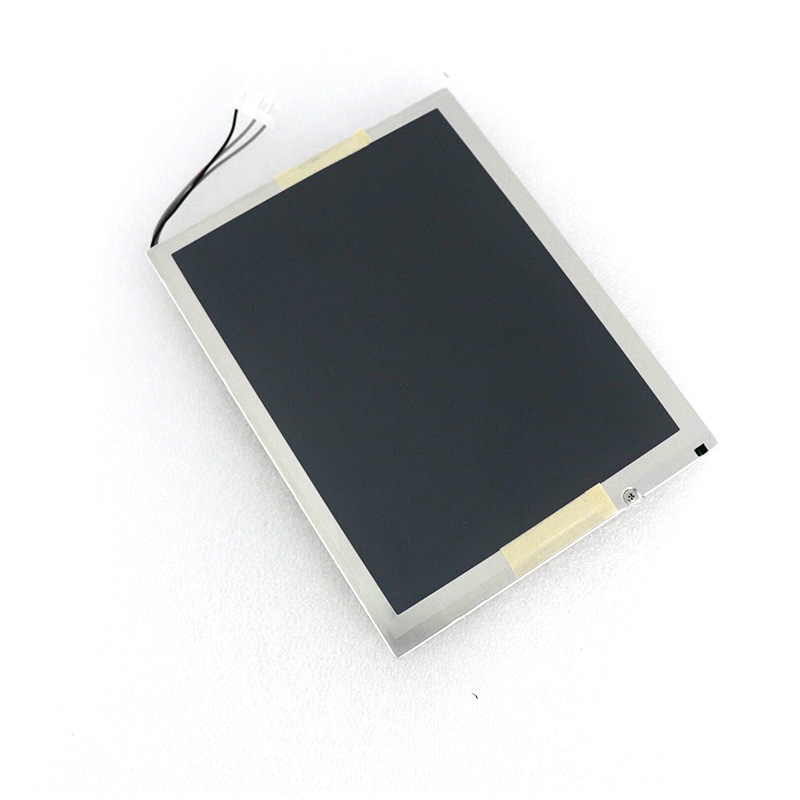
In the intricate world of electronic components, the display module often serves as the critical interface between machine and user. Among the myriad of options available to design engineers, the NL6448BC20-18D from NLT stands out as a mature, reliable, and precisely defined solution for applications demanding robustness and clarity. This in-depth exploration focuses on this specific 6.5-inch a-Si TFT-LCD LCM (Liquid Crystal Module), dissecting its specifications, technology, and ideal use cases beyond the basic datasheet parameters.

Our analysis will delve into the core attributes that make this module a continued choice in industrial and embedded systems. We will decode its 640x480 VGA resolution and 122 PPI density, examine the advantages and constraints of its amorphous Silicon (a-Si) TFT technology, and assess its comprehensive mechanical and electrical integration features. By understanding its performance in areas like viewing angle, brightness, and interface compatibility, engineers and procurement specialists can make informed decisions about its suitability for their next project, especially where longevity and stability trump the need for ultra-high resolution.
Decoding the Specification: VGA, PPI, and the 6.5-Inch Form Factor
The NL6448BC20-18D is built around a classic VGA (Video Graphics Array) resolution of 640 horizontal pixels by 480 vertical pixels. In an era of 4K displays, this may seem modest, but it remains a gold standard for countless industrial, medical, and human-machine interface (HMI) applications. The key metric here is pixel density: at 122 Pixels Per Inch (PPI) on a 6.5-inch diagonal screen, it offers a balance between sharpness and functional practicality. This density is sufficient for displaying clear text, detailed icons, and complex graphical data without requiring excessive scaling, while the physical size provides ample screen real estate for interactive control panels.
Furthermore, the 6.5-inch form factor is a deliberate choice for embedded systems. It fits conveniently into standardized chassis and enclosures, optimizing space without compromising usability. The 4:3 aspect ratio, synonymous with VGA, is particularly advantageous for displaying traditional software interfaces, diagnostic information, or portrait-oriented data lists, making it a versatile choice for legacy and modern systems that prioritize information density over widescreen media consumption.
The Engine of Display: Amorphous Silicon TFT Technology
At the heart of this LCM lies amorphous Silicon (a-Si) Thin-Film Transistor (TFT) technology. As one of the most established and cost-effective active-matrix technologies, a-Si TFT provides the foundation for the module's performance characteristics. Each pixel is controlled by its own transistor, allowing for faster response times and better image stability compared to passive matrix displays, eliminating the "ghosting" effect for dynamic content.
The choice of a-Si technology directly informs the module's profile, power consumption, and longevity. It offers excellent manufacturing yield and reliability, which is paramount for products with long lifecycles. While newer technologies like LTPS (Low-Temperature Polycrystalline Silicon) offer higher electron mobility for higher resolution or integration, a-Si remains the workhorse for standard-resolution displays like the NL6448BC20-18D, delivering proven performance, thermal stability, and a compelling total cost of ownership for volume applications.
Optical Performance: Brightness, Contrast, and Viewing Angles
Beyond resolution, the usability of an industrial display is dictated by its optical performance. The NL6448BC20-18D is engineered for environments where lighting conditions are not always ideal. Its typical brightness specification ensures readability under standard indoor lighting, while its contrast ratio defines the depth between the darkest black and the brightest white, crucial for legibility and graphical clarity.
A critical parameter for control panels is the viewing angle. This module employs specific display technologies (typically TN or similar with viewing angle compensation films) to provide acceptable horizontal and vertical viewing cones. This ensures that the information on the screen remains visible and color-stable even when the operator is not directly in front of the display, a common scenario in mounted equipment or multi-operator workstations. Understanding these optical limits is key to proper installation and user experience design.
Mechanical and Electrical Integration
Integrating a display module into a final product requires careful attention to its mechanical and electrical interfaces. The NL6448BC20-18D is provided as a complete LCM, meaning it includes the LCD panel, driver circuits, backlight unit, and often a metal frame. Its mechanical outline dimensions, mounting hole positions, and overall thickness are precise data points for enclosure design.
Electrically, the module accepts standard RGB interface signals, synchronized by horizontal and vertical sync pulses. The power supply requirements for both the logic driver and the backlight (typically a CCFL or LED array) must be meticulously adhered to for stable operation and long-term reliability. The presence of an inverter for CCFL backlights or constant-current drivers for LEDs adds another layer to the power design. Proper electromagnetic compatibility (EMC) design around the display is also essential to prevent noise interference in sensitive applications.
The Backlight System: Illumination and Longevity
The backlight is the component that consumes the most power and is often the lifetime-defining element of an LCM. The NL6448BC20-18D's backlight system—whether based on Cold Cathode Fluorescent Lamps (CCFL) or LEDs—determines its uniformity, brightness profile, and operational lifespan. CCFL backlights offer excellent white uniformity and proven technology, while LED backlights generally provide longer life, lower power consumption, and a more robust physical design.
Understanding the backlight's half-life rating (the time it takes for brightness to degrade to 50% of its original value) is crucial for applications requiring years of maintenance-free operation. Designers must also consider the drive circuitry and potential for dimming, which can be used to enhance contrast in dark environments or reduce power consumption. The choice here impacts thermal management, power supply design, and the overall aesthetic quality of the displayed image.
Ideal Application Scenarios and Industry Use Cases
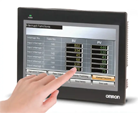
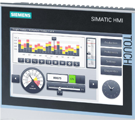
The specific combination of features embodied by the NL6448BC20-18D makes it unsuitable for consumer smartphones but ideal for a range of demanding professional environments. Its robustness, stable supply chain for legacy products, and clear optical performance find a perfect home in industrial automation (PLC interfaces, CNC machine controls), medical devices (diagnostic equipment, patient monitors where VGA is a common output), and transportation systems (in-vehicle infotainment or control units).
Other key applications include test and measurement equipment, point-of-sale terminals, and specialized human-machine interfaces where reliability, readability, and ease of system integration are more critical than having the highest resolution. For products with long development and field life cycles, using a mature, well-understood module like this mitigates risk and simplifies the parts procurement process.
FAQS
Q1: What does "LCM" stand for in NL6448BC20-18D?A1: LCM stands for Liquid Crystal Module, indicating it's a complete unit with LCD, drivers, backlight, and often a frame, ready for integration.
Q2: Is the 640x480 VGA resolution sufficient for modern applications?A2: Yes, for many industrial, medical, and embedded HMI applications where displaying clear data, text, and controls is the priority, not high-definition video.
Q3: What are the main advantages of a-Si TFT technology?A3: High manufacturing yield, proven reliability, cost-effectiveness, and good stability for standard-resolution displays, leading to a lower total cost of ownership.
Q4: What is the significance of the 122 PPI specification?A4: It defines pixel sharpness. 122 PPI on a 6.5" screen offers a balance of detail and functional size, ideal for reading text and graphics at arm's length.
Q5: What type of backlight does this module use?A5: The specific backlight type (CCFL or LED) can vary. The datasheet must be consulted, as it affects power requirements, lifespan, and driver design.
Q6: Can this display be viewed from an angle?A6: Yes, but performance varies. It features specified horizontal and vertical viewing angles suitable for panel mounting where operators may not be directly centered.
Q7: What are the primary power considerations?A7: Separate power rails for the logic driver and the backlight unit are typical. Voltage/current requirements and the potential need for an inverter (for CCFL) are critical.
Q8: Is this module suitable for outdoor use?A8: Not inherently. Its brightness and temperature range are designed for indoor/controlled environments. Outdoor use requires additional environmental sealing and likely a high-brightness variant.
Q9: What industries commonly use this display?A9: Industrial automation, medical instrumentation, transportation, test & measurement, and POS/terminal systems.
Q10: Why choose a mature module like this over a newer one?A10: For reliability, long-term supply stability, lower integration risk, and cost-effectiveness in applications where cutting-edge resolution is unnecessary.
Conclusion
The NL6448BC20-18D from NLT exemplifies how a well-executed, specification-driven display module continues to deliver immense value in specialized markets. Its strength lies not in being the most advanced, but in being an optimized, reliable, and thoroughly understood solution. The interplay of its 6.5-inch VGA format, robust a-Si TFT technology, and integrated LCM design creates a component that engineers can specify with confidence for systems where downtime is not an option.
In a landscape obsessed with the latest and highest specifications, this module serves as a powerful reminder that appropriate technology is key to successful product design. For countless industrial and embedded applications, the clear readability, mechanical stability, and proven integration path offered by the NL6448BC20-18D make it not just a viable choice, but often the most intelligent one for ensuring long-term operational success.