
















- Industrial display
-
Industrial Products
- DC Servo Drive
- AC Servo Drive
- Industrial board
- Siemens
- Switch Sensor
- Proximity Switch
- Temperature Controller
- Protection Relay
- Fiber Optic Sensor
- Encoder
- Fan
- other
- Heidelberg
- MITSUBISHI
- FANUC
- Siemens adapter
- Fujitsu connector
- Motherboard
- Board
- Contactor
- Circuit
- OMRON
- Relay
- Motor Driver
- power supply
- Cable
- Transformer
- HMI Touch Glass
-
HMI Full Machine Whole unit
- OMRON HMI Touch Panel
- Siemens HMI Touch Panel
- Mitsubishi HMI Touch Panel
- Allen-Bradley automation HMI Touch Panel
- DELTA HMI Touch Panel
- Proface HMI Touch Panel
- KINCO DELTA HMI Touch Panel
- HITECH HMI Touch Panel
- WEINTEK HMI Touch Panel
- TECVIEW HMI Touch Panel
- WEINVIEW HMI Touch Panel
- PANASONIC HMI Touch Panel
- KYOCERA HMI Touch Panel
- SCHNEIDER HMI Touch Panel
- Module
- lcd inverter
- Membrane Keypad Switch
- Zhiyan Customized Touch Screens
- Frequency Inverter
- Servo Motor
- PLC
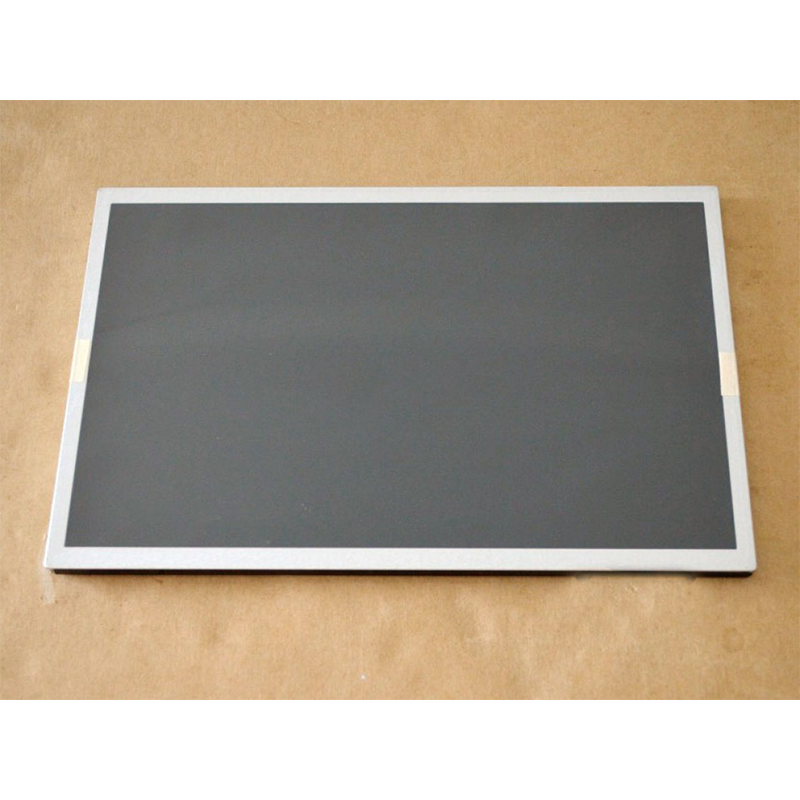
In the intricate ecosystem of industrial and commercial display solutions, the selection of a panel is a critical decision that impacts product performance, reliability, and user experience. The Innolux G121I1-L01 emerges as a significant contender in this space, a 12.1-inch TFT-LCD display module engineered for applications where clarity, durability, and consistent performance are non-negotiable. This article delves into a comprehensive analysis of this specific display, moving beyond basic datasheet specifications to explore its technological foundations, practical integration challenges, and ideal use-case scenarios.
Understanding this module's role requires examining its core architecture and the demands of the markets it serves. From medical monitors and industrial human-machine interfaces (HMIs) to transportation systems, the G121I1-L01 is designed not as a consumer-grade screen but as a component for embedded systems that must operate flawlessly under stringent conditions. We will unpack its key features, from its resolution and brightness to its interface and mechanical design, providing a clear picture of its capabilities and limitations.


Core Architecture and Technical Specifications
Critical performance parameters include a high brightness level, often around 1000 nits, ensuring readability in brightly lit environments or under direct sunlight when paired with an appropriate optical bonding solution. Its contrast ratio and wide viewing angles, both horizontal and vertical, are engineered for consistent visual performance from various positions. Understanding these specifications is the first step in evaluating its suitability, as they directly dictate the display's legibility, color fidelity, and overall visual impact in the target environment.
Optical Performance and Enhancement Technologies
Optical bonding involves filling the air gap between the LCD panel and the cover glass with a transparent resin. This process significantly reduces surface reflections, improves contrast by minimizing internal light scattering, and enhances the structural robustness of the display assembly. For the G121I1-L01, specifying an optically bonded version can transform its performance in harsh environments, making it a preferred choice for transportation, outdoor kiosks, and medical devices where reliability and clarity are paramount.
Mechanical Design and Environmental Robustness
Resistance to vibration, shock, and humidity are key attributes for its deployment in factory automation, vehicle-mounted systems, or portable diagnostic equipment. The design often incorporates a metal frame for added rigidity and heat dissipation. Engineers must carefully consider these mechanical and environmental specs during the product design phase to ensure the display will maintain integrity and functionality throughout its intended lifecycle, avoiding failures caused by thermal stress or physical impact.
Interface and Signal Integration
Additionally, the module requires a dedicated backlight driver circuit. While some versions may integrate this, others require an external inverter or LED driver. Understanding the power sequence—the precise timing for applying power to the logic board and the backlight—is critical to prevent potential damage. Failure to adhere to the recommended sequence is a common cause of integration issues and can shorten the display's lifespan.
Application-Specific Considerations and Customization
Customization options can tailor the module to exact needs. These may include different connector types, modified firmware for specific power management, or the integration of a resistive or projected capacitive touch panel. The choice between these options depends on factors like cost, required durability (resistive touchscreens work with gloves), optical clarity, and the need for multi-touch functionality.
Supply Chain and Lifecycle Management
Engaging with reputable distributors or directly with Innolux is crucial to secure a stable supply and receive notifications of potential end-of-life (EOL) schedules. For products with multi-year development and deployment timelines, planning for potential second-source options or last-time buys is a critical part of risk management. This strategic view ensures product continuity and avoids costly redesigns mid-production.
FAQs: Innolux G121I1-L01 12.1" TFT Display
Q10: Where can I find reliable technical support for integration?A10: Support is available through authorized distributors of Innolux display modules or directly via Innolux's technical channels.
Conclusion
The Innolux G121I1-L01 12.1-inch TFT display represents a robust, purpose-built solution for demanding embedded visual applications. Its value lies not in cutting-edge consumer features but in its reliable performance, environmental durability, and adaptability across critical sectors like healthcare, industry, and transportation. A successful implementation requires a holistic view that encompasses its optical characteristics, mechanical design, electronic integration, and long-term supply chain viability.





