

















- Industrial display
-
Industrial Products
- DC Servo Drive
- AC Servo Drive
- Industrial board
- Siemens
- Switch Sensor
- Proximity Switch
- Temperature Controller
- Protection Relay
- Fiber Optic Sensor
- Encoder
- Fan
- other
- Heidelberg
- MITSUBISHI
- FANUC
- Siemens adapter
- Fujitsu connector
- Motherboard
- Board
- Contactor
- Circuit
- OMRON
- Relay
- Motor Driver
- power supply
- Cable
- Transformer
- HMI Touch Glass
-
HMI Full Machine Whole unit
- OMRON HMI Touch Panel
- Siemens HMI Touch Panel
- Mitsubishi HMI Touch Panel
- Allen-Bradley automation HMI Touch Panel
- DELTA HMI Touch Panel
- Proface HMI Touch Panel
- KINCO DELTA HMI Touch Panel
- HITECH HMI Touch Panel
- WEINTEK HMI Touch Panel
- TECVIEW HMI Touch Panel
- WEINVIEW HMI Touch Panel
- PANASONIC HMI Touch Panel
- KYOCERA HMI Touch Panel
- SCHNEIDER HMI Touch Panel
- Module
- lcd inverter
- Membrane Keypad Switch
- Zhiyan Customized Touch Screens
- Frequency Inverter
- Servo Motor
- PLC
In the intricate world of electronic components, where specifications dictate performance and compatibility determines feasibility, the Sharp LS044Q7DH01 emerges as a specialized and critical display solution. This 4.4-inch TFT LCD screen is not a generic, off-the-shelf part but a precision-engineered module designed for specific, demanding applications. This article delves deep into the LS044Q7DH01, moving beyond basic datasheet parameters to explore its technical DNA, inherent advantages, and the practical considerations for integration.
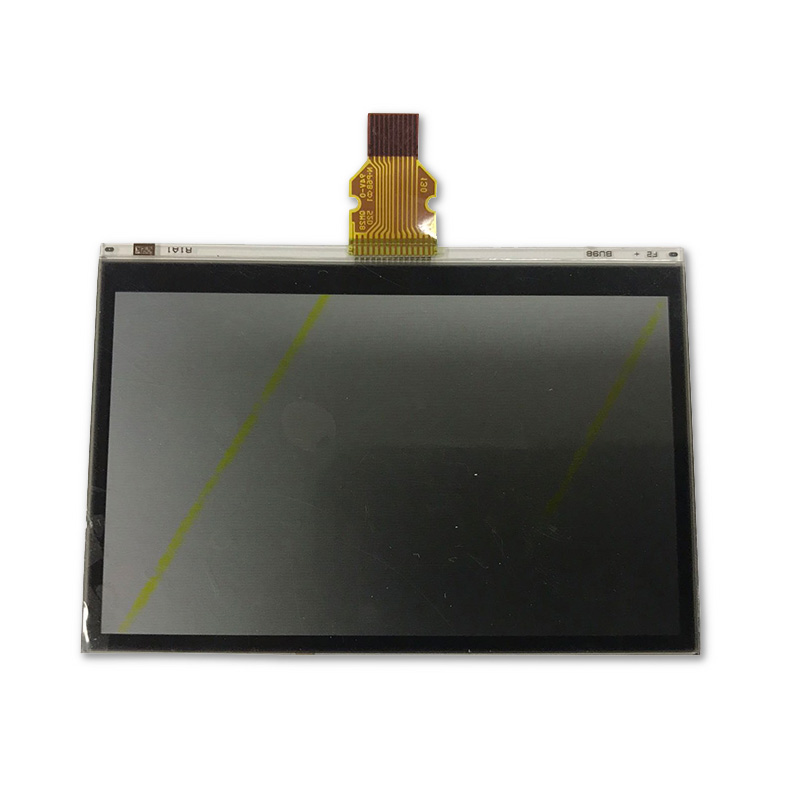
Our exploration will unpack the unique characteristics that make this Sharp display a preferred choice in sectors like medical instrumentation, industrial handhelds, and advanced consumer devices. We will analyze its optical performance, electrical interface, and mechanical design, providing a comprehensive resource for engineers, product designers, and procurement specialists. Understanding this component is key to unlocking enhanced product reliability and superior user interface quality.
Technical Architecture and Core Specifications
At its heart is an RGB interface, a parallel digital interface that transmits red, green, and blue data signals for each pixel. This direct connection allows for high-speed data transfer and precise color control, which is crucial for dynamic and accurate visual representation. Key specifications include its landscape-oriented active area dimensions, a typical brightness of 450 cd/m², and a contrast ratio that ensures clear differentiation between light and dark elements. These parameters collectively define the baseline visual output of the module.
Optical Performance and Enhanced Readability Features
This bonding significantly reduces surface reflection, minimizes dust and condensation ingress between layers, and enhances mechanical robustness. The result is improved contrast from wider viewing angles and a more rugged display stack. For applications in medical or industrial fields where displays are subject to cleaning, physical shock, or need to be viewed from off-angles, these optical enhancements are not luxuries but necessities for reliable operation.
Electrical Interface and System Integration
Designers must account for the signal timing requirements—such as dot clock, horizontal sync, and vertical sync—to ensure stable image rendering. Additionally, the backlight, usually composed of white LEDs, requires a constant-current driver circuit to maintain uniform brightness and longevity. Proper electromagnetic compatibility (EMC) design around the display's flexible printed circuit (FPC) connection is also critical to prevent noise from degrading image quality or affecting other sensitive circuits in the device.
Mechanical Design and Environmental Robustness
Considerations for mechanical integration include the overall thickness profile, the position of the FPC connector, and the recommended bezel area for mounting. Furthermore, many versions of this display are specified to operate reliably across a wide temperature range, often from -20°C to +70°C or wider. This tolerance is vital for equipment used in non-climate-controlled environments, such as factory floors, outdoor handheld terminals, or automotive diagnostic tools, ensuring consistent performance despite thermal stress.
Target Applications and Industry Use Cases
The specific combination of size, performance, and robustness makes the LS044Q7DH01 a strategic component in several key vertical markets. In the medical device industry, it is found in portable patient monitors, diagnostic equipment, and handheld scanners, where reliability, readability, and ease of sterilization are paramount. The industrial automation sector utilizes it in handheld data terminals, measurement devices, and control panels for machinery, benefiting from its wide temperature range and ruggedness.
Additionally, it serves in high-end consumer and commercial products such as premium portable printers, specialized remote controls, and point-of-sale (POS) systems. In each case, the display acts as the primary human-machine interface (HMI), and its failure is not an option. Selecting a proven, high-quality module like the LS044Q7DH01 mitigates risk and enhances the end-user's perception of the product's quality.
Sourcing, Alternatives, and Lifecycle Considerations
Engineers should also be aware of potential alternative modules from other manufacturers, comparing interfaces (RGB vs. MIPI), brightness levels, and mechanical footprints. A critical, often-overlooked aspect is product lifecycle management. Displays can be subject to end-of-life (EOL) notices. Engaging with suppliers early to understand roadmap longevity, or designing with a pin-compatible alternative in mind, is a best practice to avoid costly last-minute redesigns and ensure the manufacturability of your product for years to come.
Frequently Asked Questions (FAQs)
Q10: Where can I find the detailed datasheet?A10: Official datasheets are available through Sharp's official channels or authorized distributors' websites.





