In the intricate world of electronic displays, the selection of a specific panel can define the performance, clarity, and user experience of a device. At the heart of many industrial, medical, and embedded systems lies a component whose specifications tell a story of reliability and precision engineering. This article delves deep into the
LQ084V1DG21, an 8.4-inch LCD panel module that stands as a testament to focused technological design.
We will move beyond basic datasheet parameters to explore what makes this display module a preferred choice for demanding applications. With a standard brightness of 300 cd/m² and a robust design, it serves critical roles where consistent performance is non-negotiable. Our analysis will unpack its technical architecture, practical advantages, and the specific market niches it serves, providing engineers, product designers, and procurement specialists with a comprehensive understanding of its capabilities and optimal implementation strategies.
Technical Architecture and Core Specifications
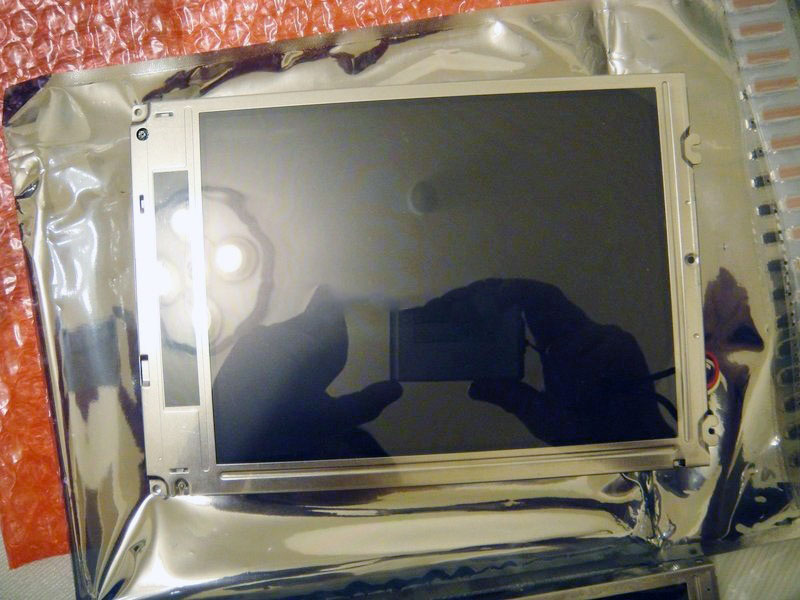
The is built upon a TFT-LCD (Thin-Film Transistor Liquid Crystal Display) platform, a technology renowned for delivering stable, high-quality images. The "8.4 inch" designation refers to its diagonal screen measurement, offering a substantial viewing area within a compact form factor. Its native resolution is a defining characteristic, typically 800 x 600 pixels (SVGA), which provides a sharp pixel density suitable for displaying detailed graphics and user interfaces without excessive scaling.
The module's 300 cd/m² luminance level is a critical spec. This brightness ensures excellent readability in a variety of ambient lighting conditions, from dimly lit control rooms to environments with moderate overhead lighting. It strikes a balance between power consumption and visibility, avoiding the excess of consumer-grade screens while guaranteeing clarity. Furthermore, the panel incorporates a standard RGB stripe arrangement and supports a high color depth, enabling accurate color reproduction essential for diagnostic or monitoring equipment.
Interface and Signal Integration
Integration is paramount in embedded design, and the LQ084V1DG21 is typically designed with an LVDS (Low-Voltage Differential Signaling) interface. This interface is a key to its robustness in industrial settings. LVDS transmits data using differential pairs, which are highly resistant to electromagnetic interference (EMI)—a common challenge in environments crowded with motors, power supplies, and other electronic noise.
This noise immunity ensures a clean, stable signal transmission from the system's controller board to the display itself, preventing flicker, ghosting, or data corruption. The use of LVDS also allows for longer cable runs between the controller and the panel compared to older TTL interfaces, granting designers greater flexibility in physical product layout. Understanding this interface is crucial for engineers to correctly source compatible controller boards and design reliable connection schemes.
Optical Performance and Enhancement Options
The optical stack of the display is where user experience is fundamentally shaped. The standard 300 cd/m² brightness is often complemented by a contrast ratio that defines the depth between blacks and whites, crucial for text legibility and image detail. The module's viewing angles—both horizontal and vertical—are engineered to be wide, ensuring the display content remains visible even when viewed from off-axis positions, a necessity for multi-operator stations or panels mounted in enclosures.
Manufacturers often offer this panel with various optical enhancement options. These can include anti-glare (AG) surface treatments to diffuse ambient light reflections, significantly improving readability under bright lights. For touch-integrated applications, optically bonded capacitive or resistive touchscreens can be added, reducing parallax error and enhancing durability. The choice of backlight (often LED-based) also influences color temperature and longevity, with options for high-reliability LEDs in critical applications.
Mechanical Design and Environmental Robustness
Beyond the screen image, the physical construction of the LQ084V1DG21 module dictates its survival in challenging operating conditions. The module is housed in a rigid metal frame, providing structural integrity and acting as a shield against physical stress and EMI. The precise dimensions and mounting hole patterns are standardized, allowing for straightforward integration into chassis and enclosures.
This robustness extends to environmental specifications. While exact ratings depend on the manufacturer's build, such panels are commonly designed to operate reliably across a wide temperature range (e.g., -20°C to 70°C for the operating environment). This makes them suitable for unheated industrial warehouses, outdoor kiosks with climate control, or medical devices that undergo sterilization cycles. Resistance to vibration and shock is also a key consideration for mobile or heavy machinery applications.
Primary Application Domains
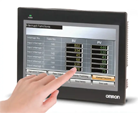
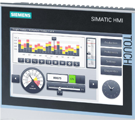
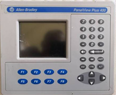
The specific blend of size, brightness, and ruggedness of the LQ084V1DG21 targets it squarely at professional and industrial markets. In industrial automation, it serves as the human-machine interface (HMI) for PLCs, CNC machine controls, and factory floor monitoring systems, where reliability is paramount. The medical device field utilizes this display in patient monitoring equipment, diagnostic instruments, and surgical tools, valuing its consistent performance and clarity.
Other significant domains include transportation and logistics (e.g., fleet management terminals, avionics displays), test and measurement equipment, and point-of-sale (POS) systems in demanding retail or hospitality environments. In each case, the panel is chosen not for flashy features but for its predictable performance, long-term availability, and ability to function as a dependable window into complex systems.
Sourcing, Customization, and Lifecycle Considerations
For product developers, sourcing the LQ084V1DG21 involves engaging with specialized display distributors or module integrators. It is vital to confirm not just the core specs but also the revision of the panel and its exact mechanical drawings. Lead times and minimum order quantities can vary, and establishing a relationship with a reliable supplier is crucial for production planning.
Customization is a key service offered by integrators. This can range from adding a specific touch technology, applying optical bonding, and integrating a custom driver board, to providing fully tested display subsystems. Furthermore, understanding the product's lifecycle status is essential. As an industrial-grade component, it typically enjoys a longer manufacturing lifespan than consumer panels, but planning for eventual end-of-life (EOL) and identifying compatible alternative or successor models is a critical part of risk management for long-term product support.

FAQs: LQ084V1DG21 8.4" Display Module
Q1: What is the primary interface of the LQ084V1DG21?A1: It typically uses an LVDS (Low-Voltage Differential Signaling) interface for robust, noise-resistant data transmission.
Q2: Is 300 cd/m² bright enough for outdoor use?A2: It is suitable for shaded outdoor or bright indoor use. For direct sunlight readability, a higher brightness panel (500+ cd/m²) with an anti-glare treatment is recommended.
Q3: What is the standard resolution of this display?A3: The standard resolution is 800 x 600 pixels (SVGA).
Q4: Can I add a touchscreen to this module?A4: Yes, it is commonly available with optional integrated resistive or projected capacitive (PCAP) touchscreens.
Q5: What is the typical operating temperature range?A5: Operating ranges vary by manufacturer but are often between -20°C to +70°C, suitable for industrial environments.
Q6: Is this a consumer-grade or industrial-grade panel?A6: The LQ084V1DG21 is an industrial-grade display module, designed for long-term reliability and stability.
Q7: What does the "LQ084V1DG21" part number signify?A7: It is the manufacturer's (often Sharp or a compatible manufacturer) model number specifying the 8.4-inch size, specific revision, and core technology.
Q8: What type of backlight does it use?A8: It uses a long-life LED backlight system, which offers good efficiency and color performance.
Q9: Where is this display commonly used?A9: Common applications include industrial HMIs, medical devices, test equipment, transportation systems, and POS terminals.
Q10: How do I drive this display from my microcontroller or SBC?A10: You will need an LVDS-compatible controller board (often called an LCD driver board) that converts your source signal (e.g., HDMI, VGA, or LVDS from an SBC) to the panel's native LVDS format and voltage.
Conclusion
The LQ084V1DG21 8.4-inch LCD panel is far more than a simple glass component; it is a meticulously engineered subsystem designed for mission-critical visibility. Its value proposition lies in the harmonious balance of its SVGA resolution, 300 cd/m² brightness, rugged LVDS interface, and industrial-grade construction. These attributes coalesce to create a display solution that prioritizes reliability, clarity, and longevity over fleeting consumer trends.
For engineers and product managers, selecting this module represents a strategic decision to build device integrity from the screen up. By understanding its technical nuances, integration requirements, and ideal application contexts, developers can leverage its strengths to create robust and user-friendly interfaces for the most demanding professional environments. In a world reliant on clear data presentation, the LQ084V1DG21 stands as a dependable and proven visual workhorse.