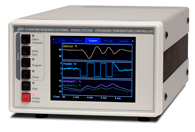
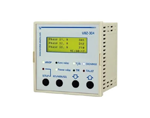
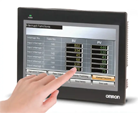
In the intricate world of electronic components, the display panel often serves as the critical interface between machine and user. Among the myriad of options available to engineers and product designers, the
5.1-inch LMG7420PLFC-X LCD module stands out as a specialized solution for applications demanding a compact yet highly legible screen. Characterized by its
240 x 128 pixel resolution, this monochrome or grayscale display represents a specific class of LCD technology tailored for embedded systems where power efficiency, reliability, and clear data presentation are paramount.
This article delves into a comprehensive analysis of the LMG7420PLFC-X module. We will move beyond basic datasheet specifications to explore its underlying technology, the unique advantages conferred by its particular form factor and resolution, and its ideal application landscapes. Furthermore, we will provide practical insights into integration considerations and contrast it with alternative display technologies, equipping developers and procurement specialists with the knowledge to make informed decisions for their next-generation devices.

Decoding the Specifications: The Anatomy of LMG7420PLFC-X
The identifier "LMG7420PLFC-X" itself is a key to understanding the module's core attributes. The 5.1-inch diagonal screen size occupies a strategic niche—larger than minimalist indicator displays yet compact enough for portable or space-constrained equipment. The 240 x 128 pixel format is not arbitrary; it provides a sufficient canvas for multiple lines of text, detailed custom graphics, and rudimentary data visualization without the complexity and cost overhead of a full high-definition panel.
Typically built on STN (Super Twisted Nematic) or similar passive matrix technology, this module offers a high-contrast viewing experience. Key specifications often include a wide operating temperature range, making it suitable for industrial environments, and a low power consumption profile critical for battery-operated devices. The "FPC" in the part number suggests a Flexible Printed Circuit interface, which simplifies connection and offers design flexibility for mounting. Understanding these fundamental specs is the first step in evaluating its fit for a project.
The Strategic Advantage of 240x128 Resolution in Embedded Systems
Why choose 240x128? This resolution strikes an optimal balance between information density and system resource management. For devices that primarily communicate through text, menus, and simple graphics—such as medical monitors, test equipment, industrial controllers, or point-of-sale terminals—this pixel count is more than adequate. It allows for displaying 8-12 lines of readable font simultaneously, alongside status icons or bar graphs.
From a system architecture perspective, a lower resolution like 240x128 imposes a significantly lighter load on the microcontroller unit (MCU). It requires less frame buffer memory, a slower communication interface (like SPI or 8-bit parallel), and less processing power for screen refreshes. This translates directly into reduced Bill of Materials (BOM) cost, lower overall power draw, and a simpler, more robust firmware implementation compared to driving a higher-resolution TFT.
Core Technology and Viewing Performance Characteristics
The LMG7420PLFC-X likely employs a passive matrix LCD structure. Unlike active-matrix TFTs where each pixel has a transistor, passive matrices use a grid of rows and columns. This technology is inherently cost-effective and power-efficient for moderate-resolution displays. To enhance viewing angles and contrast, modules like this often incorporate STN, FSTN, or VA (Vertically Aligned) liquid crystal modes, which provide a sharper, more stable image than basic TN panels.
Viewing performance is crucial. This module typically offers a high contrast ratio, ensuring text appears crisp against the background. Its wide operating temperature range (e.g., -20°C to +70°C) ensures reliable performance in non-climate-controlled settings. Furthermore, it usually features a stable response time suitable for static or slowly updating content, with minimal ghosting. The inclusion of an LED backlight (often side-lit) ensures readability in low-light conditions, with brightness and uniformity being key quality indicators.

Ideal Application Landscapes and Use Cases
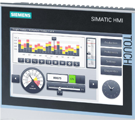
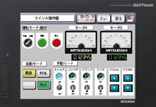
The 5.1-inch 240x128 panel finds its true calling in specific vertical markets where functionality trumps flashy visuals. In the industrial automation sector, it is perfect for Human-Machine Interface (HMI) panels on PLCs, sensor readout units, and control systems for machinery, displaying parameters, logs, and diagnostic data reliably under harsh conditions.
Medical and laboratory devices form another critical application area, where the display is used in portable diagnostic equipment, patient monitors, and instrument panels, prioritizing clarity and fail-safe operation. Additionally, it serves well in telecommunications infrastructure (equipment status displays), transportation (on-board information systems), and consumer appliances requiring advanced control interfaces, such as high-end coffee machines or HVAC system controllers. Its utility is defined by the need to present structured data clearly and consistently.
Integration Essentials: Interface, Power, and Mechanical Considerations
Successfully integrating the LMG7420PLFC-X requires attention to several technical facets. The interface protocol (e.g., 6800/8080-series parallel or Serial Peripheral Interface) must be matched to the host MCU's capabilities. Designers must allocate sufficient GPIO pins and ensure the driver IC is supported by their chosen software libraries or have the resources to develop low-level drivers.
Power supply design is critical. The LCD logic and backlight often require separate voltage rails (e.g., 3.3V for logic, 5V or higher for the LED backlight). Implementing PWM (Pulse Width Modulation) control for the backlight allows for adjustable brightness and further power savings. Mechanically, the FPC connector's placement dictates the module's orientation within the enclosure. Designers must also account for the bezel area and ensure proper mounting to avoid stress on the glass panel, considering factors like shock and vibration in the end-use environment.
Comparative Analysis: LMG7420PLFC-X vs. Alternative Display Technologies
Positioning the LMG7420PLFC-X against alternatives clarifies its value proposition. Compared to a graphic OLED display of similar size, the LCD module typically offers a longer lifespan, no risk of burn-in, better sunlight readability (with a transmissive design), and a lower cost, albeit with poorer contrast and a requirement for a backlight. Against a higher-resolution TFT-LCD (e.g., 480x272), the 240x128 panel wins on cost, power efficiency, and MCU resource requirements, but loses in color capability and graphical fidelity.
The most direct competitors are other monochrome LCDs in similar sizes but with different resolutions or technologies. A 128x64 pixel display is cheaper and simpler but shows far less information. A segment-based or character LCD is even more limited in what it can display. Therefore, the LMG7420PLFC-X occupies a strategic "sweet spot," offering substantial information capacity without triggering the exponential cost and complexity increase associated with full graphic color TFTs.
Frequently Asked Questions (FAQs)
1. What does "LMG7420PLFC-X" signify?It is a model number indicating a 5.1-inch LCD module with a 240x128 resolution, likely using an FPC (Flexible Printed Circuit) connector.
2. Is this a color or monochrome display?This is typically a monochrome (black/white) or grayscale passive matrix LCD module.
3. What is the typical interface for this module?Common interfaces include parallel (6800/8080-series) or serial (SPI), depending on the specific driver IC used.
4. What are the main advantages of this display?Key advantages are excellent readability for text/data, low power consumption, wide operating temperature range, reliability, and cost-effectiveness for embedded systems.
5. What microcontroller is best suited for it?Most mid-range MCUs (ARM Cortex-M, PIC, AVR) with sufficient GPIO pins and memory for the frame buffer are suitable, especially those with a built-in LCD controller or flexible external bus interface.
6. Can the backlight brightness be adjusted?Yes, the LED backlight brightness can usually be controlled via PWM (Pulse Width Modulation) to conserve power or adapt to ambient light.
7. What is the operating temperature range?It varies by manufacturer but is commonly in the range of -20°C to +70°C for standard models, with extended ranges available.
8. Is touch screen functionality available?The standard module is a display-only panel. Resistive or capacitive touch panels can often be added as an overlay for a complete touch solution.
9. How does it compare to a TFT display?It consumes less power, is cheaper, and is easier to interface but lacks color capability and high refresh rates suitable for video.
10. Where can I find the datasheet and pinout?Datasheets are available from authorized distributors or manufacturers of the LMG7420PLFC-X module. The pinout is defined within the datasheet.
Conclusion
The 5.1-inch LMG7420PLFC-X LCD module is far more than a simple component listing; it represents a carefully engineered solution for a specific class of electronic devices. Its 240 x 128 pixel resolution on a 5.1-inch canvas creates an optimal platform for data-centric interfaces, balancing information capacity with system efficiency. As we have explored, its strengths in reliability, power economy, and environmental robustness make it an indispensable choice for industrial, medical, and embedded applications where clarity and durability are non-negotiable.
For engineers and product managers, selecting this display is a strategic decision that prioritizes functional performance over aesthetic flair. It enables the creation of devices that communicate effectively with users while maintaining lean hardware architecture and cost controls. In an era of increasingly complex technology, the enduring value of such a focused, reliable, and high-utility display module is unequivocally clear.