




















In the intricate ecosystem of industrial and commercial display solutions, specific components become the unsung heroes behind reliable performance. The G150XTN03.4, a 15-inch LCD display module manufactured by AU Optronics (AUO), stands as a prime example. This module is not a consumer-grade monitor but a core engineering component designed for integration into a wide array of specialized equipment. Its specifications and construction speak directly to the needs of B2B applications where longevity, stability, and visual clarity under demanding conditions are non-negotiable.
This article delves into a comprehensive analysis of the AUO G150XTN03.4. We will move beyond basic datasheet parameters to explore its technical architecture, the rationale behind its design choices, and its practical implications for engineers, product designers, and procurement specialists. Understanding this module's strengths and optimal use cases is crucial for making informed decisions in product development, ensuring system compatibility, and ultimately achieving a superior end-user experience in the final application.

Technical Architecture and Core Specifications
The G150XTN03.4 is built upon a Twisted Nematic (TN) panel with a resolution of 1024 x 768 (XGA). This 4:3 aspect ratio is a deliberate choice, catering to legacy systems, industrial control interfaces, and medical devices where screen real estate for multiple data windows is prioritized over wide-screen media consumption. The module features a landscape orientation and uses a standard LVDS (Low-Voltage Differential Signaling) interface, a robust and widely adopted standard for transmitting high-speed video data with minimal noise interference.
Key performance metrics include a brightness of 300 cd/m², ensuring readability in moderately lit environments, and a contrast ratio of 500:1. Its viewing angles are typical for TN technology: 80/80/70/70 degrees (Left/Right/Up/Down), indicating its primary use in applications where the user is positioned directly in front of the display. The inclusion of a CCFL (Cold Cathode Fluorescent Lamp) backlight system points to its design era and offers a specific profile for brightness uniformity and color temperature. Understanding this foundational architecture is the first step in assessing its fit for any given project.
The Design Philosophy: Durability and Integration
AUO engineered the G150XTN03.4 with a clear focus on durability and ease of integration. The module is designed as a drop-in component for Original Equipment Manufacturers (OEMs). Its mechanical outline, mounting hole positions, and connector placement are precisely defined, allowing for streamlined assembly into kiosks, point-of-sale systems, or factory automation consoles. The use of a metal bezel and sturdy construction mitigates risks from vibration and physical stress common in industrial settings.
Furthermore, the design accounts for long-term operation. The CCFL backlight, while less energy-efficient than modern LED alternatives, was known for its stable output and long lifespan when driven by a properly designed inverter. The panel's operating temperature range, typically from 0°C to 50°C, underscores its suitability for controlled indoor environments. This philosophy results in a module that prioritizes reliability and mechanical predictability over cutting-edge consumer display features.
Primary Application Domains and Use Cases
The specific characteristics of the G150XTN03.4 make it ideal for several key vertical markets. In industrial automation, it serves as the human-machine interface (HMI) for PLCs, CNC machine controls, and test equipment, where the XGA resolution provides ample space for numerical readouts and control schematics. The medical device field utilizes such modules in diagnostic equipment like ultrasound or patient monitors, where color accuracy for certain indicators is supported by the 262K color depth.
Additionally, it finds a home in point-of-sale (POS) terminals and self-service kiosks for retail and hospitality. In these applications, the module's reliability and standard interface simplify maintenance and repair. Its use in transportation and logistics for fleet management systems is also common, where the display must consistently present data without failure. Recognizing these domains helps target the module's lifecycle and sourcing strategy.
Comparison with Modern Display Alternatives
Contrasting the G150XTN03.4 with contemporary modules highlights its niche. Modern panels predominantly feature LED backlighting, offering superior energy efficiency, thinner profiles, and a wider color gamut. Advanced technologies like IPS (In-Plane Switching) provide viewing angles exceeding 170 degrees, a stark contrast to the TN panel's limited off-axis viewing. Resolutions have also evolved, with Full HD (1920x1080) now being a common baseline.
However, this comparison is not about obsolescence but about application-specific suitability. The G150XTN03.4 excels in cost-sensitive, long-lifecycle projects where system compatibility is paramount. Upgrading an entire product line to a new display standard often requires costly redesigns of driver electronics, housings, and firmware. For sustaining legacy products or in markets where ultra-wide viewing is unnecessary, this module remains a technically sound and economically rational choice.
Critical Considerations for System Integration
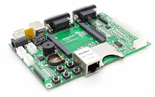
Successfully integrating the G150XTN03.4 requires attention to several technical details. First, the LVDS interface necessitates a compatible controller board or graphics chip that can output the correct signal timing. Designers must carefully match the pinout and power requirements. Second, the CCFL backlight requires an external inverter circuit to provide the high-voltage AC needed to illuminate the lamps; this adds to the bill of materials and requires careful electromagnetic compatibility (EMC) design.
Third, thermal management must be considered, as the module and its inverter generate heat during operation. Adequate ventilation in the end-product enclosure is crucial for maintaining performance and longevity. Finally, sourcing a compatible LCD controller board or designing a custom one is a key step, as this board translates video signals from a source (like a single-board computer) into the precise LVDS format the module expects.
Sourcing, Lifecycle, and Future-Proofing
As a mature product, the G150XTN03.4 may be in a sustained production or managed sunset phase. Engaging with authorized distributors or specialized display brokers is essential to avoid counterfeit components. It is critical to verify the module's revision status and factory origin. For long-term projects, understanding AUO's product lifecycle roadmap and securing a Last-Time Buy (LTB) commitment or identifying a reliable aftermarket supplier is a necessary part of risk management.
Future-proofing involves evaluating potential successor modules from AUO or other manufacturers that share the same form factor and electrical interface, facilitating a drop-in replacement. Alternatively, designers may plan for a more significant upgrade path to an LED-backlit module, factoring in the necessary changes to power supply and controller design. Strategic inventory planning and clear communication with supply chain partners are vital for projects dependent on this specific display technology.
FAQs: G150XTN03.4 Display Module
Q1: What is the screen size and resolution of the G150XTN03.4?A: It is a 15-inch diagonal display with an XGA resolution of 1024 x 768 pixels.
Q2: What type of panel technology does it use?A: It uses a Twisted Nematic (TN) LCD panel.
Q3: What is the interface for connecting this display?A: It uses a standard LVDS (Low-Voltage Differential Signaling) interface.
Q4: What kind of backlight does it have?A: It is equipped with a CCFL (Cold Cathode Fluorescent Lamp) backlight system.
Q5: Is this module suitable for outdoor use?A: No, its standard brightness and temperature range are designed for controlled indoor environments.
Q6: What are its typical applications?A: Common uses include industrial HMIs, medical monitors, POS systems, and self-service kiosks.
Q7: How does it compare to modern LED-backlit displays?A: It is less energy-efficient and thicker but may offer cost and compatibility advantages for legacy systems.
Q8: What is crucial for integrating this module into a product?A: You need an LVDS signal source and an external inverter board to power the CCFL backlight.
Q9: Where can I source the G150XTN03.4?A: Through authorized electronic component distributors or specialized display module suppliers.
Q10: Is this module still in production?A: Its status should be verified directly with AUO or distributors, as it is a mature product that may be nearing end-of-life.
Conclusion
The AUO G150XTN03.4 15-inch LCD module exemplifies a purpose-built industrial component. Its value lies not in competing with the latest consumer display trends but in delivering proven, reliable performance within a well-defined set of parameters. Its XGA resolution, TN panel, LVDS interface, and CCFL backlight form a coherent technical package tailored for integration into durable equipment across industrial, medical, and commercial sectors.
For engineers and product managers, the key takeaway is the importance of application-driven selection. This module remains a viable and often optimal choice for sustaining existing products, for cost-sensitive new designs in stable environments, or where a standard form factor is mandatory. A deep understanding of its architecture, integration requirements, and market lifecycle enables informed decision-making, ensuring display solutions that are not only technically sound but also strategically sustainable for the lifespan of the end product.





