


















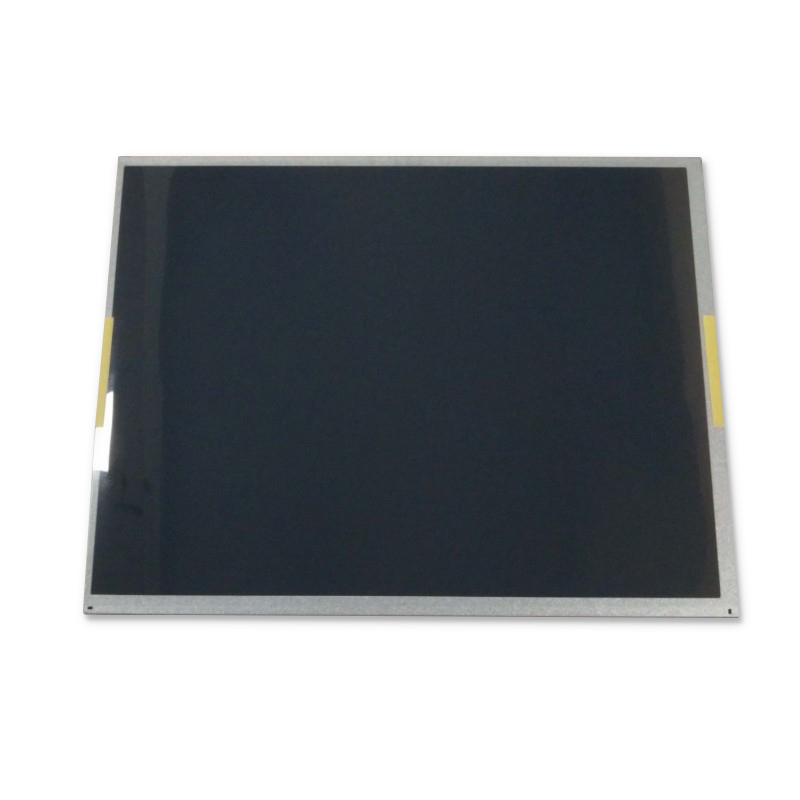
In the intricate ecosystem of electronic displays, specific components serve as the unsung heroes behind countless specialized applications. One such component is the G150XTN03.0, a 15-inch TFT-LCD module (LCM) developed by AUO (AU Optronics). This model, with its 1024(RGB)×768 (XGA) resolution and a-Si (amorphous Silicon) technology backbone, represents a mature yet persistently relevant solution in a market increasingly dominated by high-resolution panels. This article delves beyond the basic datasheet to explore the G150XTN03.0's defining characteristics, its underlying technological architecture, and the precise market niches where its specific combination of performance, reliability, and cost-effectiveness continues to make it an indispensable choice. We will analyze its role in industrial, medical, and point-of-sale systems, examining why this particular display module remains a benchmark for stability and longevity in demanding operational environments.
Decoding the Specifications: The Anatomy of the G150XTN03.0
The G150XTN03.0 is defined by a set of core specifications that dictate its application suitability. Its 15-inch diagonal screen size, measured diagonally, provides a substantial viewing area without excessive bulk. The native resolution of 1024 horizontal pixels (with each pixel comprising Red, Green, and Blue sub-pixels) by 768 vertical pixels results in an XGA (Extended Graphics Array) format. This yields a pixel pitch that balances detail with readability from typical viewing distances. The module employs a twisted nematic (TN) type panel, known for its fast response times—a critical factor in reducing motion blur. It typically features a standard RGB interface for signal input, supporting a wide range of compatible controllers. Understanding these fundamental specs is the first step in appreciating why this module isn't designed for consumer media consumption but rather for functional, long-duration use where clarity and consistency are paramount.
The a-Si TFT-LCD Technology: A Foundation of Reliability
At the heart of the G150XTN03.0 lies amorphous Silicon (a-Si) Thin-Film Transistor (TFT) technology. This mature manufacturing process is the workhorse of the LCD industry, prized for its high yield rates, stability, and cost-effectiveness. Each pixel on the display is controlled by its own TFT, acting as a switch to precisely manage the liquid crystal alignment and light transmission. The a-Si process excels in producing panels with excellent uniformity and long-term operational stability, which are non-negotiable requirements in commercial and industrial settings. While newer technologies like Low-Temperature Polycrystalline Silicon (LTPS) offer higher pixel density or Oxide TFTs provide better efficiency, a-Si remains the optimal choice for standard-resolution, mid-sized panels where proven reliability and a favorable total cost of ownership are the primary drivers.
Defining the Application Ecosystem: Where This LCM Excels
The G150XTN03.0 is not a general-purpose consumer display. Its value proposition is perfectly aligned with specific B2B and embedded application sectors. Key verticals include:
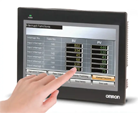
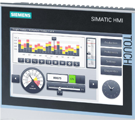
Industrial Human-Machine Interfaces (HMIs): In factory automation and control rooms, this module provides clear, reliable visualization of machinery status and process data, capable of operating continuously in controlled environments.
Medical Monitoring Equipment: For devices like patient monitors or diagnostic instruments, the display's stability, consistent performance, and ability to present critical data without distortion are essential.
Point-of-Sale (POS) and Kiosk Systems: Retail and hospitality terminals benefit from its durability and clear legibility for transaction information and interactive menus.
Transportation and Fleet Management: Used in vehicle-mounted systems for logistics and public transit information displays.
In these contexts, the XGA resolution is often sufficient, and the module's design prioritizes longevity over cutting-edge visual specs.
Integration Considerations: The LCM in System Design
Integrating the G150XTN03.0 into an end-product requires careful engineering consideration. Designers must account for its physical footprint, mounting provisions, and thermal management to ensure optimal performance and lifespan. Electrically, the interface must be correctly matched, and the power supply must be clean and stable to avoid image artifacts. Furthermore, the selection of a compatible backlight unit (BLU)—typically CCFL or LED—is crucial, as it directly impacts brightness, uniformity, power consumption, and operational lifetime. Engineers value this module for its well-documented parameters and predictable behavior, which streamline the integration process and reduce development risks for OEMs building specialized equipment.
The Longevity and Supply Chain Advantage
In the industrial and medical sectors, product lifecycles can span a decade or more. A critical advantage of mature modules like the G150XTN03.0 is their extended manufacturing lifespan and stable supply chain. Unlike consumer panels that may be phased out within a year, these industrial-grade components are often available for production over many years. This allows OEMs to design a product without the constant fear of a key display component becoming obsolete, which would necessitate costly and time-consuming redesigns and re-certifications (especially vital in medical fields). This long-term availability provides immense value in terms of project planning, inventory management, and support for legacy systems in the field.
Comparative Context: Positioning Against Modern Alternatives
It is instructive to position the G150XTN03.0 against contemporary display options. Compared to modern Full HD or 4K consumer panels, it offers lower resolution and potentially narrower viewing angles (characteristic of TN technology). However, this comparison misses the point. Its competitors are other industrial-grade XGA or SVGA modules. Its strengths are its proven a-Si TFT reliability, strong supply chain support from a major manufacturer like AUO, and optimization for 24/7 operation. For applications where high resolution is unnecessary or even undesirable (as it can make small text and icons harder to read), and where reliability trumps all other features, the G150XTN03.0 and its peers remain the superior, cost-effective choice.
FAQs: G150XTN03.0 AUO 15" LCD Module
Q1: What is the resolution of the G150XTN03.0?A1: It has an XGA resolution of 1024 (RGB) x 768 pixels.
Q2: What does "a-Si TFT-LCD" mean?A2: It stands for amorphous Silicon Thin-Film Transistor Liquid Crystal Display, a reliable and cost-effective panel technology.
Q3: What are typical applications for this display?A3: Industrial HMIs, medical monitors, POS/kiosk systems, and transportation information displays.
Q4: What is the screen size?A4: The active area is 15 inches diagonally.
Q5: What type of panel technology does it use?A5: It uses a Twisted Nematic (TN) panel, known for fast response times.
Q6: Is this module suitable for consumer laptops or TVs?A6: No, it is designed for embedded commercial/industrial applications, not consumer multimedia.
Q7: What is the advantage of its mature technology?A7: It offers proven reliability, stability, long-term supply, and a favorable cost of ownership.
Q8: What backlight options are available?A8: It is typically offered with either CCFL or LED backlight units, affecting brightness and power use.
Q9: Why choose this over a higher-resolution panel?A9: For many functional applications, XGA is sufficient, and the module prioritizes longevity, integration ease, and cost.
Q10: Is it suitable for 24/7 continuous operation?A10: Yes, it is engineered for the high duty cycles and reliability required in industrial and medical environments.
The G150XTN03.0 AUO 15" LCD module exemplifies how optimized, purpose-built components deliver enduring value in specialized technological landscapes. Its significance is not rooted in pioneering the latest display trends but in mastering the critical requirements of reliability, stability, and long-term availability for mission-critical systems. In a world captivated by ever-increasing pixel counts, this module serves as a powerful reminder that in industrial, medical, and commercial applications, consistent performance over a decade often outweighs marginal gains in visual specifications. For system designers and engineers, understanding and leveraging the strengths of such components is key to creating robust, maintainable, and successful products that stand the test of time in the real world.





