


















In the intricate world of industrial automation and specialized display solutions, the precise matching of hardware components is not merely a convenience—it is an absolute necessity for system integrity and performance. At the heart of many robust Mitsubishi control systems and human-machine interfaces (HMIs) lies a critical component: the AA141TC01. This 14.1-inch TFT LCD display module, with its 1280x800 (WXGA) resolution and LVDS interface, represents a cornerstone of reliable visual communication in demanding environments.
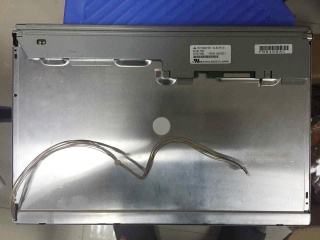

This article delves into a comprehensive technical and practical analysis of the AA141TC01 screen. We will move beyond basic specifications to explore its defining characteristics, the critical role of its LVDS technology, and its seamless integration within the Mitsubishi ecosystem. Furthermore, we will examine its ideal applications, provide guidance on sourcing and compatibility, and project its relevance in the face of evolving display technologies. Our goal is to provide engineers, procurement specialists, and technical decision-makers with the in-depth knowledge required to understand, specify, and leverage this key display module effectively.
Defining the AA141TC01: Core Specifications and Physical Profile
Physically, the module is designed as a replacement component, adhering to specific form factors and mounting hole patterns to fit seamlessly into existing Mitsubishi chassis and enclosures. It includes a built-in CCFL or LED backlight unit (BLU), with the inverter or driver circuitry often being part of the module's assembly. Understanding these physical and optical specifications is the first step in verifying its compatibility with a target system, as even minor deviations in dimensions or connector placement can prevent successful installation.

The Critical Role of LVDS Interface Technology
LVDS allows for the high-speed transmission of the display's substantial pixel data (over 1 million pixels per frame at 60Hz) over a relatively simple, low-power cable. This results in a cleaner signal, reduced electromagnetic radiation from the cable itself, and lower power consumption compared to alternatives. For the AA141TC01, the LVDS interface ensures that the high-fidelity digital image from the system's graphics controller arrives at the panel intact, without corruption or flicker, guaranteeing a stable and reliable display output.
Integration within the Mitsubishi Ecosystem
Successful integration requires more than just physical compatibility. The system's graphics controller, power supply, and firmware are calibrated to work with the specific timing characteristics, power sequencing, and EDID data of the original AA141TC01 module. Therefore, when procuring a replacement, ensuring an exact match in the interface pinout, voltage requirements, and timing is crucial to avoid boot failures, image distortion, or permanent hardware damage.
Primary Applications and Industrial Use Cases
HMI Display Replacement: The most common use is reviving Mitsubishi GOT terminals on factory floors, in manufacturing cells, or within process control rooms.
CNC Machine Interfaces: Mitsubishi CNC systems often utilize these displays for operator control, program management, and real-time machining data visualization.
Test and Measurement Equipment: Specialized industrial equipment relying on Mitsubishi computing cores use this module for data output and user interaction.
Legacy System Maintenance: For critical infrastructure where upgrading the entire HMI is cost-prohibitive or disruptive, replacing the AA141TC01 display module extends the operational life of the valuable control system.
Sourcing, Compatibility, and Verification Guidelines
Exact Part Number Matching: Confirm the full part number (AA141TC01) and any suffix codes against the failed unit or the host system's manual.
Interface Connector Audit: Visually match the number of pins and the connector type on the LVDS cable to the new module.
Technical Support: Source from suppliers who provide clear compatibility lists and technical support for integration issues.
It is also vital to consider the condition of related components, such as the LVDS ribbon cable and the backlight inverter, during a replacement procedure, as these can also be points of failure.
The Future of Industrial Displays and Legacy Support
Furthermore, the principles embodied by the AA141TC01—ruggedness, standardized interfaces like LVDS (and its successors like eDP), and precise mechanical design—continue to inform the development of new industrial displays. Understanding this module provides insight into the fundamental requirements that any display must meet to survive and perform in challenging industrial environments.
FAQs: AA141TC01 Display Module
Q10: Is this technology becoming obsolete?A10: While newer interfaces exist, the LVDS standard and this specific module remain critically important for maintaining the vast installed base of Mitsubishi industrial systems.
Conclusion
The AA141TC01 LVDS display module exemplifies the engineered precision required in industrial technology. Far more than just a screen, it is a system-critical component whose specifications—from its WXGA resolution and 14.1-inch size to its robust LVDS interface—are meticulously tailored for integration within Mitsubishi's control and HMI platforms. Its value lies in enabling the longevity and reliability of automation systems that form the backbone of modern manufacturing and process industries.





