





















In the intricate world of industrial automation and specialized machinery, the reliability of every component is paramount. Among these critical parts, the display module serves as the indispensable interface between complex systems and their human operators. This article delves into a specific and vital component: the AA150XT11 Display Module. Designed as a 15-inch LCD solution with a resolution of 1024x768 (XGA), this module is engineered explicitly for integration into Mitsubishi systems.

We will explore not only its core technical specifications but also its pivotal role within industrial environments. Beyond simple part identification, this analysis will cover the module's compatibility nuances, its advantages over generic displays, and the critical considerations for sourcing, installation, and maintenance. Whether you are a maintenance engineer, a system integrator, or a procurement specialist, understanding the depth of this component's functionality and application is key to ensuring operational continuity and system integrity in demanding Mitsubishi-controlled settings.
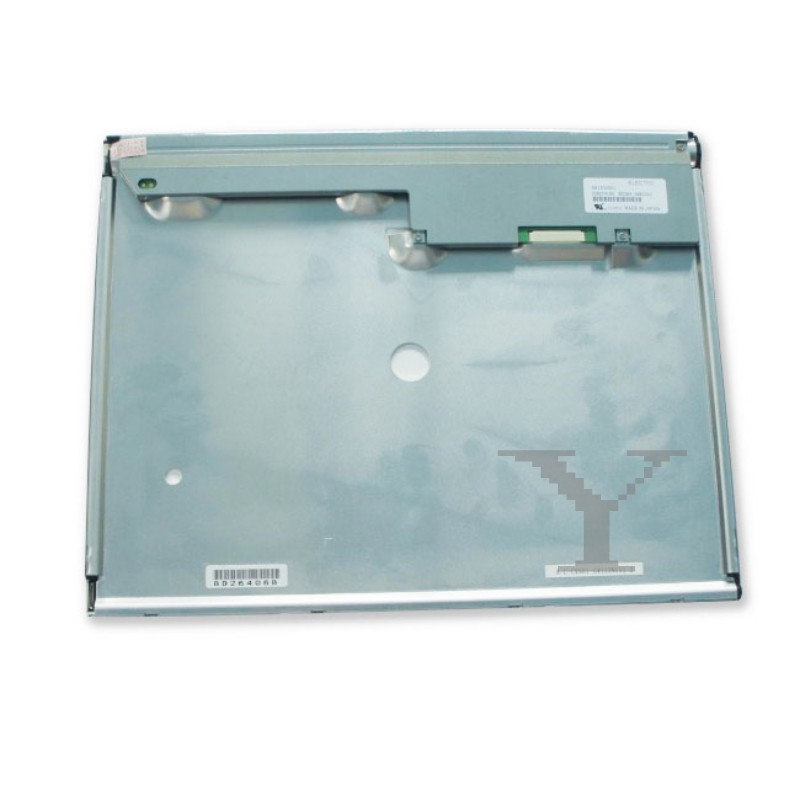
Decoding the AA150XT11: Core Specifications and Industrial Design
Typically employing a High-Brightness CCFL or LED backlight, the module is designed to remain readable in varied lighting conditions common in factories—from dim control rooms to areas with high ambient light. The interface is usually a dedicated LVDS (Low-Voltage Differential Signaling) connector, ensuring a clean, high-integrity digital signal transmission from the Mitsubishi controller. Crucially, its design prioritizes long-term availability and mechanical compatibility with Mitsubishi chassis, featuring robust mounting points and often conforming to specific sealing standards to resist dust and particulate ingress.
The Critical Role in Mitsubishi System Ecosystems
Using an incompatible display can lead to image distortion, scaling issues, or communication faults, potentially obscuring crucial data. The AA150XT11 ensures that graphical elements, text, and touch inputs (if equipped) align perfectly with the software's expectations. This seamless integration minimizes operator error and training time, as the interface behaves predictably. In essence, it translates the machine's digital state into reliable, actionable visual information, forming the backbone of effective human-machine interaction in precision environments.
Advantages Over Commercial-Grade Display Alternatives
Second is environmental robustness. They are engineered to withstand higher levels of vibration, electrical noise from heavy machinery, and fluctuations in power quality. Third is guaranteed compatibility. As outlined, the electrical signaling, power requirements, and physical form factor are guaranteed to work with the host system, eliminating guesswork and configuration problems. Finally, there is supply chain consistency. Industrial components are often sourced from a stable supply chain to ensure identical performance and form factor over long production cycles, which is essential for maintaining and repairing legacy systems that may remain in service for decades.
Key Considerations for Sourcing and Procurement
Verification of Part Number: Ensure the exact part number (AA150XT11) matches, including any suffix letters.
Condition and Warranty: Clarify if the unit is new, refurbished, or pulled from working systems, and understand the warranty terms.
Technical Documentation: Reliable suppliers provide datasheets, pinout diagrams, and compatibility notes.
Connector and Mounting Audit: Compare photos or specs of the connector type, pin count, and mounting hole pattern with your failed unit.
Supply Traceability: Inquire about the origin to avoid counterfeit components that may fail prematurely or cause system damage.
Installation, Calibration, and Integration Protocols
Upon first power-up, calibration may be necessary, especially if the module includes a touch screen overlay. This process is typically initiated through the Mitsubishi system's own configuration or maintenance menus, not through the display itself. Integration verification involves checking for a stable, flicker-free image across the entire screen, ensuring all pixels are functional, and confirming that touch alignment (if applicable) is accurate. Any color imbalance or ghosting should be addressed immediately, as it may indicate an incompatibility or fault.
Maintenance, Troubleshooting, and End-of-Life Planning
Proactive maintenance for the AA150XT11 involves regular cleaning of the screen surface with appropriate, non-abrasive materials and monitoring the backlight for dimming or color shift, which often signals impending failure. Common failure modes include a complete loss of backlight (where a faint image may still be visible with a flashlight), horizontal/vertical lines, or a blank screen.
Troubleshooting starts with the simplest checks: verifying power and reseating the LVDS and power cables. Comparing the symptoms with the host system's error codes can provide direction. Given the complexity of LCD repair, module-level replacement is often the most cost-effective solution. For long-term system sustainability, developing an end-of-life procurement strategy is wise. This involves identifying current reliable suppliers, considering the purchase of a sparing unit for critical machinery, and staying informed about potential form-fit-function replacements or upgrade paths that Mitsubishi may offer for the entire control system.
Frequently Asked Questions (FAQs)
Q10: Should I buy a refurbished unit?A10: Refurbished units from trusted specialists can be a cost-effective and reliable option, provided they come with a warranty and have been properly tested.
Conclusion
The AA150XT11 15-inch display module exemplifies the critical importance of purpose-built components in industrial technology. Its value is not encapsulated by its basic specifications alone but is deeply rooted in its guaranteed compatibility, environmental resilience, and sustained performance within the Mitsubishi ecosystem. As the vital conduit for information between machine and operator, its reliability directly impacts productivity, safety, and diagnostic capability.





