

















In the intricate world of industrial automation and specialized display solutions, finding the exact replacement component is more than a purchase—it's a critical maintenance operation. At the heart of many Mitsubishi Electric control systems and HMI units lies a specific, often mission-critical part: the AA070ME13 7-inch panel LCD. This isn't a generic consumer screen; it is a precisely engineered display module designed to meet the rigorous demands of factory floors, machinery interfaces, and control panels where reliability is non-negotiable.
This article delves deep into the AA070ME13, moving beyond a simple part number lookup. We will explore its technical DNA, understand its role within larger systems, and provide a comprehensive guide for engineers, technicians, and procurement specialists. Whether you are tasked with troubleshooting a failing display, managing legacy equipment, or sourcing a compatible replacement, understanding the nuances of this specific panel is essential for ensuring operational continuity and system integrity.

Technical Specifications and Core Architecture
The Mitsubishi AA070ME13 is a 7-inch diagonal TFT-LCD module, a form factor historically common in industrial HMIs and control interfaces. Its core specification typically includes a resolution of 800 x 480 pixels (WVGA), providing a clear and functional display area for data visualization and control elements. The module integrates a CCFL (Cold Cathode Fluorescent Lamp) backlighting system, a technology that offers uniform brightness and a long operational life, albeit with different power and interface characteristics compared to modern LED-backlit units.
Understanding its architecture is key. The panel is not a standalone monitor; it is a display module that requires a compatible controller board (LVDS interface) and power supply to function. The "AA070ME13" designation encompasses the specific LCD glass, backlight unit, and driver circuitry. Its electrical and mechanical specifications—such as voltage input, signal timing, mounting hole patterns, and bezel dimensions—are designed to drop seamlessly into the original Mitsubishi chassis, making genuine or fully compatible replacements vital.
Primary Applications and System Integration
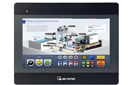
The AA070ME13 was predominantly utilized across a range of Mitsubishi Electric's industrial automation products. Its most common home is within the Mitsubishi GOT (Graphic Operation Terminal) series, such as older models of the GOT1000 line. These are the touch-screen interfaces operators use to interact with PLCs (Programmable Logic Controllers), monitor production lines, input parameters, and diagnose faults.
Beyond standalone GOTs, this display module can be found in specialized control panels, medical equipment interfaces, and other embedded systems where Mitsubishi provided the core display technology. Its role is always interfacial—serving as the critical bridge between complex machine logic and human operators. The failure of this panel doesn't just mean a blank screen; it means a loss of visibility and control over potentially expensive and sensitive industrial processes, underscoring the importance of its reliable function.
Common Failure Modes and Diagnostic Indicators
Like all electro-optical components, the AA070ME13 has predictable failure points. The most prevalent issue is the depletion of the CCFL backlight. Symptoms include a dim display, uneven brightness (often appearing pinkish or with dark patches), or a complete lack of image with only a faint glow visible under certain angles. The backlight inverter, which provides the high voltage to drive the CCFLs, is another common point of failure.
Other failures include physical damage to the LCD glass (cracks, pressure marks), the appearance of dead pixels or horizontal/vertical lines, and issues stemming from the internal driver circuitry. Diagnosing a faulty panel involves systematic elimination: verifying input power and LVDS signal integrity from the main controller, before concluding the module itself is at fault. Understanding these failure modes helps technicians perform accurate root-cause analysis, avoiding unnecessary part replacement.
Sourcing Compatible Replacements and Alternatives
Sourcing a genuine AA070ME13 can be challenging as it transitions from an active to a legacy part. The first avenue should always be authorized Mitsubishi Electric distributors or certified industrial parts suppliers. However, due to obsolescence, the market is also served by specialized refurbishers and compatible module manufacturers.
When evaluating alternatives, compatibility is paramount. A suitable replacement must match not only the physical dimensions and mounting but also the electrical interface (pin-to-pin LVDS), voltage requirements, and backlight type. Some modern alternatives may offer LED backlight conversion kits, which provide longer life and lower power consumption, but these require careful assessment of thermal and electrical compatibility with the host system. Procuring from reputable sources with technical support is crucial to avoid costly integration failures.
Installation Considerations and Best Practices
Replacing the AA070ME13 module is a delicate procedure. Electrostatic discharge (ESD) protection is mandatory throughout the process to prevent damaging the sensitive LCD and driver ICs. Technicians should work on grounded surfaces and use wrist straps. The mechanical disassembly of the HMI unit must be done methodically, often following specific service manuals to avoid damaging ribbon cables, connectors, or the touch panel overlay (if separate).
Once the old module is removed, cleaning the internal area of dust is recommended. When installing the new module, connectors must be aligned perfectly and seated firmly without applying excessive force. Post-installation, a comprehensive functional test of the display, touch functionality (if applicable), and all system controls should be performed before returning the equipment to service. Proper installation extends the lifespan of the replacement and ensures system reliability.
Long-Term Maintenance and Obsolescence Planning
For organizations reliant on equipment using the AA070ME13, proactive management is essential. This involves maintaining a strategic spare parts inventory for critical machines to minimize downtime. Furthermore, tracking the lifecycle status of such components with manufacturers can inform long-term decisions.
Obsolescence planning should be on the radar. As CCFL technology phases out globally, the future availability of drop-in replacements may diminish. This reality pushes organizations to consider broader upgrades, such as migrating to a newer HMI platform entirely, or working with system integrators who can engineer modern display solutions into legacy panels. Documenting the specifics of the display integration within your systems is an invaluable practice for future maintenance or upgrade projects.


Frequently Asked Questions (FAQs)
1. What is the AA070ME13?It is a 7-inch CCFL-backlit TFT-LCD display module used primarily in Mitsubishi industrial HMI and control units.
2. Which Mitsubishi products use this panel?It is commonly found in older Mitsubishi GOT1000 series graphic operation terminals and other embedded control panels.
3. What are the signs of a failing AA070ME13?A dim or unevenly lit screen, a pinkish hue, visible dark spots, or no image while the system powers on are common signs.
4. Can I replace the CCFL backlight myself?While technically possible, it is a highly delicate procedure requiring disassembly of the LCD module and handling of high-voltage components; module replacement is generally safer.
5. Is this panel touch screen?The AA070ME13 is the display module only. Touch functionality is provided by a separate overlay (resistive or analog) in the HMI assembly.
6. Are there direct LED-backlit replacements?Yes, some compatible modules or conversion kits with LED backlights are available, offering longer life, but must be checked for electrical and thermal compatibility.
7. How do I ensure a replacement is compatible?Match the physical dimensions, mounting holes, connector type/pinout (LVDS), voltage, and backlight inverter requirements exactly.
8. Where can I buy a genuine AA070ME13?Through authorized Mitsubishi Electric distributors, certified industrial parts suppliers, or reputable refurbishers specializing in automation components.
9. What is the typical lifespan of this panel?Under normal operating conditions, the CCFL backlight may last 30,000 to 50,000 hours. Lifespan can be shortened by high ambient temperatures or continuous operation.
10. Should I repair or upgrade if my panel fails?For a single failure, a compatible replacement is cost-effective. For multiple failures or systemic obsolescence, consider a full HMI upgrade for modern features and support.
Conclusion
The Mitsubishi AA070ME13 7-inch panel LCD exemplifies the critical yet often overlooked components that form the backbone of industrial interfaces. Its technical design, tailored for specific Mitsubishi systems, means that replacement is not a trivial task of finding any 7-inch screen, but one of precise technical matching. From understanding its CCFL backlight technology to diagnosing its characteristic failure modes, a deep knowledge of this module empowers maintenance teams to make informed, efficient, and cost-effective decisions.
In an era of rapid technological transition, managing legacy components like the AA070ME13 becomes a strategic exercise in balancing immediate repair needs with long-term obsolescence planning. By sourcing wisely, installing meticulously, and planning proactively, organizations can ensure the continued visibility and control of their vital industrial processes, safeguarding productivity and investment for years to come.





