














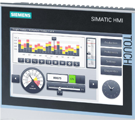

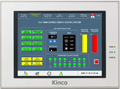
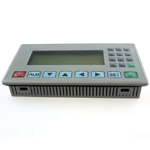




In the intricate world of embedded systems and custom display solutions, the choice of a display module can define the user experience and functionality of a device. Among the myriad of options available, the 7-inch screen AA070MC11 LCD module stands out as a specific and compelling component for engineers, product designers, and procurement specialists. This article delves into a comprehensive analysis of this particular module, characterized by its 800 x 480 pixel resolution (WVGA) and widespread application across industrial, automotive, and consumer interfaces.
Moving beyond basic datasheet specifications, we will explore the technical architecture that gives the AA070MC11 its performance edge. We will investigate its typical interface protocols and power requirements, crucial for system integration. Furthermore, the discussion will extend to its optical characteristics—brightness, contrast, and viewing angles—that determine readability in various environments. By understanding its strengths and ideal use cases, alongside potential limitations, readers will gain the insights needed to evaluate whether this module is the optimal display engine for their next project, ensuring a blend of clarity, reliability, and cost-effectiveness.
Technical Architecture and Core Components
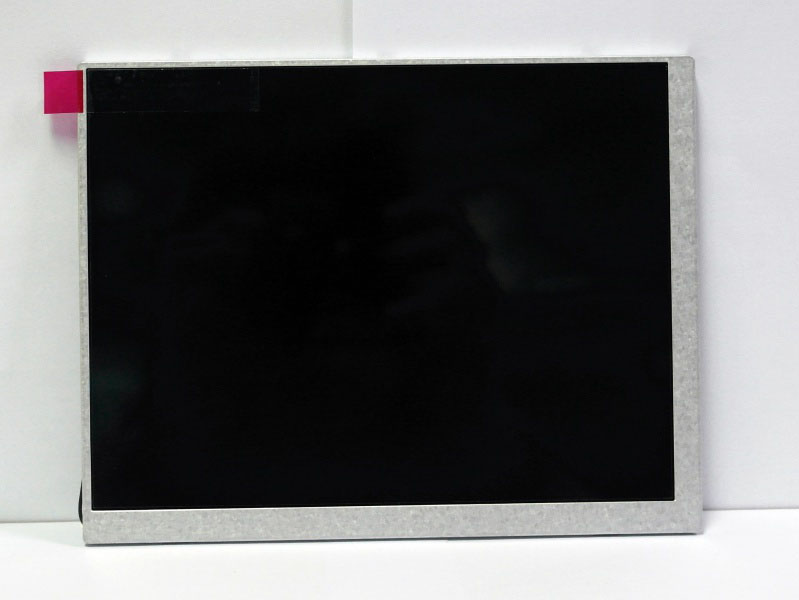
The AA070MC11 is more than just a glass panel; it is a fully integrated LCD module. At its heart lies a TFT-LCD (Thin-Film Transistor Liquid Crystal Display) matrix with 800 horizontal and 480 vertical pixels. This WVGA format provides a balanced aspect ratio suitable for a wide range of graphical user interfaces and video content. The module incorporates a dedicated LCD controller/driver IC, which is responsible for converting incoming video signals into precise electrical charges for each pixel, ensuring accurate image rendering.
Additionally, a critical component is the backlight unit, typically employing LED arrays. This unit is responsible for the screen's luminance and uniformity. The module also includes essential peripheral circuitry such as a power supply circuit, which regulates the various voltage levels required by the TFT layer and the controller. This integrated design simplifies the engineering process for OEMs, as the complex tasks of timing control, signal conversion, and backlight driving are handled within the module itself, reducing development time and complexity.
Interface Protocols and System Integration
Seamless integration into a host system is paramount. The AA070MC11 commonly supports standard parallel RGB interfaces, such as the 24-bit RGB or 18-bit RGB interface, which transmit color and synchronization data directly from a host processor or FPGA. This makes it highly compatible with numerous embedded chipsets. Some variants may also offer LVDS (Low-Voltage Differential Signaling) interfaces, which are favored for their robustness against electromagnetic interference, especially in noisy industrial environments or over longer cable runs.
Understanding the pinout and timing requirements of these interfaces is crucial for a stable display. Designers must ensure their mainboard's display controller can output a signal matching the module's native resolution and timing parameters (like pixel clock, horizontal/vertical sync pulses). Furthermore, the module requires specific power rails, often including a logic voltage (e.g., 3.3V) and a higher voltage for the LED backlight, which may need a dedicated constant-current driver. Proper integration hinges on meticulous schematic and PCB layout design around these electrical and signaling specifications.
Optical Performance and Environmental Readability
The usability of a display is directly tied to its optical characteristics. The AA070MC11 module typically offers a brightness specification in the range of 300 to 500 nits (cd/m²), making it viewable under normal indoor lighting. Its contrast ratio defines the depth between blacks and whites, impacting text and image clarity. A key feature for industrial applications is the viewing angle, usually specified using the IPS (In-Plane Switching) or similar wide-view technology, allowing for consistent color and contrast even when viewed from the side.
Environmental robustness is another consideration. Modules destined for challenging applications may feature enhanced specifications, such as a wider operating temperature range (e.g., -20°C to 70°C), which ensures functionality in unregulated environments. The surface of the screen may also include optical bonding or anti-glare treatments. Optical bonding fills the air gap between the LCD and the cover glass, reducing internal reflections and improving sunlight readability, while anti-glare coatings diffuse ambient light, minimizing reflections that can obscure the displayed content.
Typical Applications and Industry Use Cases
The 7-inch WVGA format of the AA070MC11 positions it as a versatile solution for human-machine interfaces (HMIs) where screen real estate is valuable but space is constrained. In industrial automation, it is frequently found on control panels for machinery, PLC interfaces, and monitoring systems, where its reliability and clear display of data and schematics are critical. The automotive aftermarket utilizes similar modules for in-dash navigation and entertainment systems, rear-seat displays, and diagnostic tools.
Beyond these, it serves in a multitude of consumer and commercial devices. This includes point-of-sale (POS) terminals, handheld test and measurement equipment, smart home control panels, and portable medical devices. The resolution is sufficient for displaying detailed icons, readable text, and basic graphics without imposing the higher cost and processing power demands of HD panels. Its prevalence across sectors is a testament to its balance of performance, size, and cost-effectiveness for embedded visual feedback.
Comparative Advantages and Design Considerations
Choosing the AA070MC11 involves weighing its advantages against other options. Its primary strengths are maturity and cost-effectiveness. As a well-established resolution and size, it benefits from widespread manufacturing, leading to competitive pricing and proven reliability. The 800x480 resolution requires less graphical processing power and memory bandwidth than higher-resolution displays, allowing for the use of more economical host microprocessors and reducing overall system cost.
However, designers must also consider its limitations. In an era moving toward higher pixel densities, WVGA may appear less sharp compared to HD (1280x720) or Full HD panels, especially for rendering very fine text or complex graphics. The physical dimensions of the module and its bezel must fit the product's industrial design. Furthermore, sourcing should be done from reputable suppliers to ensure consistent quality and long-term availability, which is crucial for products with multi-year lifecycles.
Sourcing, Customization, and Lifecycle Management
Procuring the AA070MC11 module requires strategic planning. It is available through various electronics distributors and directly from manufacturers or their authorized partners. When sourcing, verifying the data sheet revision and ensuring it matches the required interface, brightness, and temperature specs is essential. For high-volume projects, engaging directly with a manufacturer can open discussions around potential customizations.
Customizations can include modifications to the backlight brightness, adjustment of the operating temperature range, changes to the connector type or pinout, or the integration of a resistive or capacitive touch panel overlay. Another critical aspect is lifecycle management. Display panels can be subject to component end-of-life (EOL) notices. For products expected to be in production for many years, it is prudent to discuss long-term supply agreements or identify alternative, pin-compatible modules from the supplier to mitigate future supply chain risks.
Frequently Asked Questions (FAQs)
Q1: What is the exact resolution of the AA070MC11 LCD module?A1: It has a resolution of 800 pixels horizontally by 480 pixels vertically, commonly known as WVGA.
Q2: What type of interface does this module use?A2: It typically uses a parallel RGB interface (e.g., 24-bit or 18-bit) or sometimes an LVDS interface, depending on the specific variant.
Q3: Is the AA070MC11 module compatible with a Raspberry Pi?A3: Yes, but usually not directly. It often requires an intermediate controller board or "driver board" that converts the Pi's HDMI or DSI signal to the module's RGB/LVDS interface.
Q4: Does it include a touch screen?A4: The standard AA070MC11 is a display-only module. Touch functionality (resistive or capacitive) is typically available as an add-on option or a customized version.
Q5: What is the typical brightness level?A5: Brightness commonly ranges from 300 to 500 nits, suitable for indoor use. Higher-brightness options may be available for sunlight-readable applications.
Q6: What are the common applications for this display?A6: It's widely used in industrial HMIs, automotive displays, POS systems, medical devices, and portable instrumentation.
Q7: What is the operating voltage?A7: The logic interface usually runs on 3.3V, while the LED backlight requires a higher voltage (e.g., 12V or 24V) and is often driven by a constant-current circuit.
Q8: What does "AA070MC11" signify?A8: This is likely the manufacturer's part number/model name, where "AA" may indicate a series, "070" denotes a 7-inch diagonal, and "MC11" specifies the revision or variant.
Q9: Can I use this module outdoors?A9: Standard versions are for indoor use. For outdoor or bright ambient light use, seek variants with high-brightness backlights (700+ nits) and optical bonding.
Q10: Where can I find the technical datasheet?A10: Datasheets can be requested from authorized distributors or the manufacturer's official website. Ensure you have the exact model number.
Conclusion
The 7-inch AA070MC11 LCD module, with its 800x480 resolution, represents a cornerstone component in the embedded display landscape. Its value lies not in being the highest-resolution option, but in offering a proven, reliable, and cost-optimized solution for a vast array of applications. From its integrated technical architecture and standard interfaces to its balanced optical performance, it simplifies the design-in process for engineers seeking a dependable visual interface.
Successful implementation requires a holistic view, considering integration parameters, environmental demands, and long-term supply chain strategy. By thoroughly evaluating its specifications against project requirements—be it for an industrial control panel, a vehicle telematics system, or a handheld device—developers can leverage the strengths of this mature display technology to create robust and user-friendly products. In a world of rapidly evolving display tech, the AA070MC11 stands as a testament to the enduring relevance of well-executed, fundamental engineering.





