















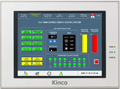
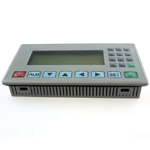




- Industrie-LCD-Display
-
Industrial Products
- DC Servo Drive
- AC Servo Drive
- PCB
- Siemens
- Switch Sensor
- Näherungsschalter
- Temperaturregler
- Schutzrelais
- Fiber Optic Sensor
- Encoder
- Fan
- other
- Heidelberg
- MITSUBISHI
- FANUC
- Siemens adapter
- Fujitsu connector
- Der Aufsichtsrat
- Board
- Contactor
- Circuit
- Omron
- Relais.
- Motortreiber
- power supply
- Cable
- Transformator
- HMI Touch-Glas
-
HMI-Vollautomat Ganze Einheit
- OMRON HMI Touch Panel
- Siemens HMI Touch Panel
- Mitsubishi HMI Touch Panel
- Allen-Bradley Automatisierung HMI Touch
- DELTA HMI Touch Panel
- EVIEW DELTA HMI Touch Panel
- KINCO DELTA HMI Touch Panel
- HITECH HMI Touch Panel
- WEINTECK HMI Touch Panel
- TECVIEW HMI Touch Panel
- WEINVIEW HMI Touch Panel
- PANASONIC HMI Touch Panel
- KYOCERA HMI Touch Panel
- SCHNEIDER HMI Touch Panel
- Module
- LCD Wechselrichter
- Membran Tastenfeld Schalter
- Winni Touch Screens
- Frequenzumrichter
- Servo Motor
- PLC
In the intricate world of electronic components, where functionality often trumps form, the display module serves as the critical bridge between machine and user. Among the myriad of options available to engineers and product developers, the LQ042T5DZ13K 4.2" LCD display module emerges as a noteworthy candidate for a wide range of embedded applications. This article delves into a comprehensive analysis of this specific module, moving beyond basic datasheet specifications to explore its real-world implications, architectural strengths, and optimal use cases.
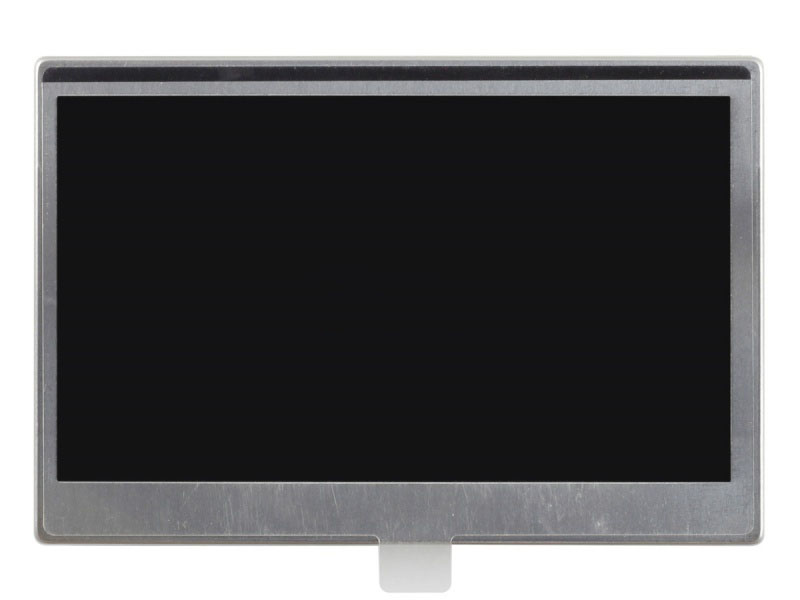
We will dissect the technology that powers its visual performance, examine the interfaces that enable seamless integration, and consider the environmental robustness it offers. Furthermore, we will contextualize its position within the competitive landscape and provide practical guidance for implementation. This deep dive aims to equip hardware designers, product managers, and procurement specialists with the nuanced understanding required to evaluate whether the LQ042T5DZ13K is the optimal visual interface for their next innovation, from portable medical devices and industrial handhelds to advanced consumer electronics.
Core Architecture and Technological Breakdown
At its heart, the LQ042T5DZ13K is a TFT (Thin-Film Transistor) LCD module with a diagonal screen size of 4.2 inches. The resolution is a defining characteristic, typically 480 x 272 pixels (WVGA). This pixel density strikes a deliberate balance, offering clear, legible graphics and text without imposing excessive processing load on the system's controller, which is crucial for battery-powered or cost-sensitive devices.
The module incorporates a RGB interface, a parallel digital interface that transmits red, green, and blue data for each pixel directly. This method provides high-fidelity color control and fast refresh rates, making it suitable for dynamic content. Internally, the module includes the TFT panel, a driver IC, a LED backlight unit, and often a touch panel overlay (typically resistive or capacitive). The integration of these components into a single, pre-assembled module significantly reduces development complexity and manufacturing risk for the end-product manufacturer.
Interface Protocols and System Integration
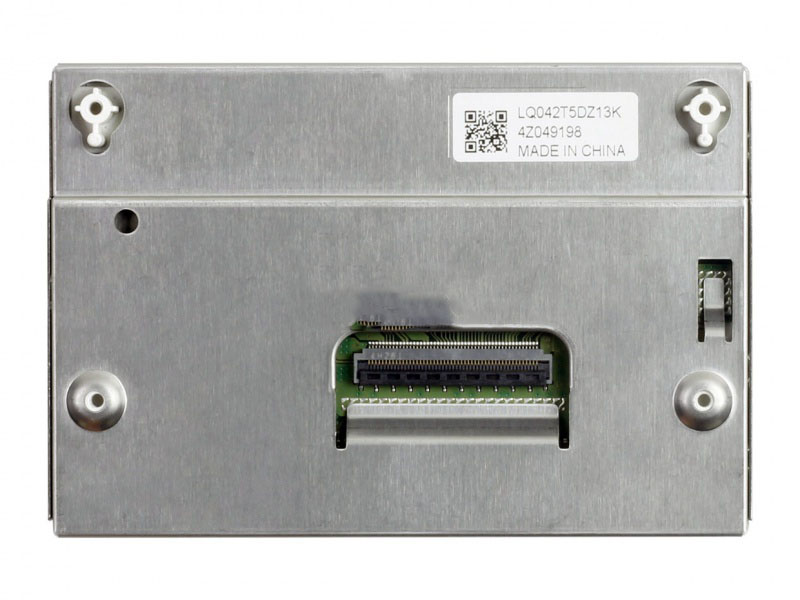
Successful integration hinges on understanding the communication pathway. The LQ042T5DZ13K's parallel RGB interface requires a microcontroller or microprocessor with a corresponding LCD controller peripheral. This interface uses multiple data lines (e.g., 16-bit or 24-bit for color depth), along with control signals like horizontal sync (HSYNC), vertical sync (VSYNC), data enable (DE), and pixel clock (PCLK).
Designers must ensure their host processor can generate these signals at the correct timings, which are defined in the module's datasheet. Furthermore, the module requires precise power sequencing for the logic, analog, and backlight voltages to prevent latent damage. Proper integration involves careful PCB layout to minimize signal integrity issues on these high-speed parallel lines. While this interface demands more processor pins than a serial interface, it delivers superior performance, a key trade-off in the design process.
Performance Characteristics: Brightness, Contrast, and Viewing Angles
Beyond resolution, the visual quality is governed by several key parameters. The module's brightness, measured in nits (cd/m²), determines its usability under various ambient lighting conditions. A specification of several hundred nits is common, ensuring visibility in indoor environments. Contrast ratio defines the difference between the darkest black and the brightest white, impacting perceived depth and image richness.
Modern TFT modules like this one offer wide viewing angles, often cited as 80/80/80/80 (Left/Right/Up/Down) degrees at a defined contrast ratio. This ensures the display content remains consistent and color-stable even when viewed from off-angles, a critical feature for devices used in collaborative settings or handheld at different orientations. The color gamut defines the range of colors the display can reproduce, influencing the vibrancy and accuracy of the presented imagery.
Ruggedness and Environmental Suitability
If equipped with a touch panel, its durability—be it the scratch resistance of a capacitive glass surface or the pressure tolerance of a resistive film—becomes a key factor. The module may also feature an optical bonding option, where the air gap between the LCD and the cover lens is filled with a clear resin. This process enhances readability by reducing internal reflection, strengthens the mechanical stack, and prevents condensation, making it ideal for demanding medical or outdoor applications.
Comparative Analysis and Market Positioning
When compared to OLED alternatives, it offers advantages in cost-effectiveness, longer lifespan (without risk of burn-in), and potentially higher brightness in direct sunlight. Against other TFT modules, its value proposition lies in the specific combination of its proven RGB interface, reliable supply chain, and a form factor that fits established industrial design paradigms. It is a module chosen for proven performance and integration ease rather than cutting-edge, consumer-grade specs.
Implementation Best Practices and Design Considerations
Software development involves initializing the host processor's LCD controller with the exact timing parameters from the datasheet and writing to the display's frame buffer. Utilizing a graphics library can abstract lower-level commands and simplify the creation of user interface elements. Finally, mechanical design must account for the module's exact footprint, connector placement, and a secure mounting method that does not stress the glass, while also ensuring the bezel design accommodates any required viewing angle.
FAQs: LQ042T5DZ13K 4.2" LCD Display Module
10. Where can I find the crucial timing parameters for integration?All critical parameters (vertical/horizontal timing, clock frequency, etc.) are detailed in the module's official datasheet, which is essential for design.
Conclusion
The LQ042T5DZ13K 4.2" LCD display module represents a mature, reliable, and highly capable solution for a vast array of embedded systems. Its value lies not in pushing the boundaries of consumer display technology, but in delivering consistent performance, straightforward integration, and proven ruggedness in challenging environments. By understanding its core architecture, interface requirements, and visual performance characteristics, engineers can make an informed decision on its applicability.





